




Black Voices: News, Culture & Community from Across the Nation
- Maxine Waters championed affirmative action during 14 years in the California State Legislature, expanding contracting and economic opportunities.
- Maxine Waters advocated globally on human rights, opposing apartheid and promoting humanitarian support for Haiti and Caribbean communities.
- Maxine Waters became first woman and first African American chair of the House Financial Services Committee, pushing consumer protections and holding Wall Street accountable.
- Maxine Waters spearheaded housing justice as a key architect of the Neighborhood Stabilization Program, securing billions to combat foreclosures and blight.
- Maxine Waters became a cultural icon; her reclaiming my time moment energized younger voters and emphasized accountability against political extremism.
James C. Luckey, Jr., Publisher/Editor
Observer Group Newspapers of Southern California, Inc.
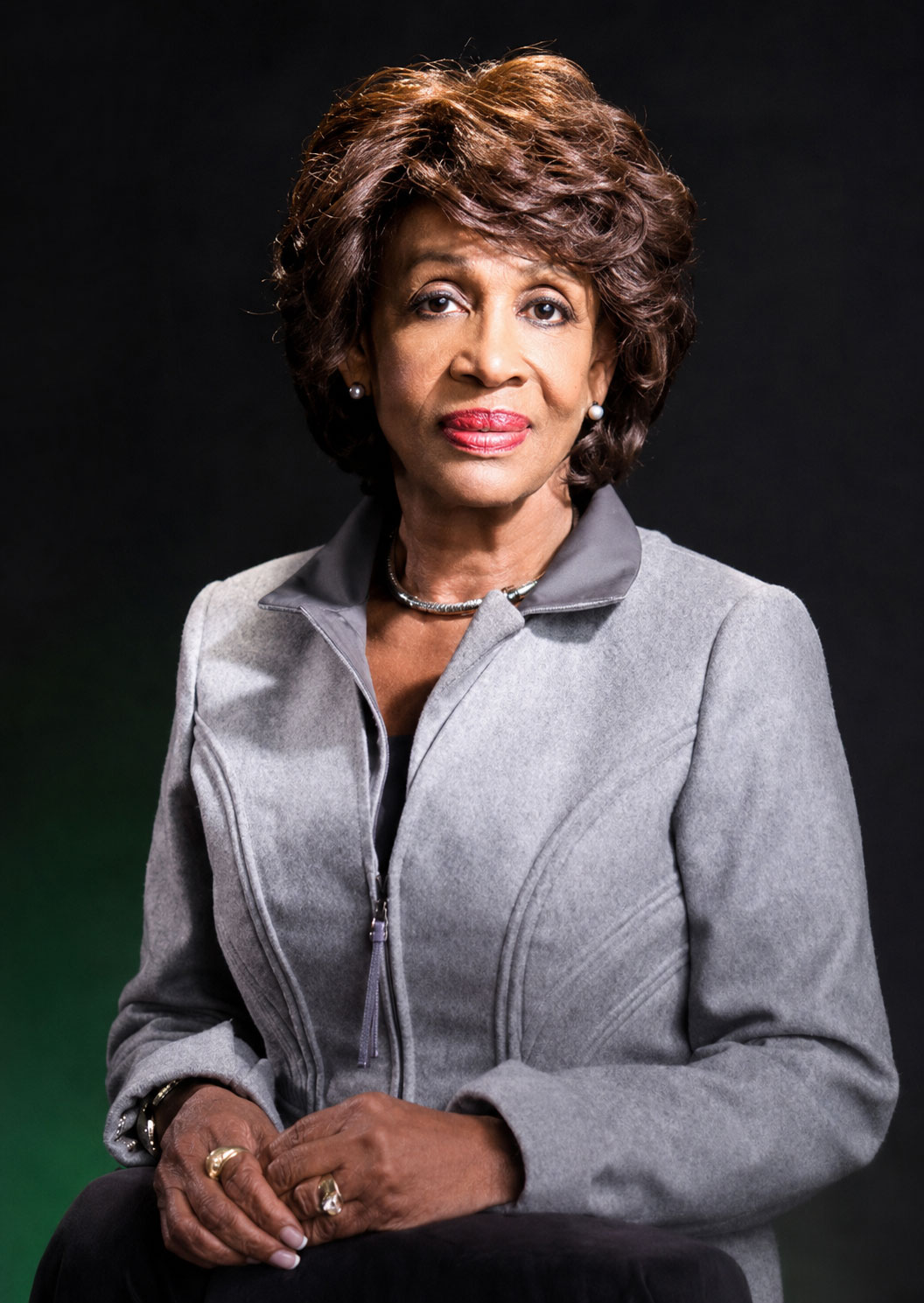
For decades, Congresswoman Maxine Waters has stood as one of the most recognizable and unapologetic voices in American politics — a leader many across Los Angeles County and beyond affectionately call “Auntie Maxine.”
As she once again seeks reelection, supporters throughout communities including South Los Angeles, Compton, Inglewood, Torrance and neighboring areas continue reflecting on a political career built on advocacy, accountability and an unwavering commitment to Black and Brown communities, working families and those too often left behind in Washington.
Long before she became a national political figure, Waters was already fighting for equity in California. During her 14 years in the California State Legislature, she championed affirmative action policies aimed at expanding opportunities for Black and Brown communities, women and historically excluded groups. Supporters say many of those efforts mirrored what would later become known nationally as diversity, equity and inclusion initiatives.
Her work helped expand access to contracting opportunities, employment and economic mobility at a time when many systemic barriers remained firmly in place.
Waters also emerged as a strong international voice on human rights issues, including the global fight against apartheid in South Africa. Over the years, she has additionally advocated for humanitarian support and policy attention involving Haiti and Caribbean communities, efforts supporters say reflected her broader commitment to Black communities and underserved populations worldwide.
But it was in Congress where Waters would become one of the nation’s most influential advocates on economic justice and financial accountability.
Since arriving in Congress in 1991 and joining the House Financial Services Committee, Waters has built a national reputation as a fearless and outspoken advocate for women, children, Black and Brown communities, seniors and low-income families. Through her leadership roles on the committee, she has consistently pushed for stronger protections for consumers, investors, small businesses and vulnerable populations often overlooked in national economic policy debates.
Over the years, she developed deep expertise in financial services and banking policy, often challenging Wall Street firms and major corporations over predatory lending and abusive financial practices that disproportionately impacted working-class communities.
In a historic move, House Democrats selected Waters to become the first woman and first African American to chair the powerful House Financial Services Committee — a milestone that reflected decades of leadership on consumer protection, housing and economic justice issues.
At the time, Waters said her priorities included protecting consumers from abusive financial practices, expanding affordable housing opportunities, addressing homelessness and ensuring underserved communities had fair access to the financial system.
That leadership became especially important during periods of economic uncertainty, housing instability and widening racial wealth gaps.
Among Waters’ most notable accomplishments was her work during the nation’s housing and foreclosure crisis, where she pushed aggressively for protections aimed at keeping families in their homes. She played a key role in creating the Neighborhood Stabilization Program, which provided billions in grants to states, local governments and nonprofit organizations to combat foreclosures, abandoned properties and neighborhood blight. Through multiple rounds of funding, Waters helped secure approximately $6 billion for the program, helping stabilize communities hit hardest by the economic downturn.
Housing justice has remained one of Waters’ defining priorities throughout her career. Beyond foreclosure prevention, she has consistently introduced and supported legislation aimed at helping vulnerable populations secure stable housing and economic security.
Her legislative efforts included the Ending Homelessness Act, which focused on expanding affordable housing opportunities nationwide, as well as legislation aimed at increasing housing assistance for foster youth transitioning into adulthood.
Waters also championed protections for military service members through consumer protection legislation designed to shield troops and their families from predatory financial practices. In addition, she advocated for reforms intended to help senior citizens avoid foreclosure and remain safely in their homes.
Supporters say those priorities reflect Waters’ longstanding focus on communities too often overlooked in larger political debates — including low-income families, seniors, foster youth, veterans and working-class Black and Brown communities.
While Waters is widely known for her outspoken political style, supporters also point to her effectiveness as a legislator. Over the years, she played key roles in advancing bipartisan measures involving flood insurance reform, community lender relief, terrorism risk insurance and economic investment protections.
Waters’ influence has also extended far beyond Capitol Hill. While she has long been recognized for her outspoken advocacy and willingness to challenge those in power, the rise of social media introduced her leadership style to a younger generation of Americans who affectionately embraced her as “Auntie Maxine.”
Moments such as her now-famous insistence on “reclaiming my time” during congressional hearings became cultural touchstones online, particularly among millennials and younger Black and Brown voters who saw in Waters a fearless voice unwilling to be silenced.
Her unapologetic approach to confronting political opponents and demanding accountability helped transform her into both a respected legislator and a multigenerational political icon.
Waters has also remained one of the most outspoken critics of political extremism and attacks on democratic institutions. She was among the earliest members of Congress to publicly call for accountability during the Trump administration and has consistently spoken out against racism, voter suppression and economic inequality.
Still, throughout communities stretching from South Los Angeles to Compton, Inglewood, Torrance and neighboring areas, many residents see Waters not as a celebrity politician, but as a familiar and dependable advocate who has spent decades fighting for resources, housing, jobs and dignity for underserved communities.
From organizing against apartheid to confronting Wall Street and advocating for renters, workers, seniors and vulnerable families, Waters’ political journey has remained rooted in community-centered leadership.
For many voters throughout her district, her legacy is measured not simply by headlines or television appearances, but by a lifetime of showing up, speaking out and continuing the fight for those whose voices are too often ignored.
Read the full article on the original publication
