




Savannah State Update:
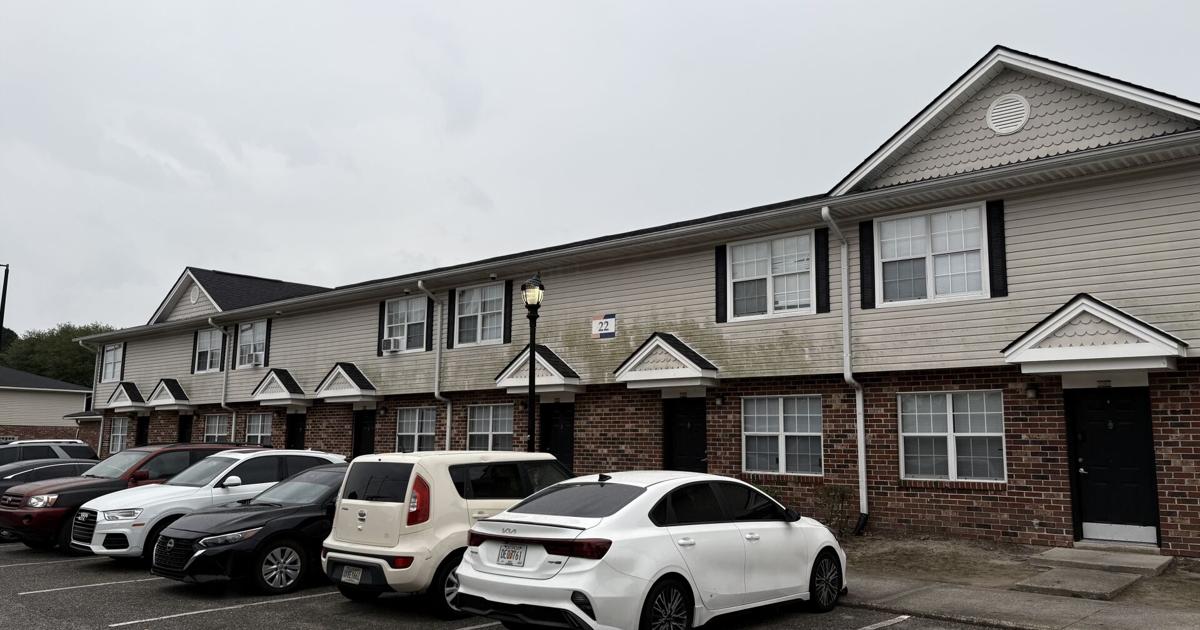
- Students report mold, pests, and AC problems in Savannah State housing, including University Village and University Commons.
- Outdated classrooms, furniture, and limited technology in Drew-Griffith Hall impede instruction and student productivity.
- Nicholas Silberg and students say limited maintenance staff causes slow repairs and reactive upkeep across campus buildings.
- Savannah State renovations hinge on funding and administration; student advocacy is essential to secure upgrades and boost enrollment.

At Savannah State University, students take pride in their school’s culture, history, and community. From campus events to classroom experiences, many describe Savannah State as a place that feels like home. However, behind that strong sense of pride, some students are beginning to raise concerns about the physical condition of campus buildings.
As higher education continues to evolve, students expect college campuses to reflect more modern standards. Updated dorms, classrooms, and student spaces are often seen as essential to both comfort and academic success. At Savannah State, conversations about renovations and maintenance have become more common, with students and faculty pointing out areas where improvements could make a difference.
Laniya Davis, a student at Savannah State, shared her concerns about the condition of campus buildings. She described them as “old, moldy, and can use an upgrade.” Although she said the campus environment met her expectations socially, she explained that it “doesn’t match my expectations as a modern-day campus.”
Davis also emphasized how campus appearance can impact enrollment. “Other schools have more modern renovations and it will affect the amount of future student intake,” she said. “Students will rather go to a more upgraded school than a school that looks its age.”
Shayla Harris, a graduating senior at Savannah State, shared a similar perspective. “Some buildings are okay, but a lot of them are definitely outdated,” she said. “When people tour campuses, appearance matters. It’s one of the first things they notice.”
Both Davis and Harris agreed that improving campus facilities could positively affect student success. Davis explained that renovations would “give them a better environment to feel more productive throughout their day and want to explore the campus more.” Harris added, “If students are comfortable and have better resources, they’re more likely to stay focused and motivated.”
Maintenance issues were another major concern. Davis shared her personal experience, saying, “My apartment in the University Village apartments has mold in it and air conditioning issues.” She also mentioned problems she has seen across campus, including pest issues and structural damage. “In other buildings, a girl I know had roaches. Also, in the University Commons, the roof caved in one of the apartments,” she said.
Harris noted that even when problems are reported, they are not always resolved quickly. “I’ve had issues with maintenance requests taking a long time to get fixed,” she said. “It can be frustrating when it affects your living space.”
Classroom conditions also came up during the interviews. As a biology major, Davis said her classes in Drew-Griffith Hall “feel outdated because of the chairs and the boards.” She added, “Sometimes it’s hard to see and it’s not enough room to work with. I am thankful for the space, however it can be better.” Harris agreed, saying, “Some technology works, but the overall setup and furniture could definitely be improved.”

Kennedy Fine Art Center SSU
Nicholas Silberg, Department Chairperson of Fine Arts, Humanities and Wellness/Full Professor of Art, a faculty member at Savannah State, offered additional insight and explained that many of the issues stem from limited resources. “The buildings need constant upkeep and constant maintenance,” he said. “I think sometimes we get into a situation where we are reactive rather than preventative. I feel we don’t have enough people in maintenance to cover all the things that need to be fixed.”
He also pointed out that funding plays a major role in whether renovations can happen. “When we’re talking about up keeping buildings, that costs money. So where is the money going to come from if we renovate buildings?”
According to Silberg, these conditions can directly impact both teaching and learning. “Instead of faculty focusing on students, they’re having to focus on maintenance work orders,” he said. “If we had buildings that didn’t need as much maintenance, I think you would see an improvement in student success.”
Despite the concerns, he reassured that the issue is being discussed at higher levels. “I assure you that this is on the mind of administration,” he said. “Everybody wants the best for this institution… but if we don’t advocate and say this is what we want, no one will ever know.”
Overall, students and faculty agree that while Savannah State provides a strong academic and cultural environment, improvements to campus facilities could make a major difference.
From dorm conditions to classroom spaces, renovations could not only improve daily life for current students but also help attract future Tigers.
Looking ahead, the future of campus renovations will likely depend on a combination of funding, administrative priorities, and student advocacy. While some improvements are already being discussed, many students believe that consistent attention to maintenance and long-term planning will be key to creating a more updated and comfortable campus environment.
As conversations continue, one thing remains clear: students care deeply about their university and want to see it grow. By voicing their concerns and pushing for change, they are helping shape the future of Savannah State University, one that reflects both its strong legacy and its potential moving forward.
Read more on the original source
