




Global Black Voices: News from around the World
- Surge signals a strong nesting season at Las Cuevas Beach and other sites across Trinidad and Tobago.
- Ecologists view the increase positively but warn Leatherback turtles still face habitat loss, pollution, and human disturbance.
- Authorities, including the Ministry of Trade, Investment and Tourism, urge visitors to keep distance, avoid artificial light and follow guides.
- Locals on social media urge stronger protections, including temporary beach closure, no driving, use of red light, and avoiding dunes.
Ecologists say the surge signals a strong nesting season, as authorities urge visitors to protect turtles by keeping distance and avoiding artificial light.
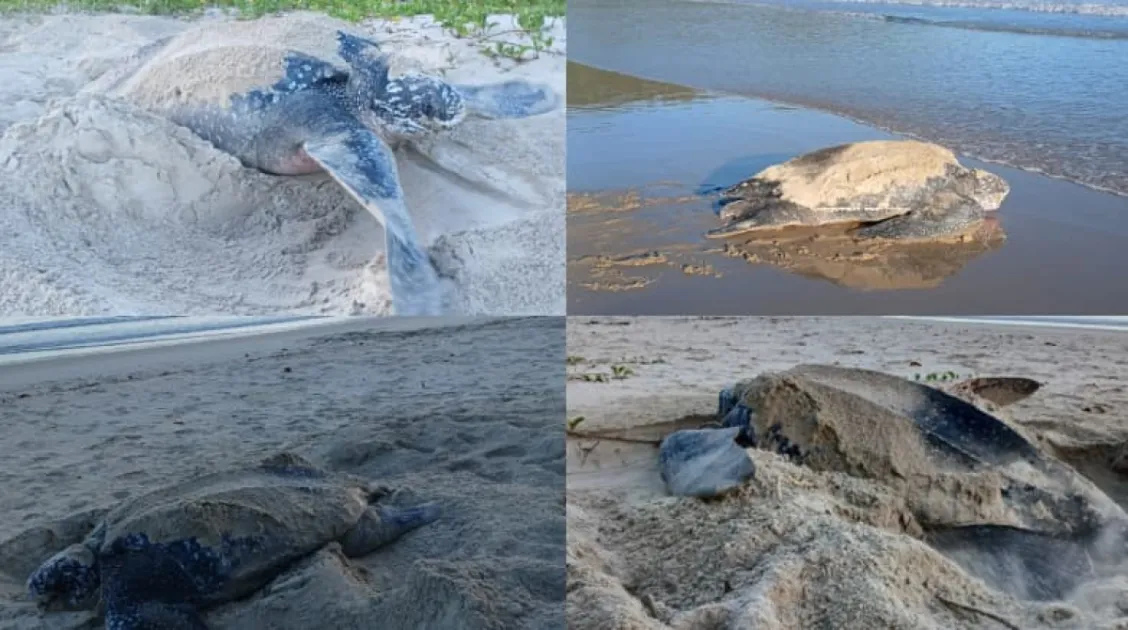
Trinidad and Tobago: Las Cuevas Beach is experiencing an increase in nesting activity, as over 300 Leatherback turtles have arrived on shore in the past week. This brought the season total to over 1,300 on the beach.
This sudden increase indicates a very strong nesting season for the species, as similar patterns are seen at the other nesting grounds in Trinidad and Tobago. Some of the key sites are Grande Riviere, Matura Bay, Fish pond in Trinidad, and Turtle Beach in Tobago.
Similar activity is being observed at other nesting sites across Trinidad and Tobago. This is an important period for the species, and continued care and respect are essential, stated the Ministry of Trade, Investment and Tourism.
Ecologists are viewing this as a positive development for the species, struggling against habitat loss, pollution and human disturbance.
Las Cuevas Beach has been a key nesting site for a long time. The recent increase in activity reinforces its role in the survival of these turtles which travel thousands of kilometers to return to their birth shores.
Visitors are asked to act responsible during this important period. Authorities are advising them to keep a safe distance from the turtles, to not use artificial light and flash photography, and to follow the instructions of the on-site guides.
Other steps that can be taken by the visitors include the use of red light, no beach driving, avoid walking on dunes, and wearing dark clothes.
Locals have taken to social media to urge for better protective measures for the species. Lynn Seepersad said, “They should close d beach for now because of d amount of turtles coming to lay,” while Richard Frederick stated, “I so hope that the residents are aware and are taking steps to protect the nesting sites.”
Read the full story from the original publication
