




Aging Well: News & Insights for Seniors and Caregivers
- Cooking from scratch at least once weekly tied to 23% lower dementia risk in men, 27% in women.
- For novice cooks with few culinary skills, cooking at least once weekly linked to 67% lower dementia risk.
- Meal preparation provides physical activity and cognitive stimulation, supporting cognitive reserve in older adults.
- Japanese study of 10,978 adults 65+, from the Japan Gerontological Evaluation Study, followed six years, published in the Journal of Epidemiology & Community Health.
- Observational design prevents causal claims; mild dementia excluded, cooking-skill measures imperfect, and results may not generalize across cultures.
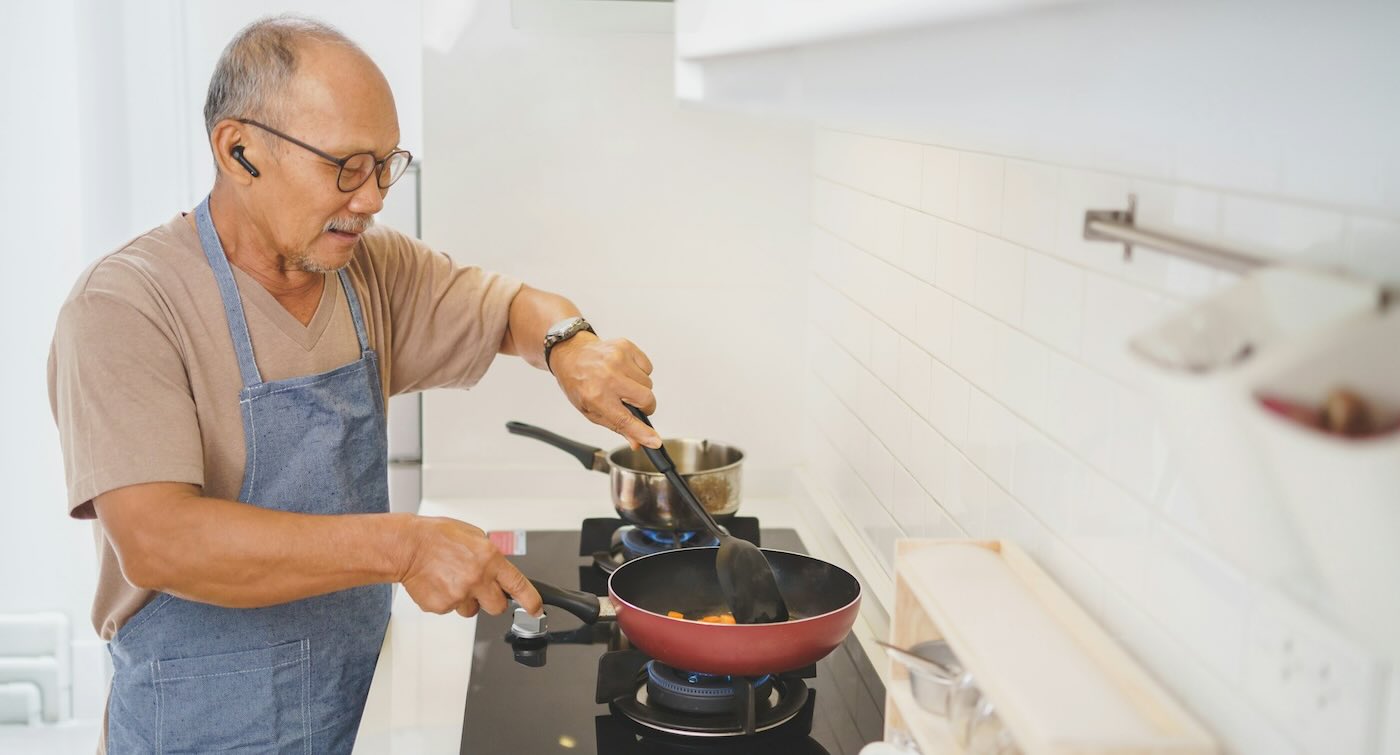
Preparing a home cooked meal at least once a week may cut the risk of dementia for seniors by 30%.
And the risk may be 70% lower in novice cooks with few culinary skills, suggested the study published in March in the Journal of Epidemiology & Community Health.
Over the past few decades, people have increasingly come to rely on restaurants, takeout, and frozen food rather than cooking their meals at home, said the Japanese researchers.
But, for older people, meal preparation is not only an important source of physical activity, but also cognitive stimulus.
As such, they wanted to find out if the frequency of home cooking might be associated with the incidence of dementia and if this might depend on the level of cooking skills.
They analyzed 10,978 participants age 65 and over, from the Japan Gerontological Evaluation Study, whose cognitive health was tracked for 6 years up to 2022.
20% of participants were over 80—with more than half retired—and 50% were women. A third had fewer than 9 years of education, and 40% had an annual income of less than $12,500 (under £10,000).
Participants filled in questionnaires on how often they cooked meals from scratch at home, ranging from never to more than 5 times a week, as well as the extent of their culinary competence. This was assessed on 7 skills, ranging from the ability/inability to peel fruit and vegetables to the ability/inability to make stews.
RELATED: Taking a Cooking Course Has Magic Pill-Like Effects on Mental and Physical Well-Being
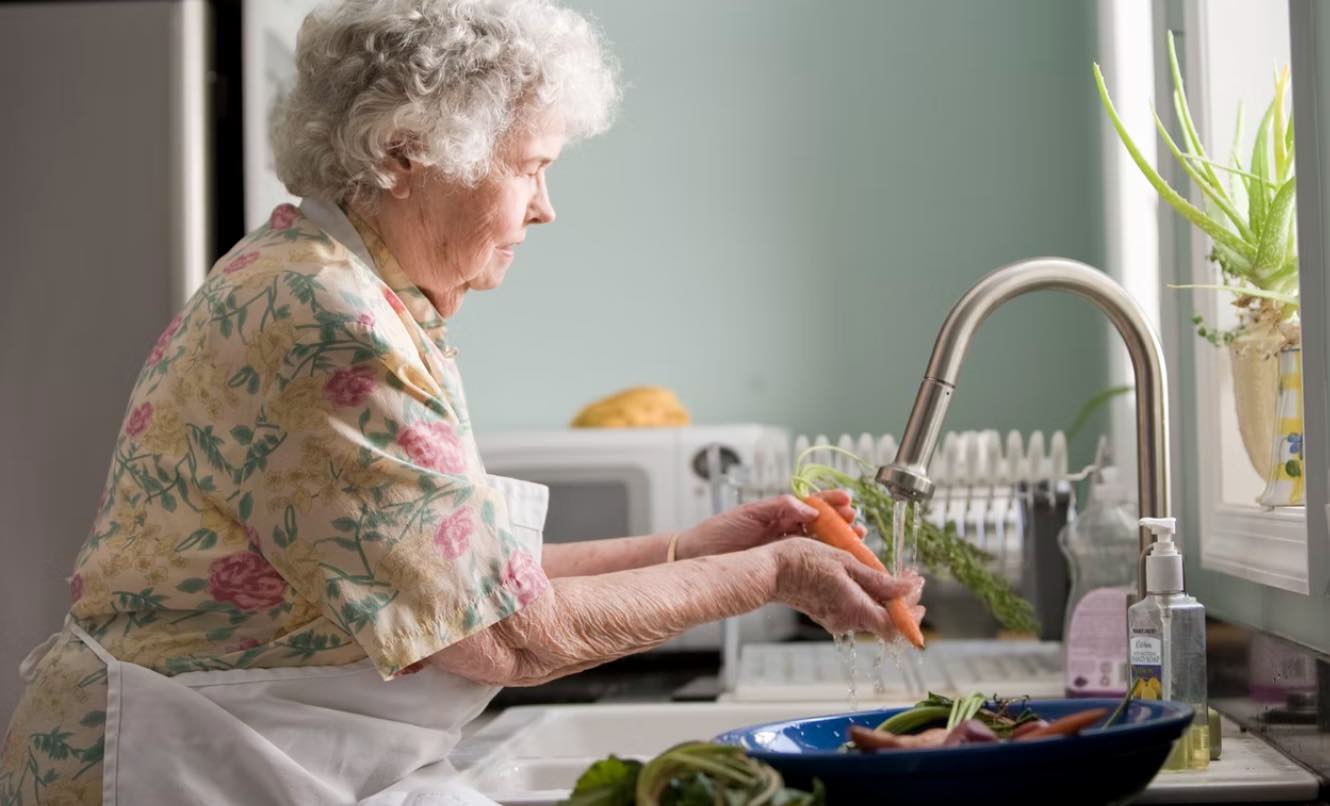
Around half of the participants cooked at least five times a week, while more than a quarter didn’t. Women and those who were experienced cooks tended to cook more meals at home than men, and more often than inexperienced cooks.
Cases of dementia were defined as functionally significant cognitive impairment requiring care.
Analysis of the data showed that greater cooking frequency was associated with a lower risk of dementia in both men and women, but differed according to the extent of culinary competency.
Cooking from scratch at least once a week was associated with a 23% lower risk of dementia in men, and a 27% lower risk in women, than cooking less than once a week.
And for those with few cooking skills, cooking a meal from scratch at least once a week was associated with a 67% reduction in the risk of dementia. (While a high degree of culinary competency was associated with a lower risk of dementia, the number of cooking sessions per week didn’t reduce the risk of dementia further.)
WANT TO UP YOUR NUTRITION GAME?
• Seniors Who Eat More Meat Are Less Likely to Develop Dementia Study Finds
• Never Too Late to Start Eating the MIND Diet That May Prevent Dementia: New Study of 90,000 People
These findings held true after accounting for potentially influential factors, such as lifestyle, household income, and years of education, and they were independent of other activities positively associated with cognitive reserve, such as crafting, volunteering, and gardening.
This is an observational study, and as such, no firm conclusions can be drawn about cause and effect. Also notable, cases of mild dementia were not included and the classification of cooking skills may not have differentiated between those cooking simple meals—because they didn’t like cooking—and those unable to cook.
Researchers also noted the findings may not apply worldwide because the exact food eaten, and how it is prepared, vary from culture to culture.
CHEESEHEADS UNITE: Cheese May Help Stave Off Dementia Suggests Study of 27k People Followed Over 25 Years
Nevertheless, they concluded: “Creating an environment where people can cook meals when they are older may be important for the prevention of dementia.”
URGE SENIORS TO COOK By Sharing This on Social Media…
Read the full article on the original source
