




Aging Well: News & Insights for Seniors and Caregivers
- Follow prescribed medications and oxygen therapy for COPD; caregivers provide reminders and ensure correct inhaler use.
- Maintain clean indoor air: keep home free of dust, avoid smoking, limit strong fragrances, and use air purifiers regularly.
- Stay active with gentle movement: do light, tailored activities to improve lung function and strength; consult healthcare or Always Best Care caregivers for guidance.
- Watch for worsening signs: increased shortness of breath, changed mucus color, fever, or confusion; seek prompt medical attention.
Chronic Obstructive Pulmonary Disease, commonly known as COPD, is a long-term respiratory condition that affects millions of older adults. It can make breathing difficult, limit physical activity, and impact overall quality of life. While COPD is a progressive condition, the right care and daily habits can help seniors manage symptoms and continue living comfortably at home.
For families, understanding COPD and knowing how to support a loved one can make a meaningful difference. With proper management and the help of in-home care, seniors can maintain independence while staying safe and supported.
What Is COPD?
COPD is a group of lung diseases that block airflow and make it harder to breathe. The most common forms are chronic bronchitis and emphysema. Over time, COPD can reduce oxygen levels in the body and make even simple tasks feel exhausting.
Common symptoms include:
- Shortness of breath, especially during activity
- Chronic coughing or wheezing
- Chest tightness
- Frequent respiratory infections
- Fatigue or low energy
Because symptoms can worsen gradually, they are sometimes mistaken for normal aging. Early recognition and ongoing management are key to improving quality of life.
Managing COPD at Home
Although COPD cannot be cured, it can be managed effectively with a combination of medical care and lifestyle adjustments. Creating a supportive home environment is an important part of that process.
Follow Medication and Treatment Plans
Seniors with COPD are often prescribed inhalers, medications, or oxygen therapy to help manage symptoms. Taking medications consistently and using equipment correctly is essential.
Caregivers can help by providing reminders and ensuring that medications are taken as directed.
Maintain Good Air Quality
Clean air is critical for individuals with COPD. Reducing irritants in the home can help minimize flare-ups.
Helpful steps include:
- Keeping the home free of dust and allergens
- Avoiding smoking and secondhand smoke
- Limiting exposure to strong cleaning products or fragrances
- Using air purifiers and changing filters regularly
A clean, well-ventilated environment makes breathing easier and more comfortable.
Stay Active with Gentle Movement
While physical activity may feel challenging, regular movement can actually improve lung function and overall strength. Seniors should focus on light, manageable activities such as:
Activity should always be tailored to the individual’s abilities and done with proper guidance.
Practice Breathing Techniques
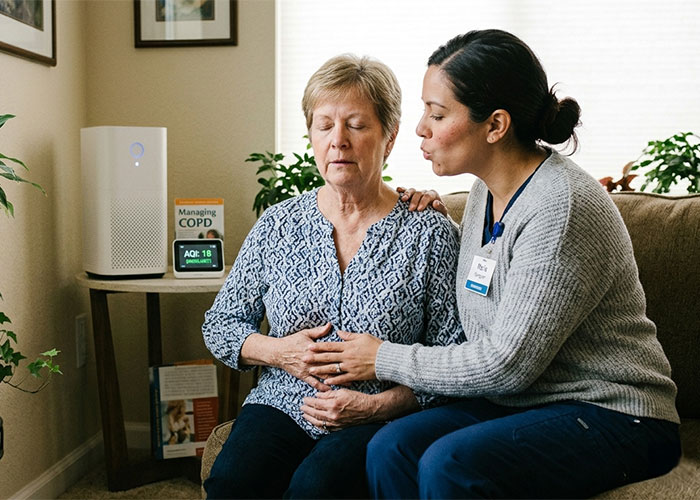
Breathing exercises can help seniors better manage shortness of breath. Techniques such as pursed-lip breathing and diaphragmatic breathing can improve oxygen flow and reduce anxiety during flare-ups.
These techniques are simple to learn and can be practiced daily.
Stay Hydrated and Eat Well
Proper nutrition supports overall health and helps the body function more efficiently. Drinking enough fluids can also help keep airways clear.
A balanced diet that includes fruits, vegetables, lean proteins, and whole grains can support both respiratory and cardiovascular health.
Recognizing When Symptoms Are Worsening
COPD symptoms can change over time. It is important for families and caregivers to watch for warning signs that may indicate a flare-up or complication.
Signs to watch for include:
- Increased shortness of breath
- Changes in mucus color or amount
- Fever or signs of infection
- Increased fatigue or confusion
- Difficulty performing usual activities
Prompt medical attention can help prevent more serious complications and reduce the need for hospitalization.
How Always Best Care Supports Seniors with COPD
Managing COPD can feel overwhelming, especially for seniors living alone or dealing with multiple health conditions. Always Best Care provides compassionate support that helps seniors maintain comfort and independence at home.
Our caregivers can assist with:
- Medication reminders and routine monitoring
- Light housekeeping to maintain clean air quality
- Meal preparation and hydration support
- Encouraging safe physical activity
- Providing companionship to reduce stress and anxiety
- Assisting with transportation to medical appointments
For those who require additional medical care, home health services can provide skilled nursing support and coordination with healthcare providers.
Helping Seniors Live Comfortably with COPD
Living with COPD presents challenges, but with the right care and support, seniors can continue to enjoy daily life in the comfort of their own home. Small adjustments, consistent routines, and a strong support system can make a meaningful difference in managing symptoms and improving overall well-being.
Families do not have to navigate COPD alone. With professional care and compassionate support, seniors can feel more confident, safe, and comfortable each day.
Supporting Better Breathing Every Day
If your loved one is living with COPD and needs extra support at home, Always Best Care is here to help.
Call Always Best Care today at (855) 470-2273 to schedule a care consultation and learn how our caregivers can support your loved one’s respiratory health and overall comfort at home.
Read the full article on the original source
