









Faith & Reflection: Voices from the Black Church and Beyond
- Active waiting means planning, action, and participation to create the better world we seek.
- Observing Counting the Omer until Shavuot connects the agricultural cycle to the giving of the Torah.
- Reconnect with land and food by honoring the seven sacred species, growers, water, sunlight, and seasonal gifts.
- Ecofeminist practice invites action: join water or CSA projects, dance in the rain, observe dew, and welcome the sun.
We wait. We wait for the bus. We wait for the spring to return. We wait for our first cup of coffee (or tea? Do people actually wait for tea?) in the morning. We wait at traffic lights. We wait for test results. We spend a lot of our lives waiting.
We also can’t wait. To be 5 and a half. To be an adult. To start the school year. To spend time with our friends. To go on vacation. To find a (new) (better) job. We wait for a better world. Waiting can be fraught with anything from nervous energy to debilitating anxiety.
This waiting happens for both seemingly insignificant but also profound reasons. However, waiting does not mean inaction. It does not mean that we sit around hoping something will happen for us or to us. Yes, there are some aspects of life we cannot change or hurry the results. Yet, there are many parts of waiting that require our active participation.
For example, we as feminists know that better world I mentioned earlier is not going to pop up out of nowhere nor for that matter neither will finding a job. Both of those experiences in waiting demand our involvement, our planning, our action, and our participation in the process towards a goal, one we hope, one day, to call an achievement.
In the Jewish tradition, we are currently experiencing a time of waiting called Counting the Omer. For those who may be unfamiliar with this tradition, it is the period of time beginning on the second night of Pesach until the festival Shavuot, or Weeks, which commemorates the day the Torah was given to the people. Today, the giving of the Torah supercedes the agriculturally precarious aspects of the waiting period, and the modern-day ritual of the holiday consists of only a nightly blessing and stating the day of the count.
In ancient times, this time of waiting was more profound. It was connected to the year’s first wheat harvest, just as Pesach was connected to the barley harvest. Wheat and barley were (and still are) part of the seven sacred species, which includes also figs, dates, wine, pomegranates, and olives (for more, see here.). Thus, Counting the Omer marked a religious tradition as well as changing seasons and sustenance. Harvesting the wheat required people to plant it, which would be accompanied by nervous anticipation regarding whether or not there would be enough or too much rain. Then, the farmers had to harvest it. A failed or successful first harvest affected the rest of the year, signally hunger, satiation, or flourishing.
As farmers, our ancestors were more connected to the land, and their earliest understandings of the divine in the Torah were also. The divine was the cloud, the fire, the mother bird, the smoke, the wind, and the one walked in Eden with our ancient parents. In other words, as our ancestors waited for the wheat to grow, they saw the divine (or at the very least the workings of the divine) in those first small shoots of wheat, in the drops of dew, in the soft earth, in the gentle rains, in the driving winds, and in the warm rays of sunshine. Likewise, they participated in religious rituals, like Counting the Omer and receiving the Torah, which honored the close interconnection between the people, the land, and the divine.
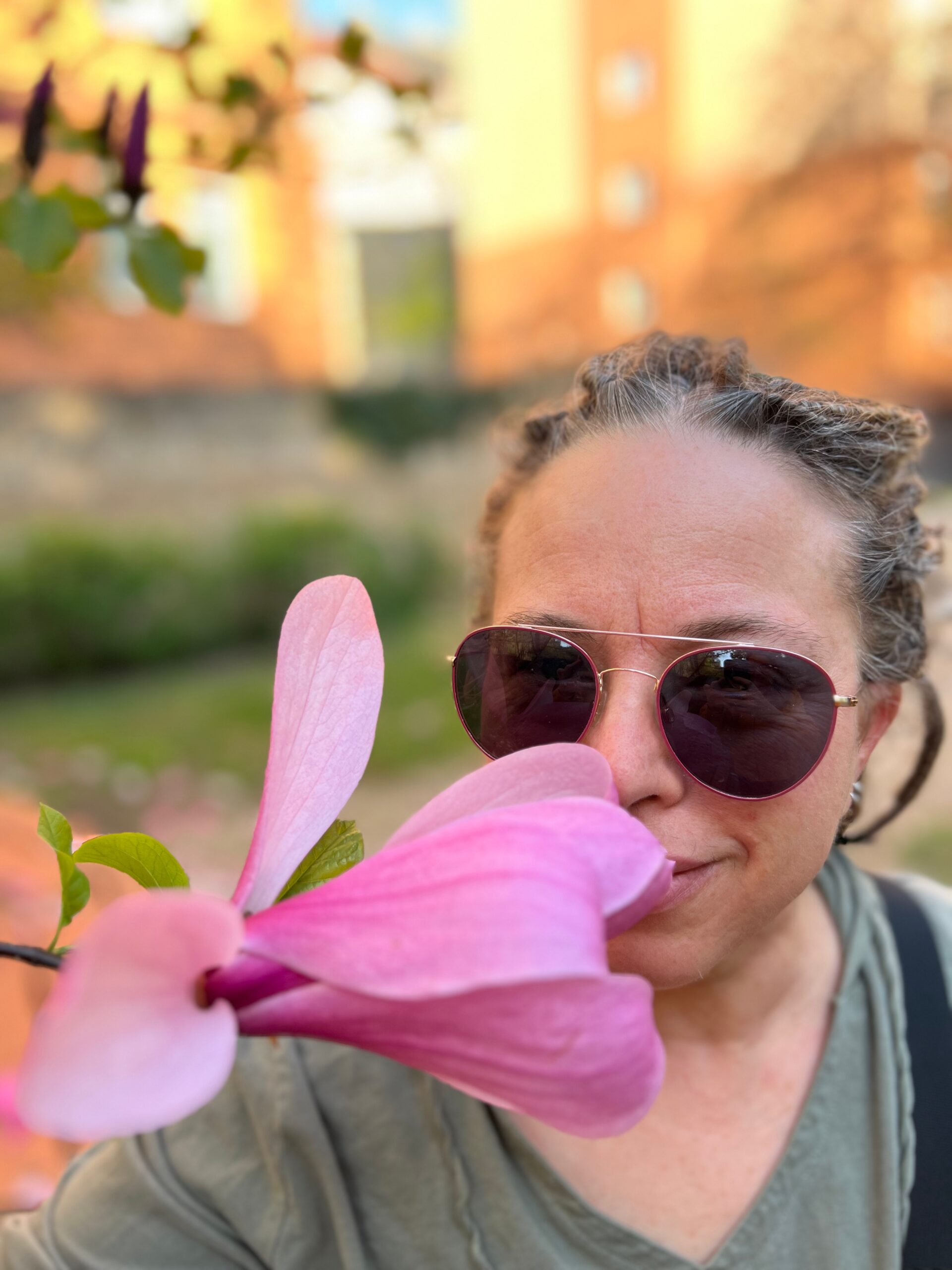
Nowadays, in many parts of the world, modern agricultural practices and our loss of connection to the land has significantly altered what it means to be counting the omer, and we are the poorer for it. As an ecofeminist, I suggest that our ancient history contains lessons for modern living: that of active waiting. In our active waiting, we should cultivate our interconnections with nature, the seasons, the land, and the divine presence within it that provides our very sustenance. We do this by honoring food, including the seven sacred species, its growers, and its harvesters and by recognizing the gifts of water and sunlight, on which the crops depend, as does every living being on this planet. Can we find a local clean water initiative to join or a community supported agricultural project to subscribe to? Is there a global charity that needs funds for drinking water or a micro-loan program that lacks partners? If we don’t have the time, money, or access to these, I think active waiting should also include dancing in the rain, observing dew drops in the morning, smelling the flowers, and/or developing a practice to welcome the sun. Personally, among other things, I plan to watch my windowsill strawberries grow. After all, the divine is in each rain drop, each sip of water, each new shoot, each magnolia blossom, each crack of thunder, each gentle breeze and gale-force wind, and each taste of a vine-ripened strawberry.
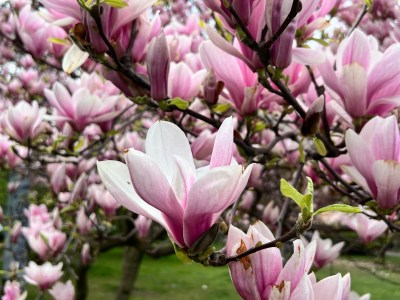
Thus, as we count the omer this year, may we find some time every day to spend in nature with the divine. May we honor the food on our tables and the people who grew and harvested it. May we treat nature with more kindness. May we not forget our connection to the land around us, to the manifestations of the divine in it, and to each other. Hopefully Shavuot will be all the sweeter for it.
Discover more from Feminism and Religion
Subscribe to get the latest posts sent to your email.

Read the full article on the original source
