




Faith & Reflection: Voices from the Black Church and Beyond
- Anchoring in faith helps parents endure multiple diagnoses; God taught new ways to pray, grieve, and show compassion.
- Parents need both gratitude and honest grief; take the seat of gratitude through Jeremiah 29:11 to find hope.
- Camille Joy urges compassion: offer practical support, send a text or gift, and never give unsolicited advice.
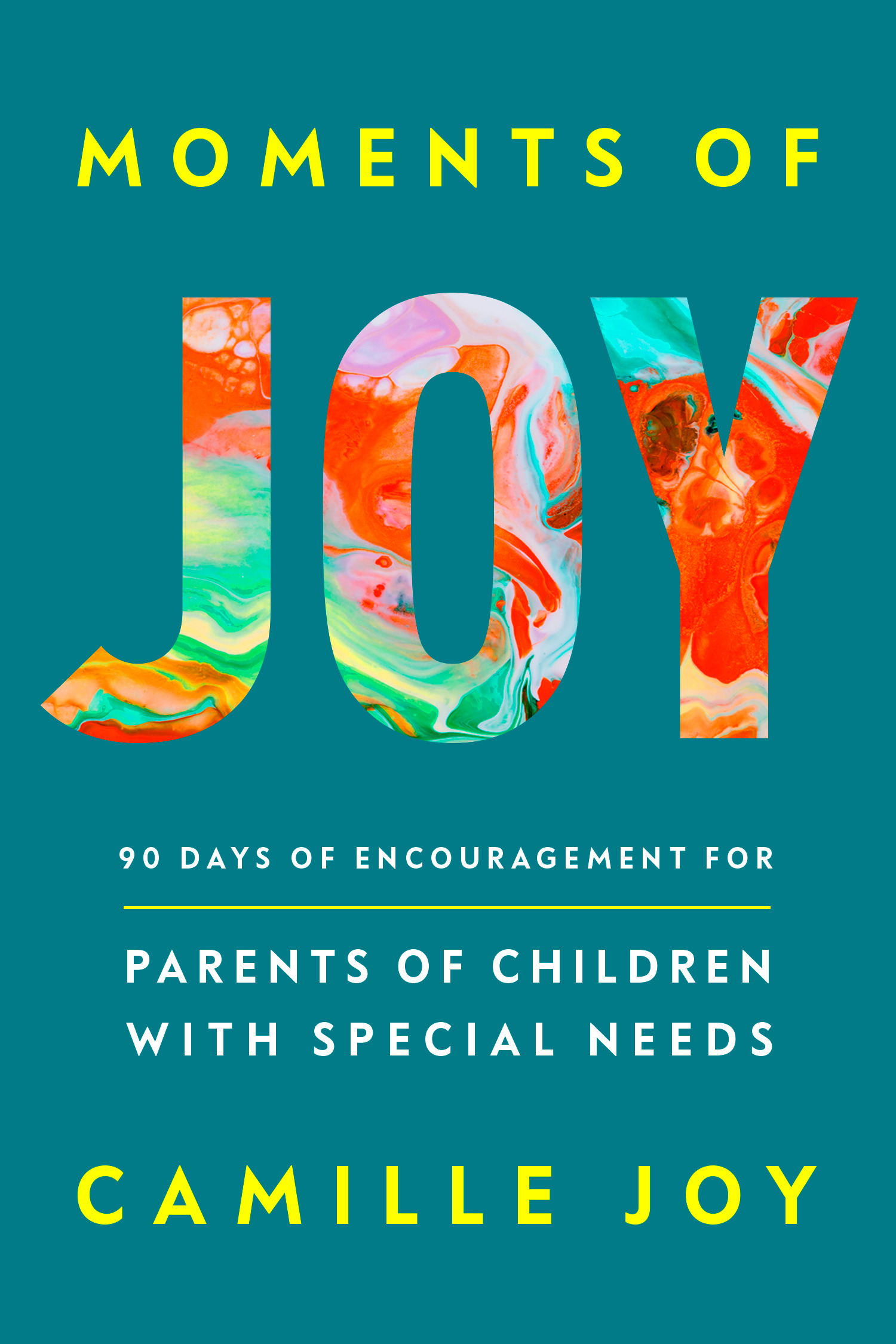
For Camille Joy, motherhood did not unfold the way she imagined it would. Instead, it invited her into a deeper reliance on faith, a slower understanding of joy, and a kind of love shaped by unexpected challenges. In her book Moments of Joy, Joy writes to parents who are learning how to hold gratitude and grief in the same hands. Through honest storytelling and gospel-centered hope, she reminds readers that God is present not only in answered prayers, but also in the daily, unseen moments where endurance is formed and joy quietly takes root. The full audio interview is below with written excerpts edited for clarity and length below.
MAINA
Where did the book come from? When did you know it was time to write it?
CAMILLE JOY
I knew it was time to write it in 2021. It took a long time to get to that place. Writing a book is very scary. Being published is even scarier. And once you get to the edits, that’s even more scary.
I knew it was time in 2021 when I began to encourage people online. I realized there were other parents like me who needed this kind of encouragement — not just kind words, but understanding that even in this diagnosis, God is still with us. That your child is still beautifully and wonderfully made.
MAINA
I have to admit, when I was reading it, I felt like it could be a book for all parents. Even though it’s inspired by parenting a child with disabilities, I kept thinking, every parent needs this.
How did you know to write it specifically for parents who have a child like Mason — especially since you have other children?
 CAMILLE JOY
I do — I have four other children. Mason is my fifth.
Everyone had different needs. Even my youngest son before Mason, who is still eight years older than Mason, his needs are ever evolving as a sibling of a child with a disability. Those children often become the center of the family because of the complexity of their health and neurological needs.
Mason became the center, but I had to remember that everyone still needed me. My oldest is about to be 25, and they still need their mother forever. I need mine.
With Mason, I had to crumble up everything I thought I knew about parenting. I knew motherhood. I knew structure. But then here came a child with special needs who had sensory restrictions even around food. I found myself cooking one meal for my family and then chicken nuggets for him. That was a complete shift for me.
And within the body of Christ, these parents are often rejected. Their children are demonized. People mean well, but they say things like, “You’re not praying hard enough.” That hurt deeply. I remember Mason was in my womb. The doctor said he’s going to be born with congenital heart disease. He told us he would need several surgeries. The doctor asked, “do you want to keep this baby or not?” And of course, my husband and I were like, “What? Of course we’re going to have our child. We’re going to accept everything.” But immediately when he was born, I began to face those people who would say you need to say this scripture. You need to pray. You’re not praying hard enough. It just hit me in my heart. I think people mean well, but those things that are [hurtful] with the parent. I began to feel rejected. I knew I could pray. I knew I was an intercessor. I knew that. But what do I do when here on earth, my baby is still not healed? Now what? You know? And God is still good. He’s still faithful.
God taught me how to pray differently. He taught me compassion for parents who are isolated and often misunderstood.
MAINA
Tell me about Mason.
CAMILLE JOY
Mason is eight years old. He loves music — gospel music especially. He wants one praise song “Anthem of Praise” by the late Richard Smallwood on repeat all day. He taps us and says, “I want music.”
He also loves straws. One straw. That’s his thing. He fidgets with it constantly. That’s just how his mind works.
MAINA
On page 33, you write: “Life often throws us unexpected curveballs.”
You include this affirmation: “I embrace the unexpected with grace, knowing that each detour is an opportunity to love my child.”
Can you explain that?
CAMILLE JOY
With Mason, it has been diagnosis after diagnosis; congenital heart disease, autism, intellectual disability, ADHD. If you don’t anchor yourself in Christ, it can overwhelm you.
The first thought is often negative. It takes effort to hold on to joy. But every unexpected thing becomes an opportunity to love your child deeper and learn them better.
I allow myself a moment to feel it and then I wipe my tears and keep going.
MAINA
How do you become grateful over circumstances as a parent of a child with special needs?
CAMILLE JOY
I take the seat of gratitude. Jeremiah 29:11 has anchored me through everything.
God has a plan for our future. Mason is His child before he is mine. That is his child. That is his baby. He has a great plan. There I can just take the seat of gratitude over any circumstance. Like you said, as a parent, it doesn’t matter even with special needs or not, there are many things that are going to happen, and you take the seat of gratitude over your circumstance. My mom used to say, we had you and we thought “we can write a book on parenting. This is easy.” And she said, then we had your sister and we said to ourselves, no, that’s not a good idea. It’s kind of one of those things where each child always brings this like – “Oh, yes,” with [raising them].
MAINA
What would you say to people who want to support friends raising children with special needs but don’t know how?
CAMILLE JOY
First, have compassion. Do not give unsolicited advice. Because although we think we know it all, this is a path you have not walked. This path, you have no idea what it takes to raise a child with special needs. When you have a friend and they have a child with special needs, you may say they make it look easy. But you don’t know what goes on behind closed doors.
If someone comes to mind, send them a Starbucks card. Send a text. Let them know they’re seen. Many parents don’t know they have community. Some feel alone. They feel isolated. And they won’t let you know. But when you say, you know, I see you…[it matters]. My sister watched my son recently. And when I went to pick him up, her husband said, “Camille, I don’t know how you guys do it.” He was like, “we only had him for eight hours.” But he saw our strength. See their strength without having to take care of the child. See their strength, even if you don’t understand their journey.
MAINA
When you hit send on the book, did you feel like you said everything you needed to say?
CAMILLE JOY
No. There’s always more to say. There’s always more encouragement to give.
Read the full article on the original source
