




Style Spotlight: Looks, Trends & Fashion Inspiration
- Dress with intention: Align outfits to the event’s purpose—professional, social, or spiritual—rather than relying on loud symbolism.
- Prioritize respect: Choose understated, well-fitted pieces that support the conversation instead of distracting from it.
- Context first: Consider host, audience, and setting before wearing culturally specific or African-inspired garments.
- Quality over gimmicks: Favor good fit, natural fabrics, and thoughtful craftsmanship to signal care and authenticity.
- Support Black designers: When possible, buy from and highlight Black-owned brands to turn style into tangible support.
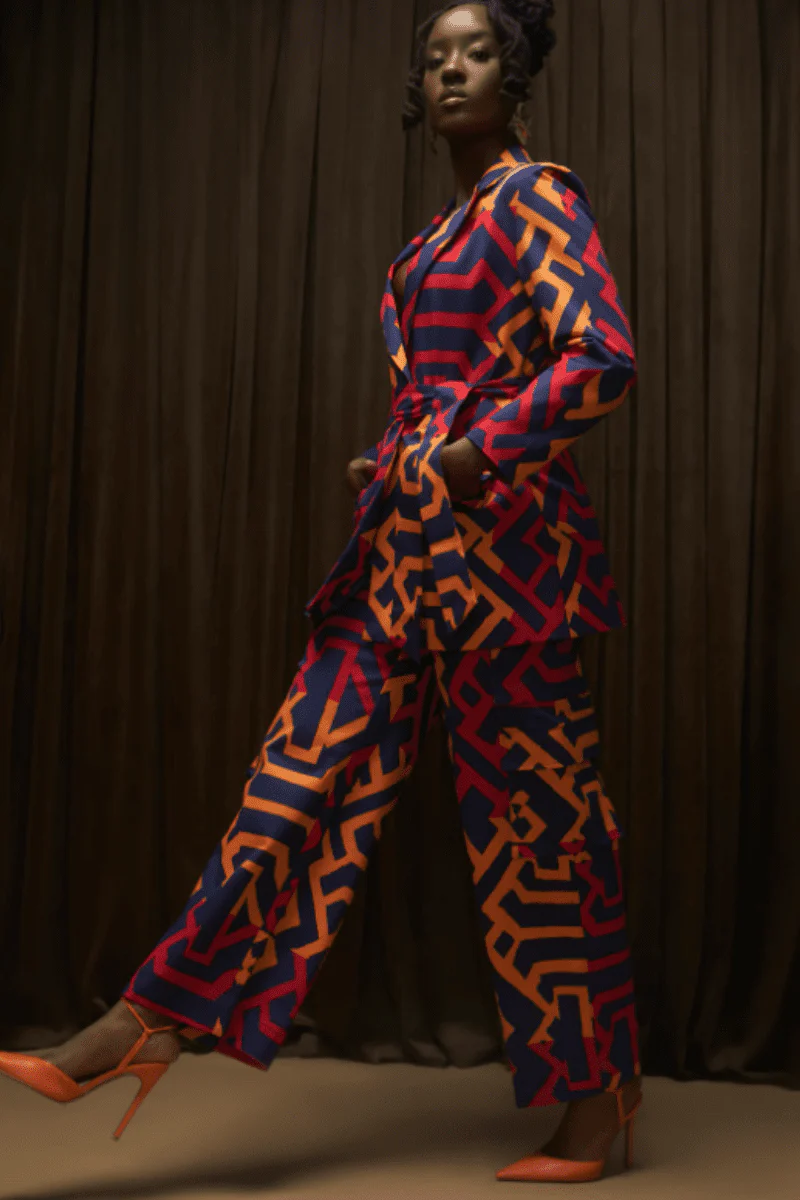
Camp. Yunma Women’s African Print Twill Cargo Pants
Black History Month is not about dressing louder. It is about dressing with awareness.
Across brunches, workplace events, worship services, and community gatherings, clothing becomes part of the environment. It shapes first impressions. It signals respect. Sometimes, it opens conversations without saying a word. During Black History Month, those signals carry added meaning because history, identity, and visibility are already in the room.
This guide looks beyond surface-level fashion advice. Instead, it breaks down how to dress thoughtfully for Black History Month events, with practical guidance that respects both cultural significance and real-world settings. The goal is not to “dress Black History Month,” but to show up well-informed, well-presented, and aligned with the moment.
TL;DR
Dress for Black History Month events the same way you approach the month itself: with intention. Match your outfit to the setting, avoid costume-like choices, prioritize quality and fit, and when possible, support Black designers or brands. Thoughtfulness always matters more than symbolism.
Why What You Wear During Black History Month Matters
Black History Month is a collective pause.
A moment where stories, contributions, and lived experiences are foregrounded, often in spaces that do not regularly make room for them.
What you wear during this month does not exist in isolation. It contributes to the tone of the space you enter. Clothing communicates awareness quickly and often subconsciously. It can reinforce respect, or it can distract from the purpose of the gathering.
This does not mean every outfit must carry symbolism. It means your clothing should not contradict the moment.
What matters most:
-
Alignment with the event’s purpose
-
Awareness of cultural context
-
Avoidance of caricature or performance
Intentional dressing is not about impressing others. It is about understanding where you are and why you are there.

How Should You Think About Style for Black History Month Events?
The most reliable way to dress appropriately for Black History Month is to start with context, not culture.
Before choosing an outfit, consider:
-
Is this event professional, social, or spiritual?
-
Is it celebratory, educational, or reflective?
-
Who is hosting, and who is attending?
From there, apply these principles:
-
Respect over expression: Loud symbolism is not always the most respectful choice.
-
Consistency matters: Wear clothing that feels authentic to you, not situational.
-
Quality signals care: Fit, fabric, and grooming communicate intention more than slogans.
Think of your outfit as supporting the conversation, not becoming the topic.
What Should You Wear to a Black History Month Brunch?
Brunch events during Black History Month often sit at the intersection of celebration and conversation. The mood is social, but not careless. Relaxed, but still considered.
This is one of the few settings where style can breathe without becoming distracting.
How to Approach Brunch Outfits
Brunch allows for personality. It welcomes color, texture, and detail, provided everything feels deliberate.
What works well:
-
Clean silhouettes with interesting structure
-
Rich colors rather than loud patterns
-
Accessories that feel personal, not symbolic
Outfit Direction Examples
Women may lean toward:
-
Midi or wrap dresses with tailored waistlines
-
Statement blouses paired with wide-leg trousers
-
Knit sets or jumpsuits styled with restraint
Men often do best with:
-
Relaxed tailoring (unstructured blazers, soft trousers)
-
Elevated casual shirts instead of graphic tees
-
Loafers, boots, or minimalist sneakers
Brunch is not the place for exaggerated messaging. It is the place for confident simplicity.
What Do You Wear to Black History Month Events at Work?
Workplace events require the most restraint and the most precision.
Black History Month programming at work is often educational or commemorative. Your outfit should reflect professionalism first, with cultural awareness layered in subtly.
How to Dress for Professional Settings
Start with your normal dress code. Then refine.
Appropriate choices include:
-
Tailored dresses, suits, or coordinated separates
-
Neutral or jewel-toned palettes
-
Clean lines and polished footwear
What to Be Careful With
Avoid:
-
Costume-style garments
-
Slogan-heavy clothing, unless explicitly encouraged
-
Over-casual silhouettes that undercut the moment
In professional spaces, understatement reads as respect. Let your presence, not your outfit, do the heavy lifting.

Manyara Women’s African Print Peplum Blouse
What Is Appropriate to Wear to Black History Month Worship Services?
Worship spaces add another layer of meaning: reverence.
Whether attending a church service, mosque gathering, or interfaith observance tied to Black History Month, the guiding principle is humility.
Dressing With Reverence
Clothing should feel composed and modest, without becoming rigid.
General guidelines:
-
Prioritize coverage and comfort
-
Choose fabrics that drape and move naturally
-
Avoid overly trendy or attention-grabbing pieces
In many Black congregations, traditional or African-inspired garments may appear naturally. This is appropriate when worn authentically and regularly, not as a one-time gesture.
What Should You Wear to Community Events, Panels, and Cultural Gatherings?
Community spaces allow for more expression, but not less thought.
Panels, lectures, museum events, and cultural programs often welcome individuality. These settings invite dialogue, and clothing can be part of that exchange.
How to Dress for Cultural Spaces
Here, fashion can:
-
Reflect heritage through modern silhouettes
-
Incorporate meaningful accessories
-
Blend contemporary style with historical references
What matters is clarity. Your outfit should look considered, not experimental.
Can You Wear African-Inspired Clothing During Black History Month?
This question comes up every year for a reason.
The answer depends on intent, continuity, and understanding.
When It Makes Sense
-
African-inspired clothing is already part of your wardrobe
-
You understand the cultural context of the garment
-
The event welcomes cultural expression
When It Does Not
-
The clothing feels like a costume
-
The garment carries a ceremonial meaning you do not know
-
You are wearing it solely “because it’s Black History Month.”
Cultural appreciation is rooted in respect and familiarity, not novelty.
How Do Colors, Fabrics, and Designers Influence Your Outfit?
Meaning often lives in the details.
You do not need explicit symbols to dress thoughtfully during Black History Month.
Color Choices That Work
-
Earth tones convey grounding and history
-
Jewel tones suggest depth and richness
-
Neutrals communicate seriousness and restraint
Fabric and Craft
-
Natural fibers feel intentional and timeless
-
Structured fabrics signal professionalism
-
Avoid unnecessary shine or excess embellishment
Supporting Black Designers
One of the most meaningful ways to engage in Black History Month through fashion is economic support.
Whenever possible:
-
Choose Black-owned brands
-
Highlight contemporary Black designers
-
Wear pieces with stories you understand
This transforms clothing from appearance into action.
Common Style Mistakes to Avoid During Black History Month
Even with good intentions, missteps happen.
Avoid:
-
Treating the month like a theme
-
Overloading outfits with symbols
-
Explaining your outfit more than necessary
-
Confusing visibility with respect
The strongest outfits are often the quietest.
FAQ: Common Questions About Black History Month Style
Is it okay to wear Black-owned brand merchandise?
Yes, especially when styled appropriately for the setting and worn beyond the month itself.
Should I wear Pan-African colors?
Only when they align with the event and your personal style. These colors carry historical and political meaning.
Is it disrespectful not to dress “special”?
No. Respect is shown through behavior, participation, and awareness, not costumes.
How should children dress for school events?
Comfort and age-appropriate understanding matter most. Avoid forcing symbolism they don’t grasp.
Conclusion
Dressing for Black History Month is not about getting it “right” through symbolism. It is about showing awareness through choices, how you dress, where you shop, and how you carry yourself in shared spaces. Clothing should never overshadow the history being honored or the conversations being held.
The most thoughtful outfits during Black History Month feel natural, grounded, and informed. They reflect respect without performance and confidence without excess. When clothing supports the moment instead of competing with it, it does exactly what it should: it lets the history, the voices, and the meaning remain at the center.
See the full look or story from the original source
