


Scientific research & Exploration: Explore the Globe With Research and Development
- X-ray micro-computed tomography revealed a rosette muscle arrangement at the fracture plane, matching modern lizard autotomy mechanics.
- Fossil tail belonged to a relative of monitor lizards or lacertids, informing squamate phylogeny and lineage traits.
- Confirmed mid-Cretaceous back autotomy constrains antiquity of tail-regeneration genes to at least 99 million years ago.
- Provides a behavior calibration point for squamate evolution, showing amber can preserve defensive events and functional responses.
A tiny piece of brownish-yellow from Myanmar has actually recorded a protective maneuver that lizards still utilize today: shedding component of their tail to get away a killer. The fossil gives direct proof that this protective mechanism was already in procedure in mid-Cretaceous woodland ecosystems.
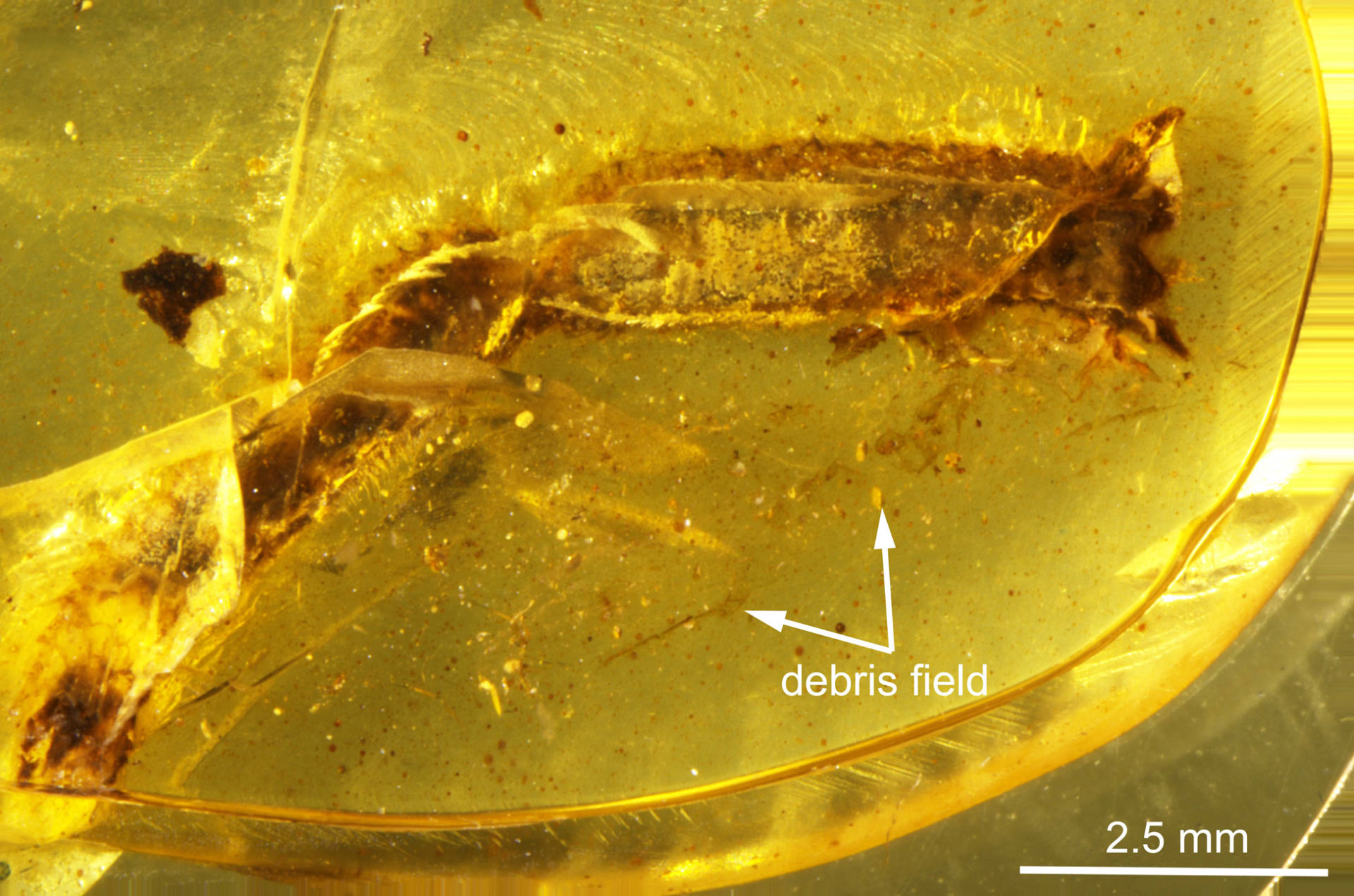
General sight of the brownish-yellow piece from Myanmar, arrows highlighting the debris stayed with the first resin circulation at the level of the forward surface area of the tail. Photo credit report: Fabrikant et al , doi: 10 26879/ 1706
Tail dropping is a prevalent defense among living reptiles.
When endangered, a reptile can leave its tail behind while escaping; the detached appendage might proceed moving, distracting a killer enough time for the animal to flee.
This method has costs, nevertheless, affecting locomotion, growth, reproduction and other elements of the pet’s life.
In spite of its occurrence today, the transformative background of the actions has actually been challenging to develop.
“Back autotomy, the voluntary dropping of the tail, is one of the most distinctive and best-studied antipredator behaviors in contemporary squamate reptiles, which make up the most diverse clade of earthbound animals,” claimed Tel Aviv College paleontologist Dolev Fabrikant and coworkers.
“The device of back autotomy involves the activity of having muscles along specialized fracture aircrafts, which allow the reptile to get away while the separated tail remains to relocate and distract killers.”
“The behavior is ecologically substantial and energetically costly, influencing locomotor performance, growth, social interactions, and reproduction, while it might even function as the source for novel biomimetic modern technologies.”
“Phylogenetic research studies show that back autotomy developed at the origin of squamate phylogeny and exists in a minimum of two thirds of modern-day lineages, with repeated secondary losses.”
The researchers took a look at a piece of mid-Cretaceous brownish-yellow which contains a detached reptile tail with extremely unspoiled skin and muscle mass cells.
The specimen stems from a mine in the Hukawng valley, Kachin state, northern Myanmar.
“The specimen was lawfully obtained in 2022 with business channels (Burmite-miner) and is completely housed in the openly obtainable study collection of the Steinhardt Museum of Nature, Tel Aviv University,” the scientists explained.
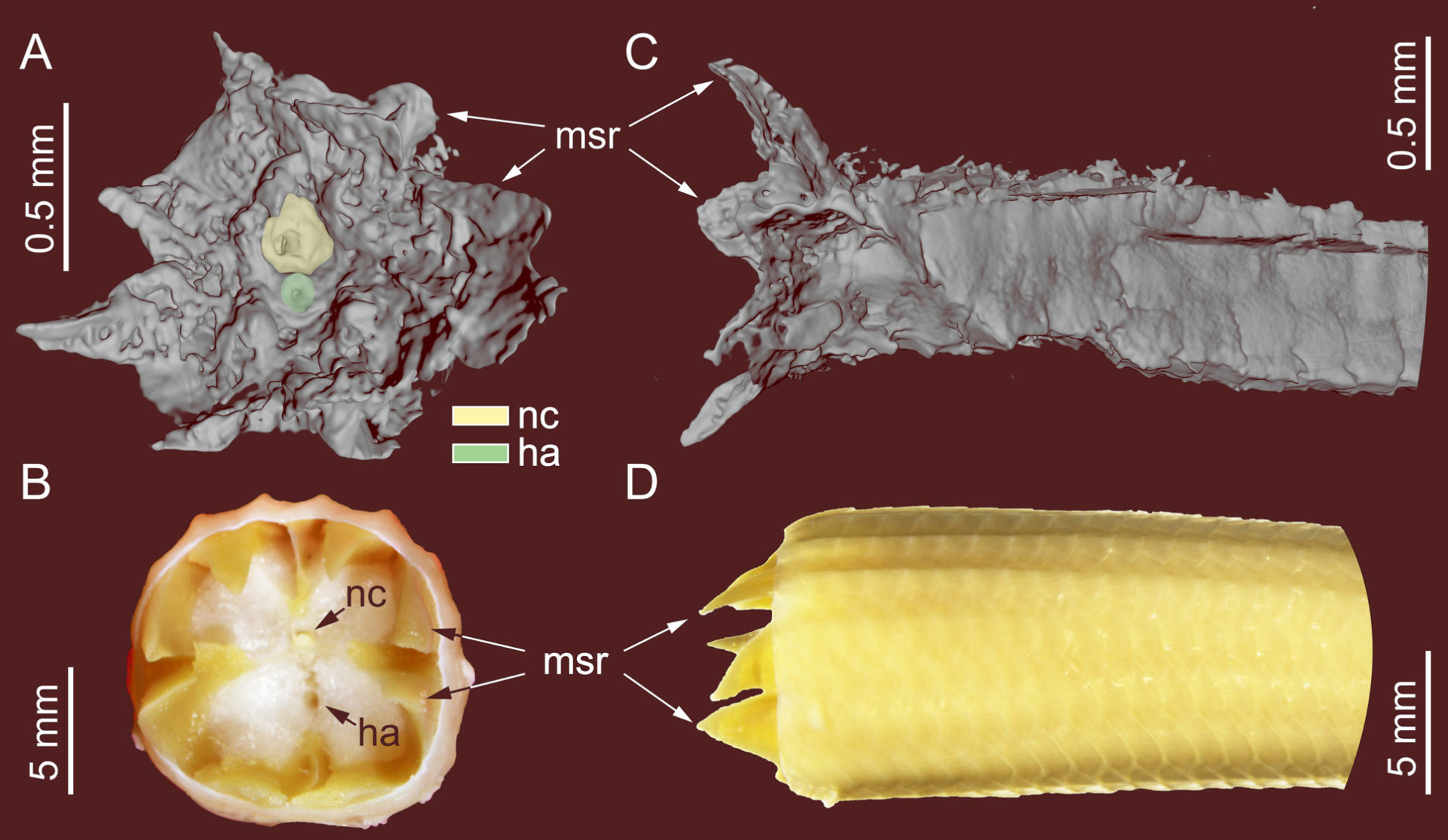
Contrast of the fossil reptile tail with an autotomized tail from a contemporary scincid lizard ( Eremiascincus sp.). Photo credit score: Fabrikant et alia , doi: 10 26879/ 1706
Using X-ray micro-computed tomography, they evaluated its framework and contrasted it with the tails of living skinks and reptiles.
The scans revealed a ring of muscle mass cells around the break, set up in a rosette or wedge pattern. Living lizards form this framework when muscular tissues agreement throughout a calculated tail decline.
The tail belonged to a loved one of monitor lizards or of lacertids, the team that includes European wall lizards.
According to the writers, the circumstances that resulted in the tail’s preservation continue to be unclear.
They use 2 scenarios: a tree-dwelling lizard became stuck in the material and run away by dropping its tail, or a predator captured the reptile, lost the tail in the battle and dropped it onto the sticky surface area.
“Considering that caudal autotomy in living lizards is often developmentally combined to tail regenerative ability, its verified visibility in the mid-Cretaceous likewise constricts the antiquity of connected regenerative programs,” they ended.
“Ergo, candidate genes involved in tail regeneration might have developed by a minimum of 99 million years ago.”
“By documenting a finished autotomy occasion instead of physiological tendency alone, the sampling offers a behavior calibration point for the advancement of the primary antipredator approach in squamates.”
“Extra broadly, it showcases that brownish-yellow can protect distinct defensive events and functional reactions, thereby expanding the deep-time behavior resolution of the animal fossil record.”
The research study appears online in the journal Palaeontologia Electronica
_____
Dolev Fabrikant et al 2026 Direct fossil evidence of back autotomy in a Cretaceous lizard. Palaeontologia Electronica 29 (3: a 38; doi: 10 26879/ 1706
Check out the complete short article from the initial source