




Stay Informed: Latest News from Across Georgia
- Ordinance would define an vape shop as selling 25% or more vape products or using 25% of interior space for vape sales.
- Other cities, including Johns Creek and Milton, impose 25% limits; Smyrna and Atlanta require 1,000 feet separation from schools and homes.
- Legal review found no conflict with the First and 14th Amendment, yet council members questioned intent and a slippery slope to liquor stores.
- Police have not conducted stings for underage sales; the ordinance would regulate location and factors but would not ban vape shops.
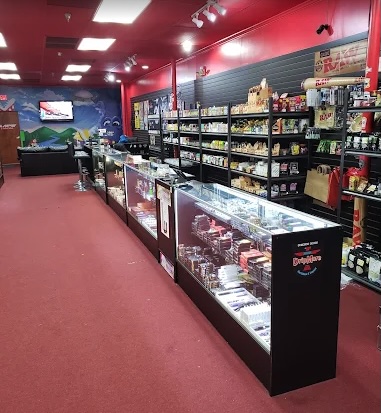
The Dunwoody City Council on May 11, after a lengthy discussion about an ordinance to regulate vape shops within the city, tabled the matter and extended a moratorium on new permits until August 10.
The measure would define the areas where vape shops would be permitted and set parameters for what would constitute a vape shop, either 25% or more of its total products sold being vape-related, or 25% of its interior space used for vape-related sales.
Paul Leonhardt, the city’s deputy community development director, provided information in response to several council questions raised at the April 27 meeting.
Leonhardt said that Johns Creek and Milton have several limitations on new stand-alone vape shops, including the 25% limit on floor space, inventory, or gross revenue. In addition, several other cities, including Smyrna and Atlanta, require vape shops to be 1,000 feet from schools and homes.
He also said that a legal review found no conflicts with the First and 14th amendment, but the council still balked, after several questioned the intent of the ordinance.
“I don’t smoke and would never do that to my lungs, but I feel this is an unreasonable scenario,” Catherine Lautenbacher said.
John Heneghan seconded her concerns, saying that regulating vape shops will allow for a slippery slope when it comes to other uses, like liquor stores.
Stacey Harris asked Dunwoody Deputy Police Chief Oliver Fladrich if the department had ever conducted stings on vape shops to ensure products were not being sold to underage users, and Fladrich replied that the department has not.
“I’m just not sure what problem we are solving with this regulation,” she said.
Harris confirmed that the ordinance, as written, would not ban vape shops in the city, but regulate their location and other factors.
After some discussion about the proper procedure for tabling the motion, the council voted unanimously to do so, and then extended the moratorium.
The council also discussed ways to help retain police officers in the city. A study contracted by the city said current market survey data indicates that, “to remain competitive with surrounding cities and to remain benchmarked at 85% of the current local market, the city should update its salary ranges by 3.9%.”
“This adjustment aligns with the 3.9% market adjustment approved in the 2026
budget for all city employees,” a staff memo said.
In other action, the council:
• commended the partnership between the city and Jack and Jill for the partnership on Martin Luther King Jr. Day in February;
• approved a one-year pilot program that would allow the installation of economic development-oriented banners and signs to convey a variety of messages that drive local commerce, attract customer activity, support placemaking and branding, promote tourism, and encourage investment in the city;
• Authorized $33,000 to purchase ballistic panels for police officers’ vests.
Read the full article on the original site
