




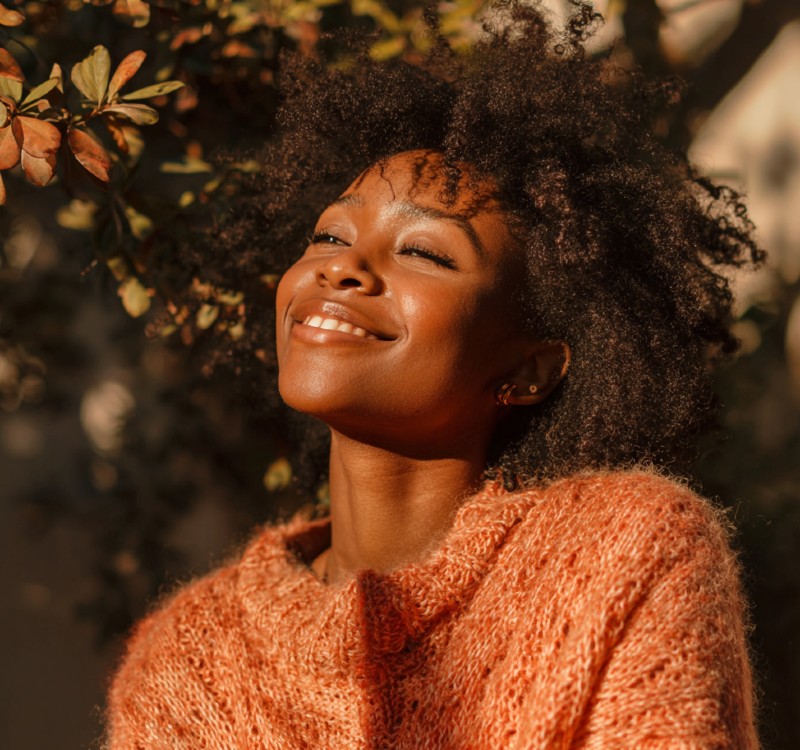
Glow & Grow: Black Beauty, Haircare, and Skincare Tips
- Deep condition weekly with masks containing aloe or honey to restore softness and flexibility.
- Moisturize regularly with water-based sprays and leave-in treatments, then seal with lightweight oils like argan or jojoba.
- Choose protective styles—braids, twists, buns—and use satin-lined hats or scarves to reduce friction and retain length.
- Balance moisture and protein for relaxed hair; protein treatments every 4–6 weeks and follow with rich moisturizing masks.
When the air turns crisp and the sweaters come out, our hair starts to tell a different story. Fall is a season of change, and not just for the leaves. Between the cooler temperatures, drier air, and leftover sun or chlorine damage from summer, Black hair needs a little extra love this time of year. Whether your hair is natural, relaxed, or silk-pressed, a few smart swaps can help it stay hydrated, strong, and thriving.
Why fall hair care matters
As the temperature drops, humidity levels fall too, and hair–being hygroscopic (meaning it naturally absorbs and releases water depending on the moisture in the air)–reacts to that shift. When the air gets cooler and drier, it pulls moisture from your strands, lifting the cuticle layer and leaving hair weaker and more brittle. Combine that with the UV, salt, and chlorine exposure from summer, and it’s no wonder many of us notice dryness or dullness in September and October.
Seasonal shedding can also sneak up on you. Some studies show that a higher percentage of hair follicles enter the resting phase in summer and shed by early fall. So if you’re seeing a few extra hairs in your comb, don’t panic. It’s often part of your hair’s natural rhythm. Just focus on gentler handling and moisture retention to minimize breakage during the transition.
Tailor your routine to your climate
If you live somewhere dry or spend your days surrounded by central heating, your hair will crave more moisture. Go for richer, creamier shampoos and conditioners, and deep condition weekly. Ingredients like hyaluronic acid, peptides, and natural oils (think argan or jojoba) help bind water to your hair without heavy silicone buildup.
In humid climates, on the other hand, frizz becomes the main villain. Swap heavy butters for lighter moisturizers, use humidity-resistant products, and lean on protective styles like braids or buns to reduce exposure to moisture and UV rays.
You might also like: The Best Fall Hair Products for Natural Hair
For natural hair: hydrate and protect
Deep condition up to weekly: As the air loses moisture, so does your hair. Deep conditioning masks—especially ones with aloe or honey—help restore softness and flexibility. Make it a ritual: depending on your hair’s needs, you may want to go up to deep conditioning once a week; apply your mask, cover with a shower cap, and let it sit while you unwind.
Moisturize: Moisture is what keeps hair soft, elastic, and less prone to breakage, and when temperatures drop, your hair needs even more of it. You might find yourself misting your hair with a water-based spray every couple of days or reaching for a hydrating leave-in more frequently than you did in summer.
Seal in moisture: After moisturizing, follow up with a light oil like argan, grapeseed, or jojoba to seal that hydration in. Oils act like a barrier, locking moisture inside the strand so it doesn’t evaporate into the dry air. If you live in a very dry climate, you can layer a richer cream or butter on top for extra protection. But in humid weather, stick with lightweight oils or serums to avoid buildup and frizz.
Choose protective styles: Braids, twists, and updos keep your ends tucked away and reduce friction from scarves and coats. They also help you retain length by minimizing manipulation.
Trim and protect: Fall is the perfect time for a trim. Cutting off split ends keeps them from traveling up the shaft and causing more damage. Every 6–8 weeks is ideal for maintaining healthy ends. And since scarves and hats can snag strands, switch to satin-lined options to avoid friction and moisture loss.
Cleanse gently and care for your scalp. Cooler weather means less sweat, so you so you don’t have to shampoo as often. When you do, reach for a sulfate-free, moisturizing shampoo to avoid stripping natural oils. On off-days, co-washing with conditioner can refresh your hair without drying it out.
For relaxed hair: balance moisture and protein
When the air turns cooler and drier, relaxed hair needs extra protection. The chemical process already leaves strands more fragile, and fall’s drop in humidity can make them feel even more brittle. Focusing on a healthy balance of moisture and protein helps prevent seasonal breakage.
Protein and deep conditioning: Because relaxing breaks down keratin bonds, you’ll want to strengthen your hair with a protein treatment every 4–6 weeks, especially after the drying effects of summer sun and saltwater. Always follow with a rich, moisturizing mask to restore flexibility. Adding gentle heat under a hooded dryer helps the conditioner sink in, which is especially useful when indoor heating starts to dry the air.
Frequent hydration: In the fall, moisture loss happens faster. Layer water-based leave-ins with lightweight oils to lock hydration in. If your hair feels drier than usual, add mid-week moisturizing sessions, lightly misting your ends or using a creamy leave-in. Keep heat styling to a minimum and stretch your relaxers to every 8–12 weeks to prevent overlapping damage.
Gentle styling: Cooler weather means more friction from sweaters, scarves, and coats, so low-manipulation styles are your friend. Try buns, wraps, or protective looks like wigs and weaves that keep ends tucked away. Sleep on satin or silk pillowcases and switch to satin-lined hats or scarves to reduce friction and retain moisture.
Healthy hair starts from within
No matter your texture, your scalp and body need proper nourishment. Protein, iron, zinc, and vitamin D all play a role in growth. Dermatologists suggest eating at least 50 grams of protein per day and staying hydrated. If you’re shedding excessively, check with a dermatologist to rule out deficiencies or hormonal causes.
And as always, be gentle. Avoid tight styles that pull at the scalp, keep heat minimal, and resist over-supplementing, too much of a good thing can backfire.
Final thoughts
Fall doesn’t have to mean breakage season. With a few smart adjustments: more moisture, less heat, and plenty of protection—your hair can flourish all autumn long. Keep your routine consistent, listen to what your hair needs, and remember: healthy hair is hydrated hair, no matter the weather.
Read the full article from the original source
