




From Campus to Classroom: Stories That Shape Education
- Renewal vote will decide whether to continue the ESPLOST that funds Gwinnett County Public Schools for five years.
- Supporters say the penny sales tax funds new facilities, maintenance, safety, and technology upgrades across the district.
- Opponents argue the tax is regressive, burdens low- and middle-income residents, and demand greater spending accountability.
- A no vote could force cuts or raise property taxes, while officials can put the measure back on the ballot later.
Renewing the tax would raise about $1.5 billion, but some voters say they don’t trust how the district would spend the money
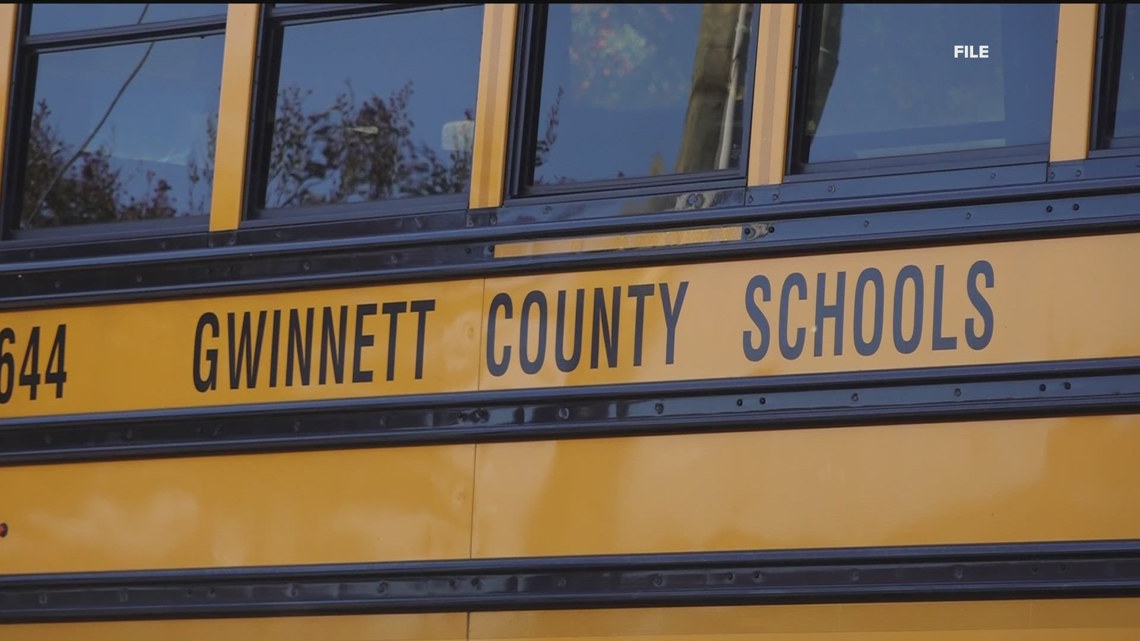
GWINNETT COUNTY, Ga. — Georgia’s largest school district has a large pool of funds to keep it running thanks to an education special purpose local options sales tax, or ESPLOST. It has been in place since 1997 and has gotten voter approval half a dozen times to fund Gwinnett County Public Schools. This time around, the school district said renewal of the penny sales tax would raise around $1.5 billion.
Kathleen Carey has two grandchildren in the district and said the money will be necessary to pay for new facilities, maintain aging buildings, school safety and tech upgrades among other items.
It brings in more people to help support our schools, because everybody who shops in Gwinnett shares in that one-percent sales tax,” Carey said. That brings a lot of needed funds to our schools. More kids, more funds needed.”
But not everyone is sold on renewing the ESPLOST or the state of spending on Gwinnett County’s school board. Steve Smith, who has a child in middle school, said he opposed the tax because he would rather see tighter spending and more accountability.
“You’re already being double-taxed,” Smith said. You got your property taxes and we have a consumption tax we’re already putting toward the school system. When it comes to low and middle-income earners, it’s a regressive tax, because they don’t have the extra funds to keep spending towards this sort of thing. I think they could use the budget they already get in a better manner. I think we’ve gotten away from being efficient and checking how we’re spending money, and we’re just spending whatever we want.”
Carey worried that the consequences for not renewing the penny sales tax could cost Gwinnett County residents. She said a no vote might cause property taxes to increase or the school district to cut services.
However, Smith said Gwinnett County is nearly at the state-legislated property tax cap, and the difference in property taxes could be far less than what people pay in a penny sales tax from year to year.
“You want to continue like you’re owed it. It’s been around since 1997,” Smith said. “This was supposed to be a temporary measure, and instead it’s become a permanent repass every year. If we vote this down this session, they can always put it back on the ballot for a new vote. If you look at the economy right now, how many people are talking about struggling to pay bills and buy food and things? One percent in a consumption tax is a lot of money for someone who doesn’t have it.”
Voters approved an extension of the ESPLOST for five years in November 2020. A portion of the tax goes to Buford City Schools as well. Election Day is Tuesday, November 4. Gwinnett County Public Schools plans to hold a digital learning day for students.
Read the full article on the original site
