




Aging Well: News & Insights for Seniors and Caregivers
- Personalized, patient-centered one-on-one care tailors routines, meals, medications, and activities to each senior’s needs, improving comfort and daily participation.
- Fosters strong companionship and emotional support, reducing loneliness and depression risk while encouraging hobbies, conversation, and social engagement.
- Improves safety and health outcomes with vigilant monitoring, fall prevention, and medication management while giving families peace of mind (see Caring Senior Service).
In today’s fast-paced world, families are searching for more personalized ways to support aging loved ones. One option that continues to stand out is one-on-one senior care—a care model built around individualized attention, meaningful relationships, and flexible support.
Unlike traditional care settings, like nursing homes or assisted living facilities, one-on-one care for seniors focuses entirely on the individual. Whether provided in the home or within a facility, this approach prioritizes not just physical needs, but also emotional well-being and quality of life.
If you’re exploring care options for an aging loved one, understanding the benefits of one-on-one care can help you make a more confident and informed decision.
What Is One-on-One Senior Care?
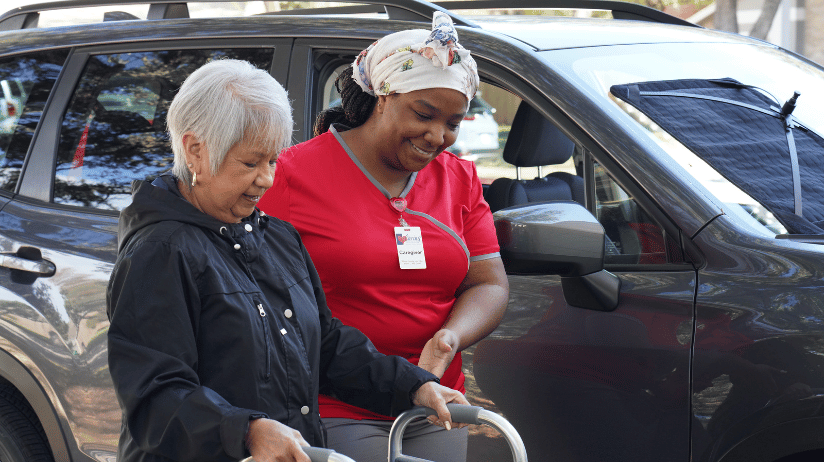
One-on-one senior care refers to a caregiving model where a dedicated caregiver provides individualized support to a single client. This type of care is most commonly delivered as in-home care for seniors, allowing older adults to remain in familiar surroundings while receiving assistance with daily activities.
Rather than following a fixed schedule or rotating staff—as is common in many facilities—care is tailored to the senior’s unique needs, preferences, and routines.
This personalized approach creates a more comfortable, consistent, and supportive experience for both seniors and their families.
Key Benefits of One-on-One Care for Seniors
1. Supporting Independence at Home
One of the biggest concerns for aging adults is losing their independence. One-on-one care helps seniors maintain control over their daily routines, allowing them to stay engaged in familiar activities and environments.
Instead of taking over tasks, caregivers provide just the right level of support—encouraging seniors to remain active participants in their own lives. This balance helps preserve dignity, confidence, and a strong sense of purpose.
RELATED CONTENT: 7 Reasons Why Independence Is Important for Seniors
2. Providing Personalized, Patient-Centered Care
Every senior has unique needs, and one-on-one senior care is designed to reflect that.
Care plans are customized to fit the individual, including:
- Daily routines and preferences
- Meal preparation and dietary needs
- Medication reminders
- Hobbies and social activities
Because caregivers work closely with one client, they can adjust care in real time—ensuring a higher level of comfort and responsiveness.
3. Building Strong Companionship & Emotional Support
Loneliness and isolation are common challenges for older adults, especially those living alone. One of the most meaningful benefits of one-on-one care for seniors is the companionship it provides.
Caregivers often become trusted companions—offering:
- Conversation and emotional support
- Help with hobbies and activities
- Encouragement to stay socially engaged
These relationships can significantly improve a senior’s mental and emotional well-being, reducing the risk of depression and feelings of isolation.
RELATED CONTENT: Ways to Address the Emotional Needs of Seniors
4. Improving Safety & Health Outcomes
With one-on-one senior care, there is a greater level of attention to detail. A dedicated caregiver can quickly notice subtle changes in a senior’s condition—whether physical, emotional, or behavioral.
This proactive support can help:
- Prevent falls and injuries
- Identify health concerns early
- Ensure medications are taken correctly
- Support chronic condition management
Over time, this level of care can lead to better overall health outcomes and fewer hospital visits.
5. Offering Peace of Mind for Families
Caring for an aging loved one can feel overwhelming, especially when balancing work, family, and other responsibilities.
With one-on-one care at home, families gain peace of mind knowing their loved one is receiving consistent, attentive support. Caregivers often provide regular updates and become an extension of the family—helping everyone stay informed and involved.
At Caring Senior Service, our team members follow the GreatCare® method — providing families with confidence that their loved one is receiving consistent, high-quality support.
One-on-One Care vs. Nursing Homes & Assisted Living
When comparing long-term care options, many families look at one-on-one senior care vs nursing homes or assisted living facilities. While both options provide quality care services, the experience can be very different in terms of personalization, flexibility, and quality of life.
| Feature | Facility-Based Care | One-on-One Care |
| Staff-to-client ratio | Often high | 1:1 personalized attention |
| Personalized care | Limited | Fully tailored to individual needs |
| Consistency | Frequent caregiver changes | Consistent caregiver(s) when possible |
| Emotional connection | May be minimal | Strong, trusted relationship |
| Environment | Shared, communal setting | Familiar home environment |
| Cost structure | Flat monthly rate | Flexible hourly care options |
For many families, these differences make one-on-one care at home a more personalized and flexible alternative to traditional facility-based care.
Is One-on-One Care Affordable?
Many families assume that one-on-one senior care is out of reach financially. In reality, it can be more flexible—and sometimes more affordable—than traditional care options.
Because care is typically billed hourly, families can create a schedule that fits their needs and budget. This allows them to pay only for the level of care required.
Financial assistance options may include:
- Long-term care insurance
- Veterans Affairs (VA) benefits
- Medicaid waiver programs
- Flexible spending accounts (FSAs)
- Local and state support programs
Exploring these options can make in-home one-on-one care more accessible than many families expect.
Why Families Are Choosing One-on-One Senior Care
As more families prioritize quality of life and independence, one-on-one care for seniors continues to grow in popularity.
This approach offers a balance of:
- Personalized support
- Emotional connection
- Flexibility and independence
For many seniors, it’s not just about receiving care—it’s about maintaining dignity, staying connected, and continuing to enjoy life on their terms.
Final Thoughts
In a world where efficiency often takes priority, one-on-one senior care brings the focus back to what matters most: people.
By providing individualized attention, meaningful companionship, and flexible support, this care model helps seniors maintain independence and experience a higher quality of life.
Whether your loved one needs occasional help or more consistent support, one-on-one care at home can make a lasting difference—for both seniors and their families.
At Caring Senior Service, our caregivers provide compassionate, personalized care designed to meet each client’s unique needs. Contact your local Caring team today to learn how we can support your family.
Read the full article on the original source
