




Food & Beverage News: Insights, Safety, and Dining Trends
- Rawlston Williams debuts The Caribbean Cookbook: a geography-based volume spanning 28 countries with over 380 recipes.
- Developed largely during the pandemic, he submitted over 420 recipes initially and refined the book to emphasize nuanced, approachable Caribbean techniques.
- The Caribbean Cookbook debuted April 14 and launches a dinner series with chefs like Nina Compton, Paul Carmichael, and Wayne Sharp.
- The book aims to introduce Caribbean flavors to novices and help change perceptions, opening opportunities and elevating regional cuisine.
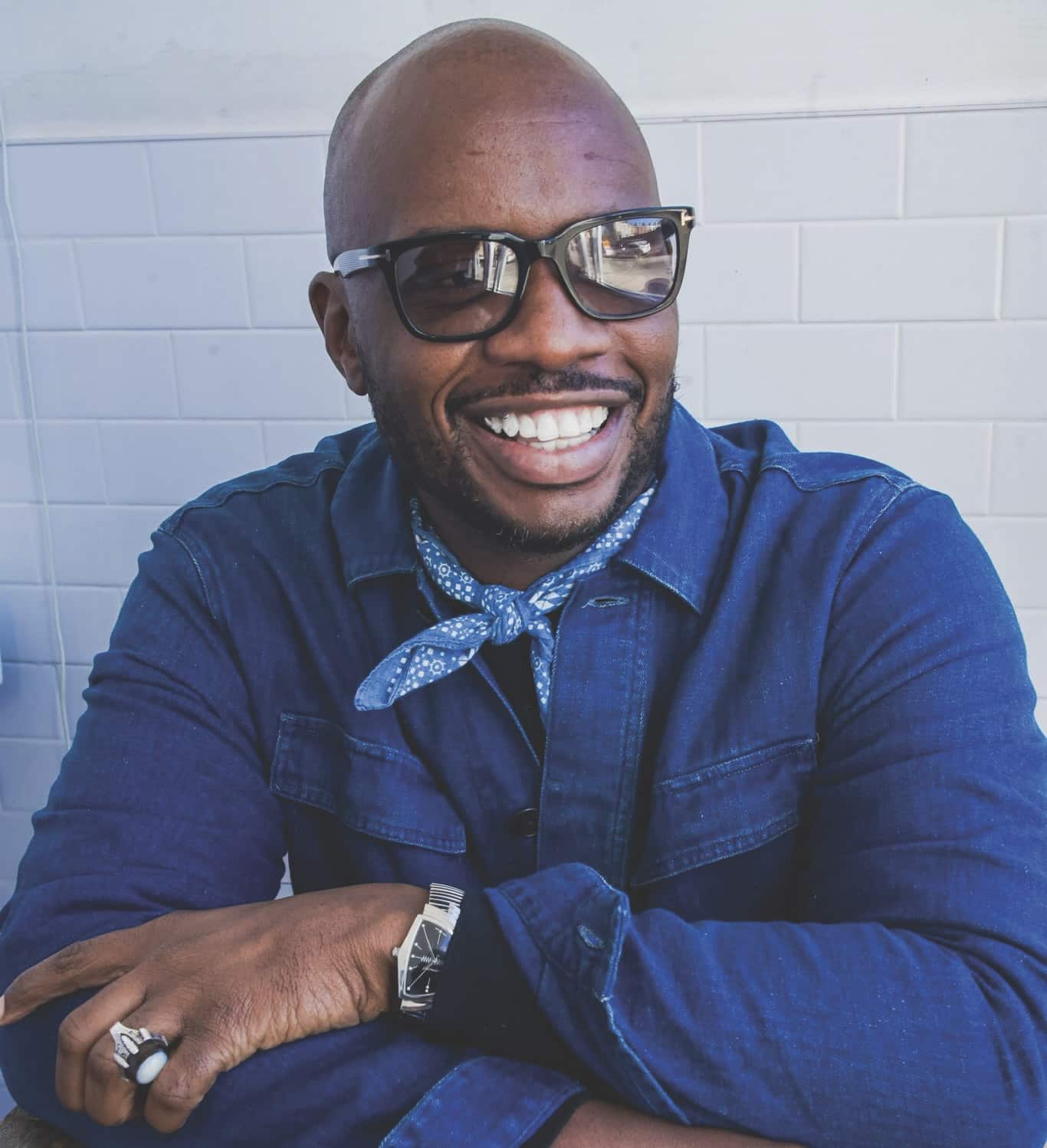
While much of chef Rawlston Williams’ life has been spent in the United States, he remains a child of St. Vincent and the Grenadines. His childhood there influenced and shaped his worldview, culinary path, and the foundation of his first acclaimed restaurant, The Food Sermon.
In his latest endeavor, Williams channels that breadth of experience into new territory as a recipe developer and author of over 300 recipes in his debut title, “The Caribbean Cookbook.” This was no small feat and offers a comprehensive introduction to Caribbean cooking.
From St. Vincent and the Grenadines to New York City
Williams spent his earliest years under the care of his aunt, Gloria Farrell, while his mother established a life for their family in New York. A woman of strong faith and routine, Farrell instilled values and lessons that stay with him today.
He remembers her waking him up in the early morning to take ten deep breaths of fresh air and emphasizing the importance of giving back to their community. At the same time, Williams credits his aunt with teaching him how to dream. He shares, “My aunt’s goal was to return me to my mother pristine, and so much of her teaching was rooted in that.”
Williams grew up as a Seventh-day Adventist. He and his aunt followed a vegetarian diet, spending the days leading up to the Sabbath gathering produce and prepping meals. When his aunt was diagnosed with rheumatoid arthritis, many of these tasks became his responsibility. “At five or six, I essentially became her arms and legs and was cooking for Sabbath dinner under her instruction.”
Meat-based dishes were within reach, with Williams recalling his first way of consuming stew chicken and salted cod was through their aroma. Occasionally, he’d sneak to a friend’s house for a bite. “[My friends] would hold it over my head,” he chuckles. “Saying they’d tell my aunt if I didn’t do what they said.”
At the age of ten, Williams’ mother came to retrieve him and bring him to New York, where she lived with his two brothers and father. It was 1987, crime and drugs were more than apparent in his neighborhood of East Flatbush, Brooklyn, and maintaining his safety was one of his parents’ main concerns.
He remembers the rigidity of being told to come home straight from school, making no stops. But not only was the environment different, with less freedom, but the food also presented a stark contrast.
Adapting to New Foods in a New Country
Because his youngest brother had access to specific government food benefits, he got his first introduction to more processed and packaged foods. “One of the only times I got in trouble from my mother was when I threw away all of our yogurt,” Williams remembers. “I opened each container, and it all tasted sour, so I thought it had gone bad.”
He remembers how cereal was celebrated for keeping its crunch when put in milk, whereas in St. Vincent and the Grenadines, cereal was soft and mushy in warm milk (that they had boiled to pasteurize), and rather than freshly picked fruits and vegetables, they had to purchase them at the store. This shifted his perspective on food.
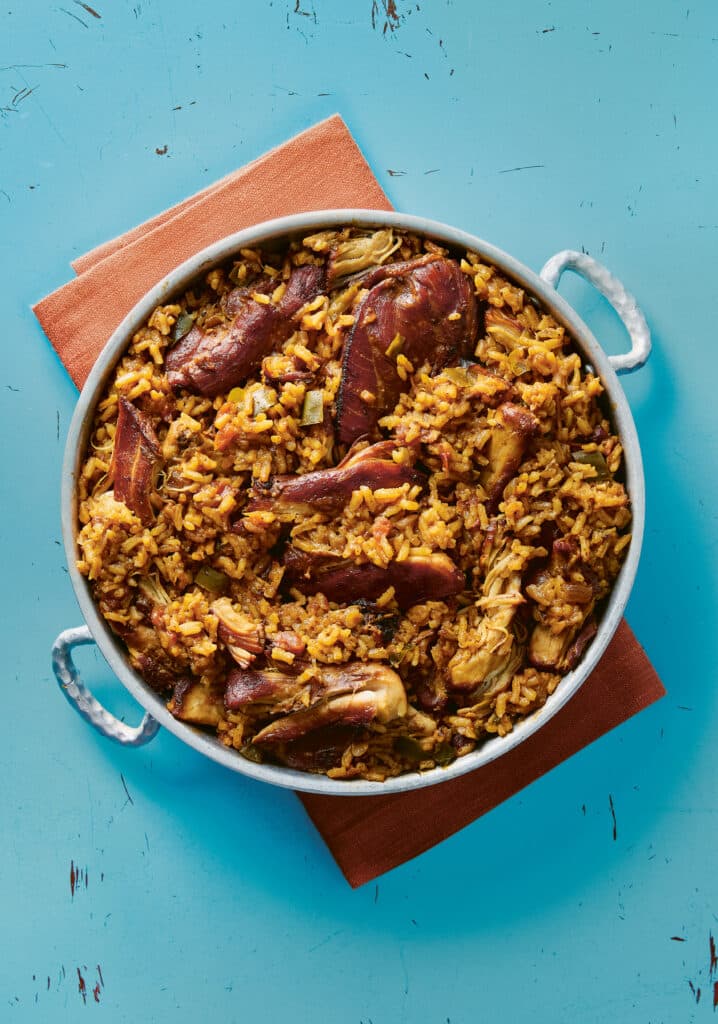
In the years that followed, the Caribbean chef developed a longing for the foods he no longer had access to, and at the same time, a desire to try and cook new things.
GET THE RECIPE: Pelau by Chef Rawlston Williams
“I remember staying home from school just so I could watch ‘Yan Can Cook,’” he recall, referencing the 1990s cooking television show led by chef Martin Yan, who used his cleaver to do everything from breaking down a chicken to smashing garlic. This opened his eyes to cooking, buying ingredients from the store, heading home to cook and clean up before his mother got home. And even though he didn’t know it, his future as a chef was unfolding.
The Makings of the Food Sermon
“Being a chef wasn’t even something I thought was possible. I imagined [being a chef] as being a dream for others, but not for myself,” Williams shares.
He considered several paths, including studying theology and fashion design, but neither stuck. Even through these endeavors, cooking was always in his spirit. In his free time, he would visit the French Culinary Institute for tours, watching the students come out in their chef’s whites, and dream about what it’d be like to be a chef. Years later, he would receive a scholarship to this institution, where he would receive formal training.
During his exploration, he also met chef Tyler Kord, who became a mentor and confidant, giving him more exposure to the restaurant industry. His career was taking shape, learning the harsh realities of working in kitchens, gaining skills as a private chef, and eventually opening his first restaurant, The Food Sermon in Crown Heights.
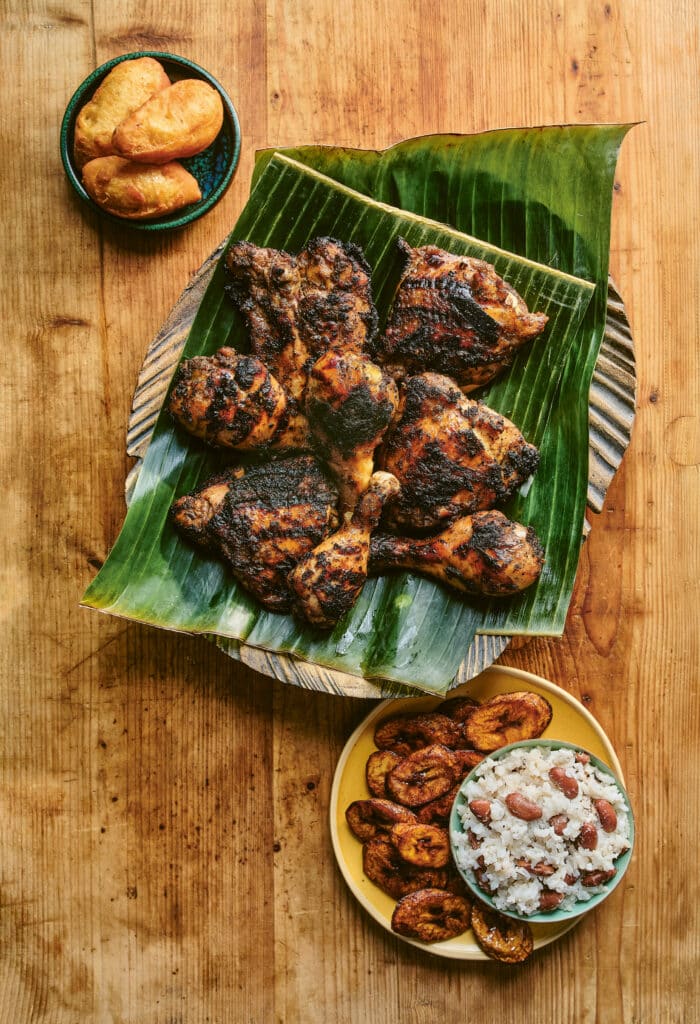
Opened in 2015, in its original concept, The Food Sermon was intended to be a catering kitchen with takeout options, but things quickly shifted when a New York Times Hungry City feature drew a new surge of customers that Williams hadn’t anticipated.
GET THE RECIPE: Jerk Chicken by Chef Rawlston Williams
“Sometimes when you build something, peopleshow up unexpectedly and start giving reviews. It wasn’t something I considered,“ Williams shares. As the business grew in notoriety, Williams’ menu evolved. He originally offered only island bowls, which were not traditional Caribbean dishes but were inspired by them.
Eventually, he expanded the menu to include items he called “the usual suspects,” which were the staples customers expected at Caribbean restaurants, such as brown stew chicken, curry goat, and roti.
However, when the COVID-19 pandemic hit, like many in the restaurant industry, The Food Sermon was impacted. It relocated to the Brooklyn Navy Yard, shifting to a fast-casual model before eventually closing completely. Williams, ready to take a step back, began evaluating and brainstorming his next move, already in the midst of his next major undertaking: recipe development for “The Caribbean Cookbook.”
RELATED: Caribbean Chef Renee Blackman Cooks With Passion on the Cutting Board
Developing The Caribbean Cookbook
“Sometimes you get an opportunity to do something just because you’re in the right place at the right time, but it can also be an invitation to hold the door open for others. That’s what this book is about,” Williams says.
Williams had been asked to write a cookbook several times, but kept turning down opportunities. Then, in 2018, his commissioning editor came to him with the age-old question,”If not you, then who?”
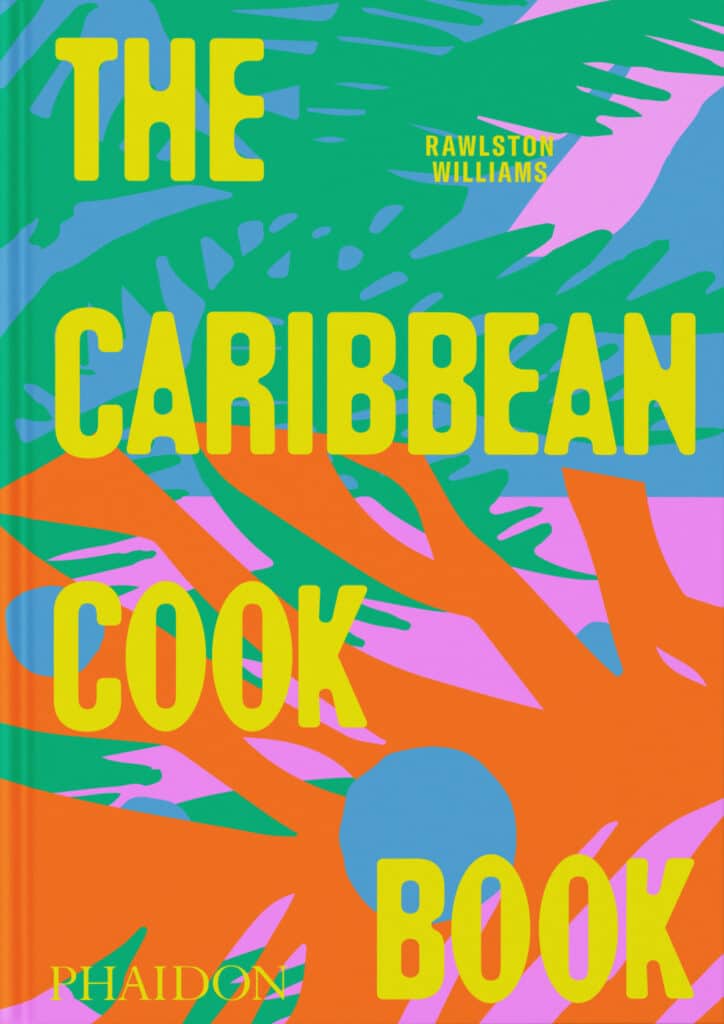
Williams signed his book deal shortly thereafter, but it was nearly two and a half years before his spark came. At the height of the pandemic, Williams spent his days developing recipes and taking a deep dive into the vastness of foods and dishes from across the Caribbean. He was intentional about capturing the nuance of varied dishes and preparations, ultimately submitting over 420 recipes to his editor in his initial pass.
Like others in the Phaidon cookbook collection, “The Caribbean Cookbook” is geography-based, spanning 28 countries and islands. It features over 380 recipes, including seasoning, sauces, grains, and stews, as well as chapters that center on seafood, meats, and beverages.
“The thing about Caribbean food is that you just can’t pick it up and cook. It takes practice,” says the chef-author. Noting that the book is designed for a novice who wants to be introduced to Caribbean flavors. He continues, “It gives a foundational feel of what the cooking is and what the culture is.”
The book made its debut on Tuesday, April 14 and will be accompanied by a dinner series where he will collaborate with various chefs to create once-in-a-lifetime Caribbean-inspired meals at their restaurants.
Among his collaborators will be chef Nina Compton at Compere Lapin in New Orleans, chef Paul Carmichael at Kabawa in New York, and chef Wayne Sharp at Mangrove in Miami, as well as others across Atlanta, New York, and Puerto Rico.
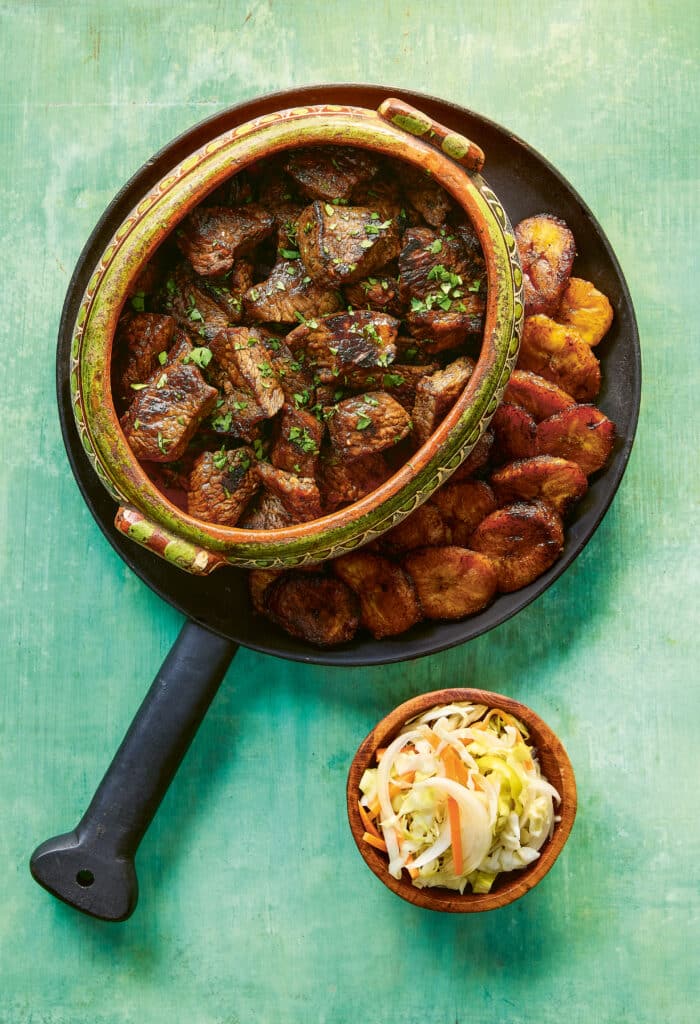
GET THE RECIPE: Beef Tasso by Chef Rawlston Williams
As Williams prepares to launch, he is excited to see how “The Caribbean Cookbook” is received and what opportunities are opened to him and to others as a result. However, one aspect that remains core to him is his family, those early teachings from his Aunt, and the unwavering love of his mother, who remains one of his most loyal supporters.
He also believes that this is the right time for “The Caribbean Cookbook” to enter the world and could help change perceptions. “When you think about Caribbean food, the ground is fertile, and we’ve been germinating for a while, and now we’re ready to blossom,” Williams reflects.
“If you look at the landscape, [Caribbean food] is no longer viewed as a homogenized thing. You can actually go and have a fine-dining experience. A lot of people weren’t thinking about us that way before, and a lot of people still aren’t.”
Order “The Caribbean Cookbook” online at the Food Temptress Cookbook Store and follow Ralwston Williams on Instagram to learn more about the upcoming cookbook tour and restaurant collaborations.
Read the full article from the original source
