




Aging Well: News & Insights for Seniors and Caregivers
- Prioritize listening and presence: allow seniors to share memories and emotions without judgment, using simple supportive phrases.
- Help maintain social connections by encouraging family visits, community activities, grief support groups, and regular contact to reduce loneliness.
- Provide practical assistance with routines, meals, medications, and appointments while encouraging independence and healthy habits for wellbeing.
Losing a spouse or longtime partner is one of life’s most difficult experiences. For many older adults, a husband, wife, or partner has been their companion for decades—someone who shared daily routines, major life milestones, and countless memories.
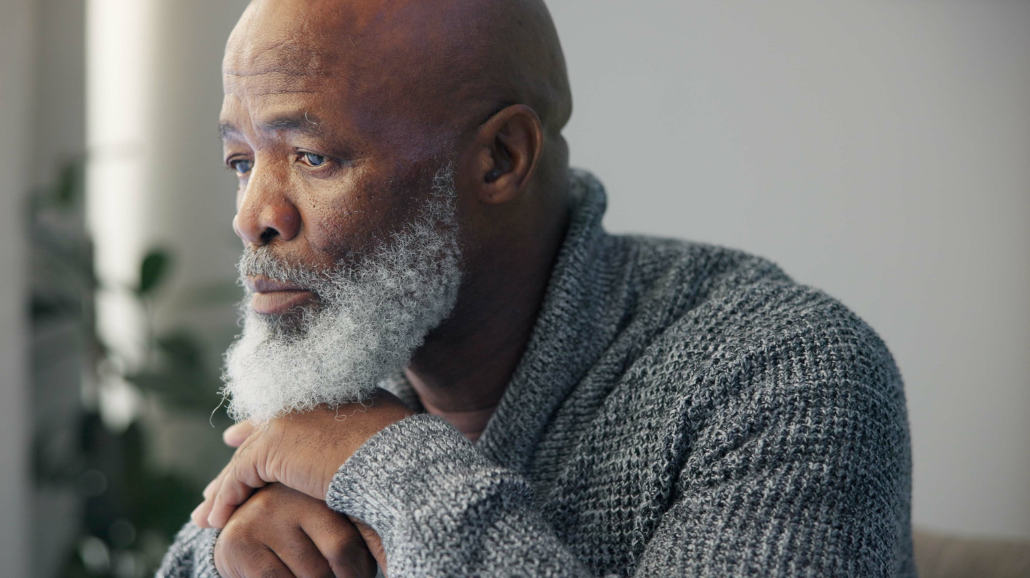
The death of a spouse can leave seniors facing not only overwhelming grief but also significant changes in their daily lives. Tasks once shared may now feel daunting. Social circles may shrink. Loneliness can become a constant companion.
While grief is a natural response to loss, family members and caregivers can play an important role in helping seniors navigate this challenging chapter. Understanding the grieving process and providing compassionate support can help aging loved ones find comfort, purpose, and connection as they adjust to life after loss.
Understanding Grief in Older Adults
Every person experiences grief differently. There is no timeline for healing and no “right” way to mourn.
Some seniors openly express their sadness and emotions. Others may appear stoic or focus on practical matters instead of discussing their feelings. Many experience a combination of emotions, including:
- Sadness
- Anger
- Guilt
- Anxiety
- Confusion
- Loneliness
- Relief (especially after a long illness)
It’s important to remember that grief isn’t always linear. A senior may seem to be coping well one day and feel overwhelmed the next. Special dates, anniversaries, holidays, and everyday reminders can trigger intense emotions months or even years after the loss.
Recognizing Signs That a Senior Is Struggling
While grief is normal, prolonged isolation or severe emotional distress may indicate a need for additional support.
Watch for senior grief signs such as:
- Withdrawing from family and friends
- Loss of interest in hobbies or favorite activities
- Significant changes in sleep patterns
- Poor appetite or weight loss
- Difficulty managing daily tasks
- Neglecting personal hygiene
- Increased alcohol use
- Persistent feelings of hopelessness
- Expressions of wanting to give up or not continue living
Grief can also affect physical health. Research has shown that older adults may experience increased health risks following the death of a spouse, making emotional and practical support especially important during this time.
Listen More Than You Talk
When helping a grieving senior, many people feel pressure to say the perfect thing. In reality, your presence often matters more than your words.
Instead of trying to fix their grief, focus on listening.
Allow your loved one to share stories, memories, and emotions without judgment. Let them talk about their spouse as often as they need. Sometimes they may cry. Other times they may laugh while reminiscing.
Simple statements can be surprisingly comforting:
- “I’m here for you.”
- “Tell me about them.”
- “That sounds like a wonderful memory.”
- “I know how much they meant to you.”
Avoid minimizing their feelings with phrases like “Everything happens for a reason” or “At least they lived a long life.”
Help Maintain Social Connections
One of the biggest challenges is loneliness after losing a spouse.
Many couples build their social lives around shared friendships and activities. After a spouse dies, surviving partners may feel uncomfortable attending events alone or may gradually withdraw from social opportunities.
Encourage your aging loved one to maintain connections with others by:
- Inviting them to family gatherings
- Encouraging participation in senior centers
- Helping them attend religious services
- Exploring community classes or clubs
- Scheduling regular visits or phone calls
- Introducing them to grief support groups
Strong social connections can help reduce social isolation in seniors and provide valuable emotional support during the grieving process.
RELATED CONTENT: Ways to Help Seniors Socialize & Avoid Isolation
Support Daily Routines
The death of a spouse often disrupts everyday routines. Suddenly, tasks that were once shared become the responsibility of one person.
For some grieving spouses, managing household responsibilities, meal preparation, finances, transportation, or medication schedules can feel overwhelming.
Offer practical assistance while encouraging independence whenever possible.
You might help with:
- Grocery shopping
- Meal planning
- Transportation
- Household chores
- Organizing paperwork
- Managing appointments
Establishing new routines can provide a sense of stability and help seniors regain confidence as they adapt to life on their own.
Encourage Healthy Habits
Grief can take a toll on both emotional and physical health. Some seniors lose interest in eating, exercising, or maintaining healthy habits after the loss of a spouse. Unfortunately, neglecting self-care can increase the risk of illness and depression.
Encourage healthy behaviors such as:
- Eating nutritious meals
- Staying hydrated
- Taking medications as prescribed
- Getting adequate sleep
- Spending time outdoors
- Participating in light physical activity
Even small steps can improve mood and overall well-being.
Help Them Find Purpose Again
One of the hardest parts of losing a longtime partner is adjusting to a new identity. After decades of being part of a couple, seniors may wonder what their future looks like without their spouse.
Finding new sources of meaning can help. Encourage activities that bring joy, fulfillment, or a sense of purpose, such as:
- Volunteering
- Mentoring younger generations
- Pursuing hobbies
- Joining clubs or organizations
- Caring for pets
- Participating in faith communities
Purpose doesn’t replace grief, but it can help seniors continue building a meaningful life while honoring their loved one’s memory.
Consider Professional Support
Sometimes additional help is needed to provide a widow with support. A grief counselor, therapist, or bereavement support group can provide tools and guidance that family members may not be equipped to offer.
Professional support may be especially beneficial if a senior experiences:
- Prolonged depression
- Severe anxiety
- Social withdrawal
- Difficulty functioning independently
- Persistent feelings of hopelessness
Seeking help is not a sign of weakness. It can be an important step toward healing.
The Importance of Companionship
Grief doesn’t disappear after the funeral ends. In many ways, the most difficult period begins when family members return to their normal routines and the reality of everyday life sets in.
Regular companionship can make a tremendous difference for seniors coping with the loss of a spouse or longtime partner. Whether through family visits, community involvement, friends, or professional caregivers, meaningful social interaction helps reduce loneliness and provides emotional support.
Most importantly, remind your aging loved one that they don’t have to face this journey alone. While life may never look exactly the same, compassionate support can help them find comfort, connection, and hope for the future.
Read the full article on the original source
