




Health Watch: Wellness, Research & Healthy Living Tips
- Tackle rising energy prices that ballooned after conflicts in Ukraine and Iran; reduce household and business bills.
- Address gas price volatility from COVID disruptions and geopolitical tensions to stabilize wholesale energy markets.
- Bring down consumer and business electricity costs linked to gas prices through targeted policy and support measures.
- Rebuild a broad climate policy consensus in the U.K. to enable a coherent long term energy strategy.
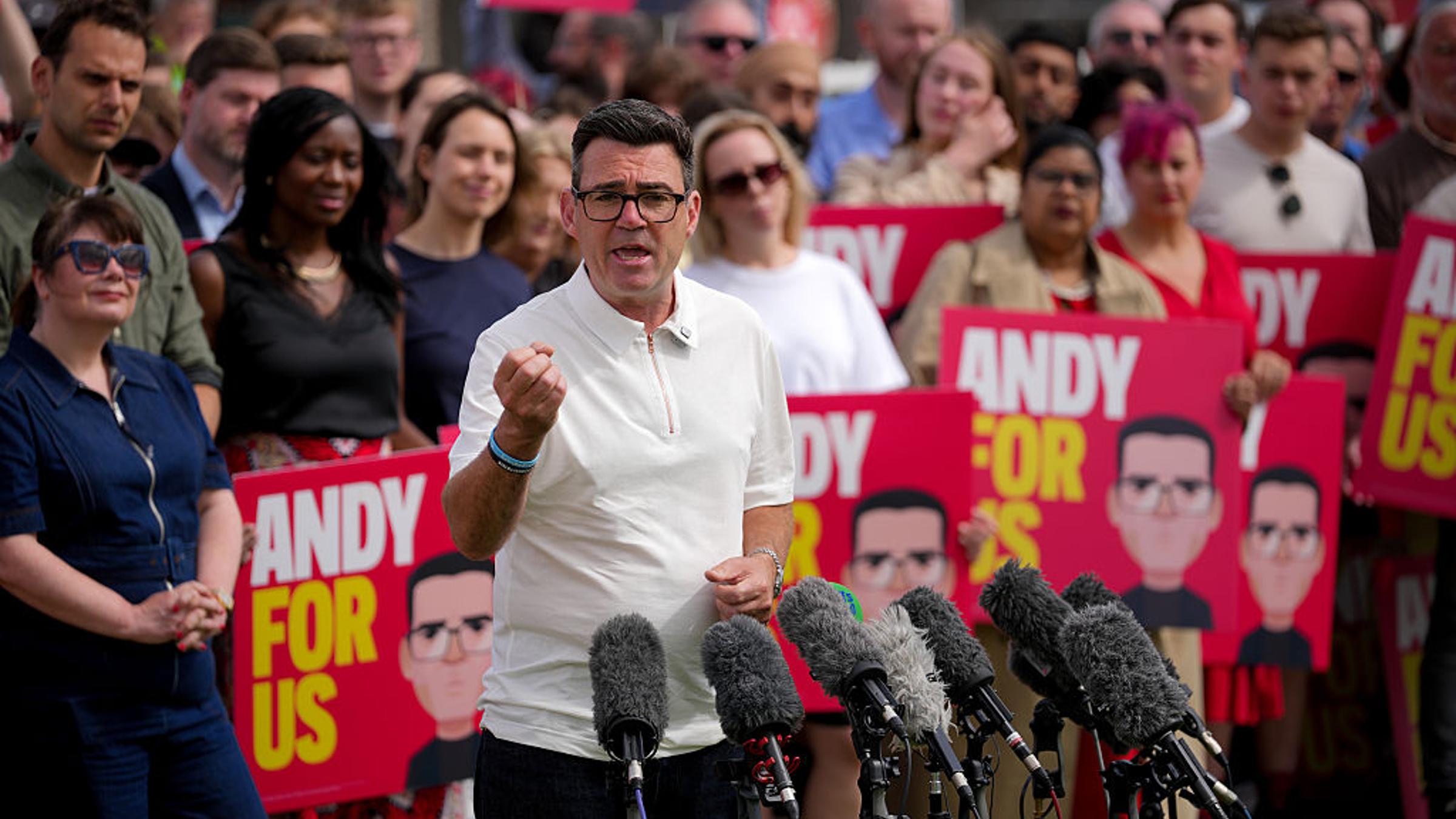
But Andy Burnham, the former Greater Manchester mayor who won a seat in Parliament last week and is largely expected to succeed Keir Starmer as head of the Labour Party and government, will have to contend with a new “political fracturing” when it comes to climate action in the U.K., says Leo Mercer, policy fellow at the Grantham Research Institute on Climate Change and the Environment.
“There’s been a broad consensus for a long time in the U.K. on climate policy,” says Matthew Lockwood, professor of energy and climate policy at the University of Sussex. “We no longer have that.”
What climate and energy issues will the next U.K. prime minister face?
The next prime minister is expected to inherit a number of issues when it comes to climate and energy policy.
Most importantly, is finding a way to bring down rising energy prices, which have ballooned following conflicts in Ukraine and Iran. “That’s where the political fracturing is, given the increases in gas prices from COVID, Ukraine, the Iran conflict,” says Mercer. “That’s linked to the price that consumers and businesses pay for electricity. So one of the key challenges [for] Andy Burnham, or whoever the prime minister is, will be to figure out ways that we can reduce that.”
Read the full article on the original source
