




Stay Informed: Latest News from Across Georgia
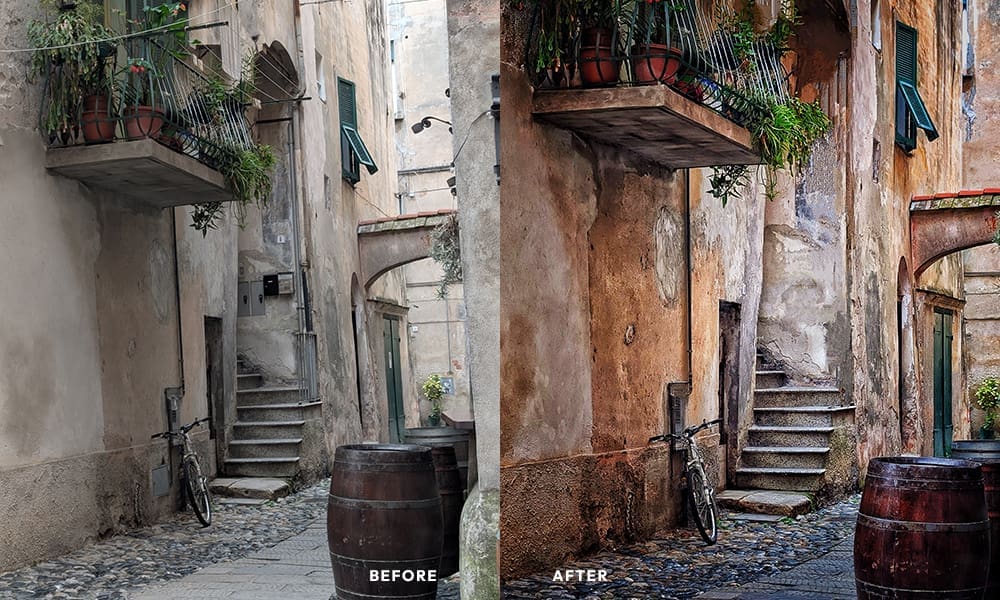
- Rainy Chastine photographs small joyful details like bikes, roses, and textured stucco, inviting viewers to slow down and notice beauty.
- Classically trained eye guides natural edits to reveal color and light; images are handcrafted, often shot on a Google Pixel 9 Pro.
- Photography is a habit of attention; one image can become a breadcrumb trail back to a hidden place, like rediscovering Caligula.
Travel Photos Through the Eyes of Fayette’s Rainy Chastine
Most tourists arrive in Italy with a checklist.
The Colosseum. The Leaning Tower of Pisa. Venice’s canals. The Vatican.
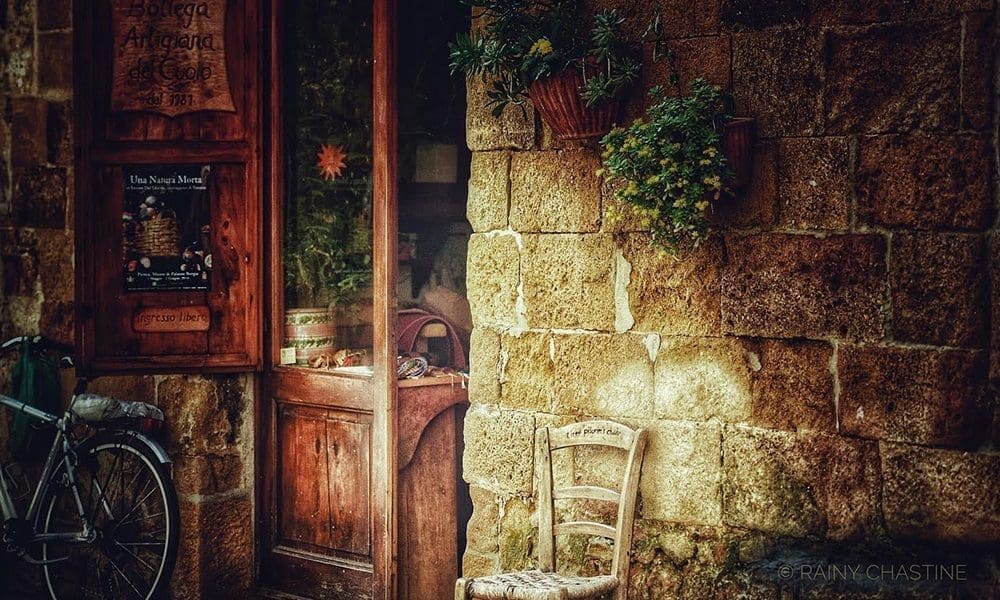
Rainy Chastine arrives looking for a bicycle leaning against a weathered wall.
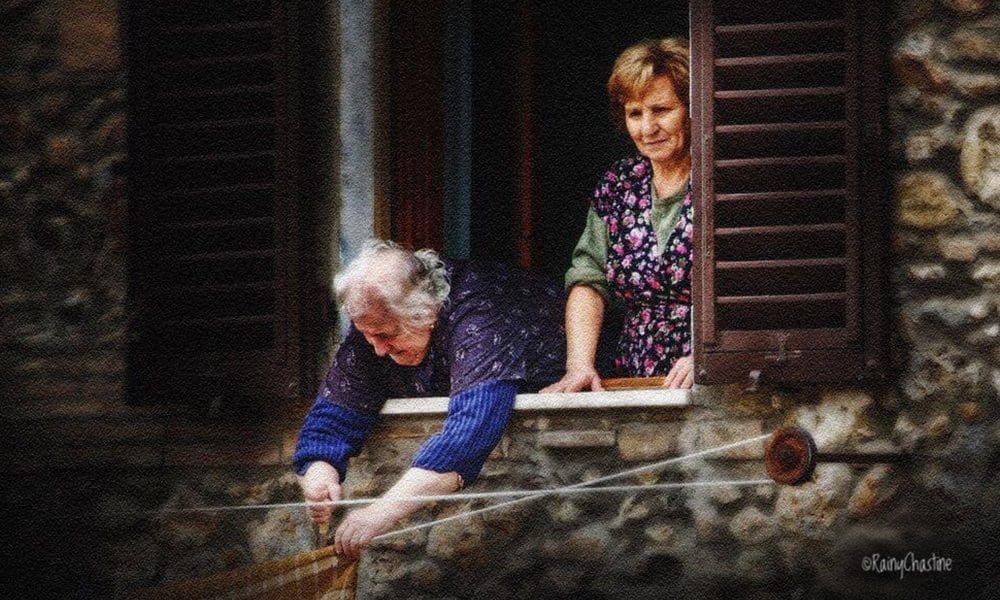
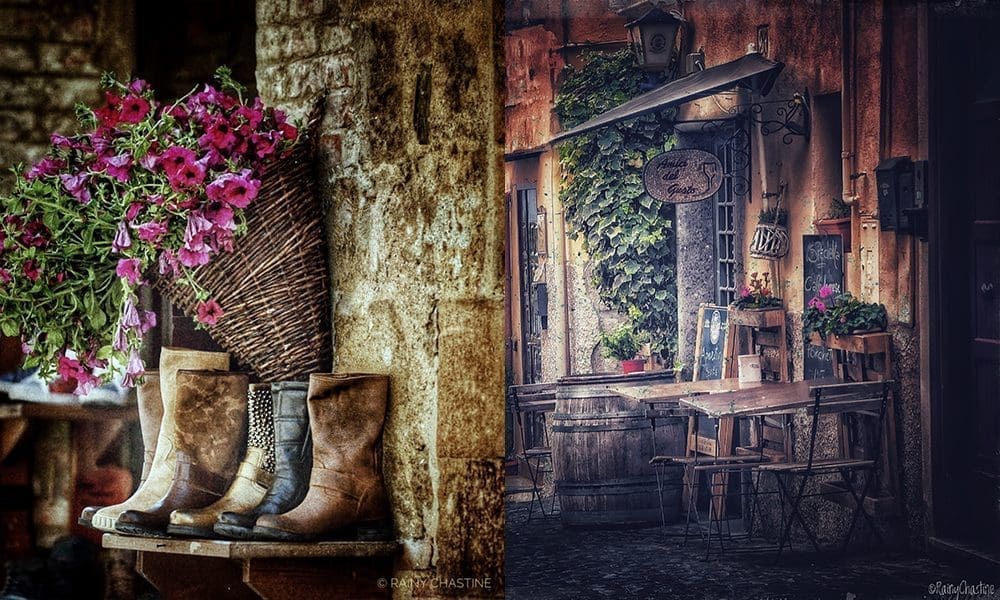
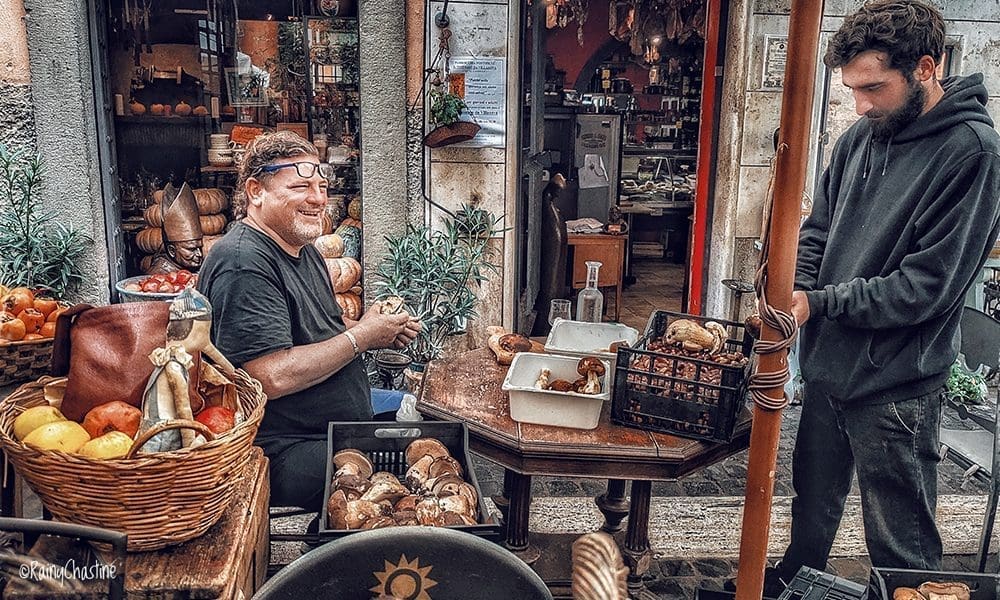
She notices the worn leather of handmade shoes in a storefront window. The way afternoon light settles across faded stucco. A rose climbing an ancient stone wall. The older gentleman in a patched sweater sitting outside a café talking with friends.
Those are the moments she photographs.
“I just try to look at things that are pretty and makes me happy,” Chastine said. “I think if you look for happiness and beauty, that you can find it no matter where you are. So I just kind of practice looking for little things that people walk right by.”
The result is a collection of color-saturated travel photographs that feel less like postcards and more like invitations to slow down.
For Chastine, Italy remains a favorite subject.
“I’m going to start with Italy, just because it’s my favorite,” she said. “I love to photograph the villas and the stucco walls and the people and things like that.”
Looking beyond the landmarks
Many photographers seek grand landscapes or famous landmarks. Chastine does photograph those places, but they are rarely what captures her attention.
“Yes, I’ve shot the Eiffel Tower and the Statue of Liberty,” she said. “But I look for just little things like how the light plays on the walls, or how that rose looks really pretty nestled up to that textured wall.”
Her philosophy is surprisingly simple.
“I just hope that somebody else can see the beauty in it too,” she said.
That search for beauty became even more meaningful after decades spent photographing other people.
For 25 years, Chastine operated a photography business in Fayette County, photographing children and families. Many local residents likely have a Chastine portrait tucked away in a family album somewhere.
After years of creating images for clients, she found herself wanting to photograph solely for the joy of discovery.
“It gets hard to make people smile all the time, and to be on all the time,” she said. “One of my greatest things is just like what makes me smile, and nobody cared. It didn’t have to be entered in competition, and a client wasn’t paying me to get it just right for what their vision was.”
Today, her camera follows her own curiosity.
“It’s just little silly things,” she said. “The bread, the bikes, the roses, the doorways. I don’t know. Other people get it, but it amuses me to no end.”
The art behind the image
The vibrant colors in Chastine’s photographs often lead viewers to assume she is heavily manipulating her images.
She quickly pushes back on that idea.
“Not one single iota of it is AI,” she said.
Instead, she describes her editing process as revealing details that already exist within the photograph.
“If you’ve ever been to a twilight afternoon sky, people don’t realize how much color is in a sky,” she said. “If you take it back and bump up the contrast and you bump up the saturation, you’ll be amazed at the color that’s there, that always was there.”
Her training as a photographer influences every image.
Chastine studies classical artistic principles, including composition, lighting, leading lines, vignettes, and the rule of thirds. Rather than changing what exists in the scene, she uses those techniques to guide a viewer’s eye.
“People may not even know why they like my work so much,” she said, “but it’s because I’m classically trained. It’s guiding the light.”
She compares the process to helping people notice something they may have overlooked.
“I love that I can guide the people into seeing the beauty that they literally might have just walked by,” she said.
A surprising camera choice
One detail may surprise photography enthusiasts.
Many of Chastine’s recent travel images were not captured with a professional camera at all.
Her preferred tool is a Google Pixel 9 Pro smartphone.
“The Google Pixel 9 Pro hands down beats any phone out there,” she said.
While she still owns professional Nikon equipment, she often leaves it at home.
The reason is practical. Travel photography frequently involves candid moments, crowded streets, and cultural settings where a large camera can draw unwanted attention.
“I’m more of a fly on the wall,” she said. “I can zoom in from far away, and they’ll never know it.”
Modern smartphones, she says, provide remarkable capabilities when paired with strong photographic fundamentals.
“All the tools are right there,” she said. “Contrast, saturation, light, dark, color balance. I’m not using any fancy tools.”
The technology may have changed, but the principles remain the same.
“The best camera in the world is the one that’s in your hand when you see something beautiful.”
Finding Caligula
One of Chastine’s favorite travel memories began with a photograph.
Years ago, she captured an image of a statue of Caligula in a small Italian village. Through careful composition, she photographed the imposing figure across a line of bistro tables, making it appear as though the ancient Roman emperor was serving dinner.
The image stayed with her.
Years later, she became determined to find the village again. Using photo metadata and GPS coordinates embedded in her original image, she tracked down the location and returned with friends.
After wandering the village, a local restaurant worker beckoned them inside and led them through a kitchen, down a narrow spiral staircase, and into a sprawling underground wine cellar filled with collections of antiques, armor, and curiosities.
Then she saw him.
“I walked around the corner, and I literally … my heart stopped, and I screamed,” she said. “It was Caligula.”
The statue had been moved underground.
“I just turned around and I just took a picture and I’m dying laughing because he’s why we came back to the village,” she said.
For Chastine, the story perfectly captures what she loves about photography.
One image can become a breadcrumb trail leading back to a forgotten place, a hidden village, or an unexpected memory.
Learning to see
Perhaps the most interesting thing about Chastine’s photography is that she believes anyone can learn to see the world differently.
The camera matters less than the mindset.
For her, photography is not really about equipment, software, or even travel.
It is about attention.
Over time, she says, looking for beauty becomes a habit.
“I don’t care if I just walked out my door,” she said. “I will find something that makes me smile.”
That philosophy fills every frame in this collection from Italy.
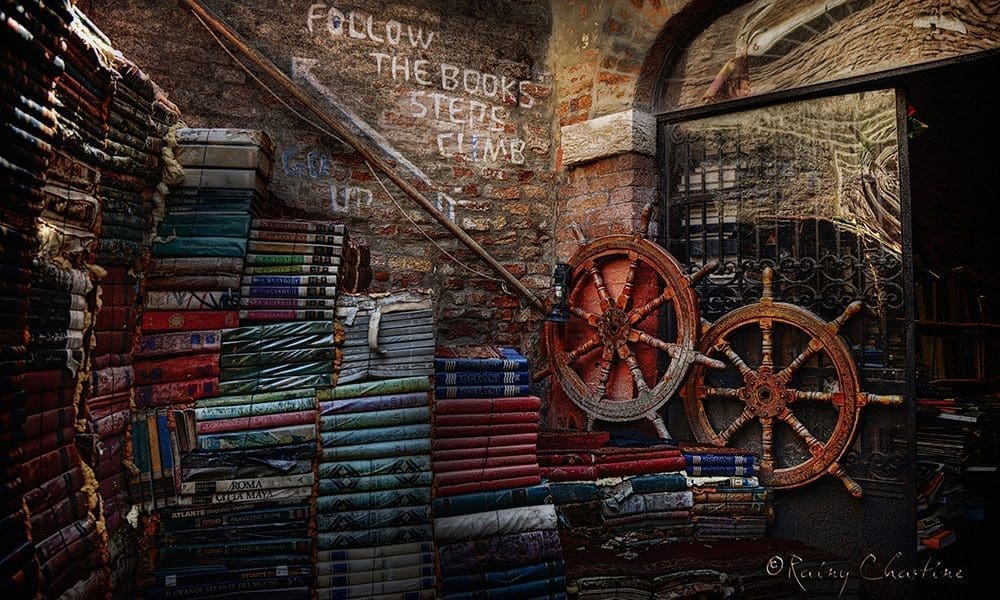
The bicycles, flowers, doorways, shoes, walls, and village scenes are not extraordinary because of where they were found. They are extraordinary because someone took the time to notice them.
And in a world that often rushes past the details, Chastine’s photographs offer a reminder that beauty is usually waiting in plain sight.
“If you look for happiness and beauty,” she said, “you can find it no matter where you are.”
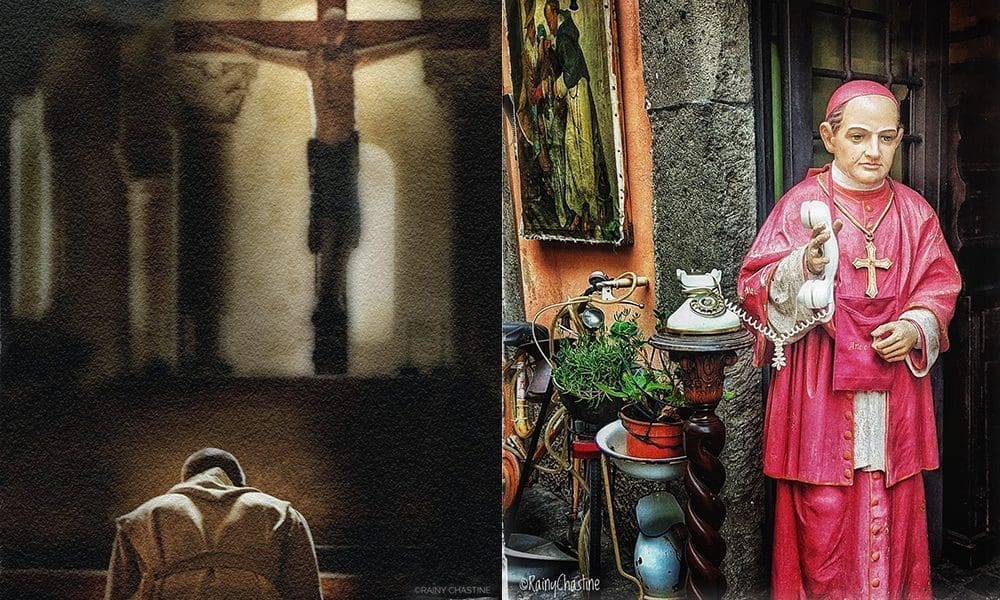
A humorous nod to the Pope. Castel Gandolfo home to the Pope’s Summer house. (Right)
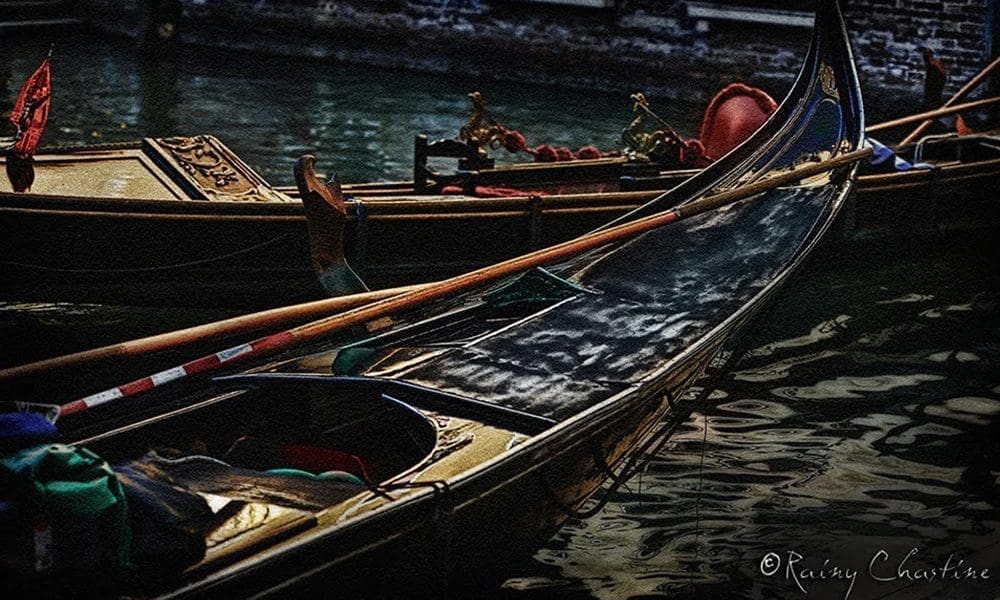
Acquaint corner by Lake Albano, one of my favorite images for some reason! Castel Gandolfo, Italy (Right)
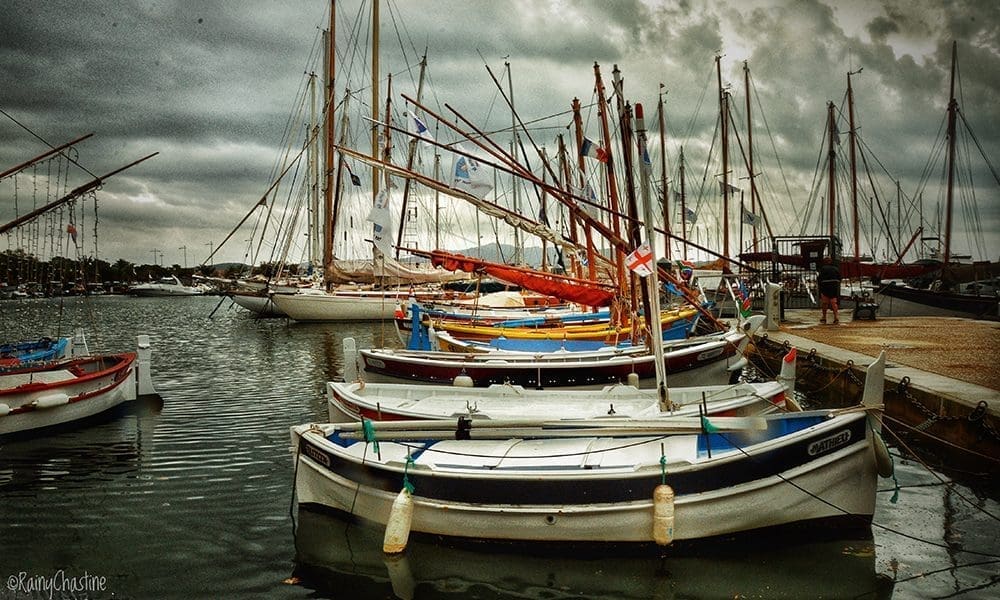
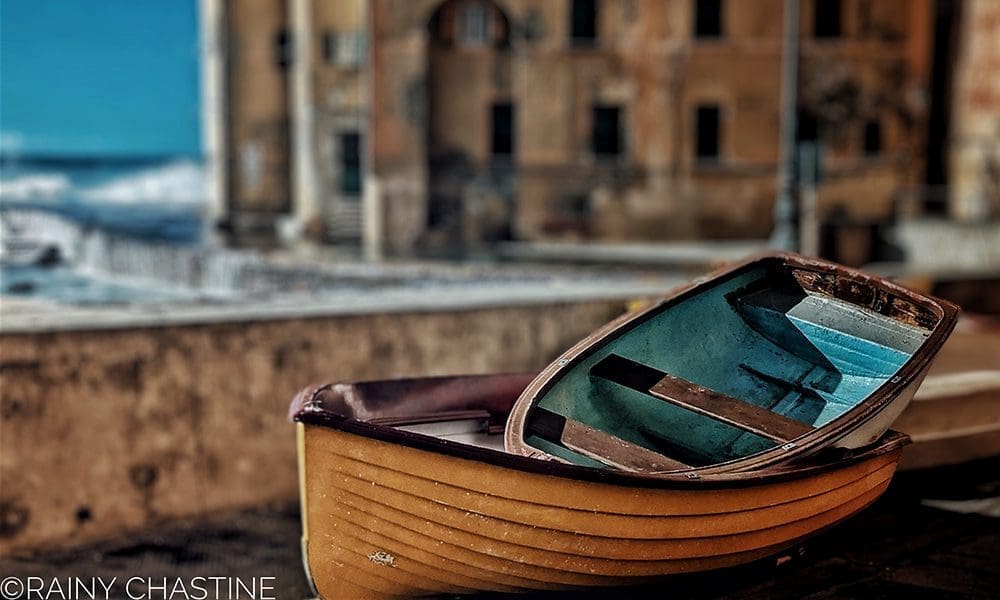
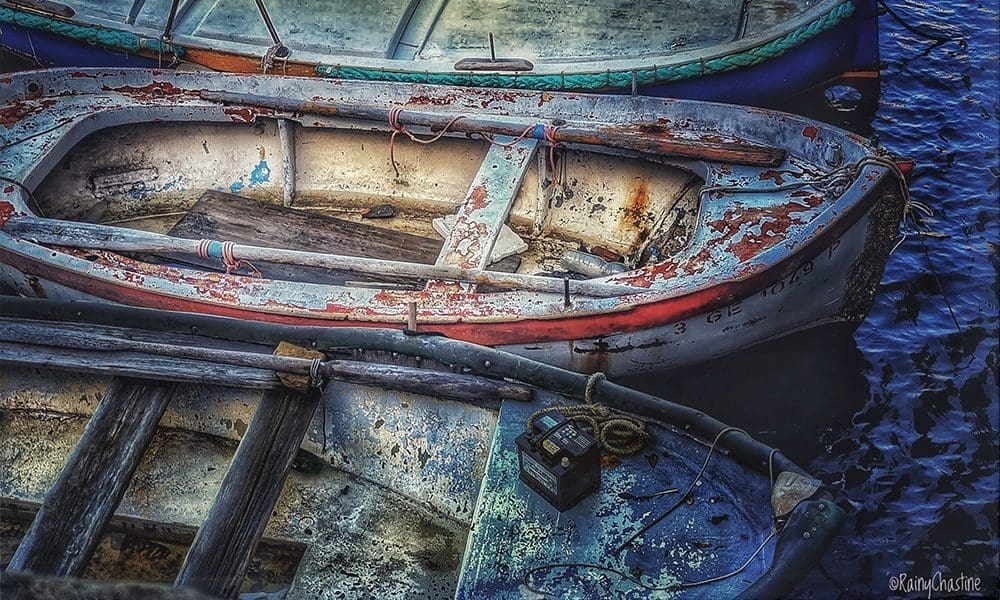
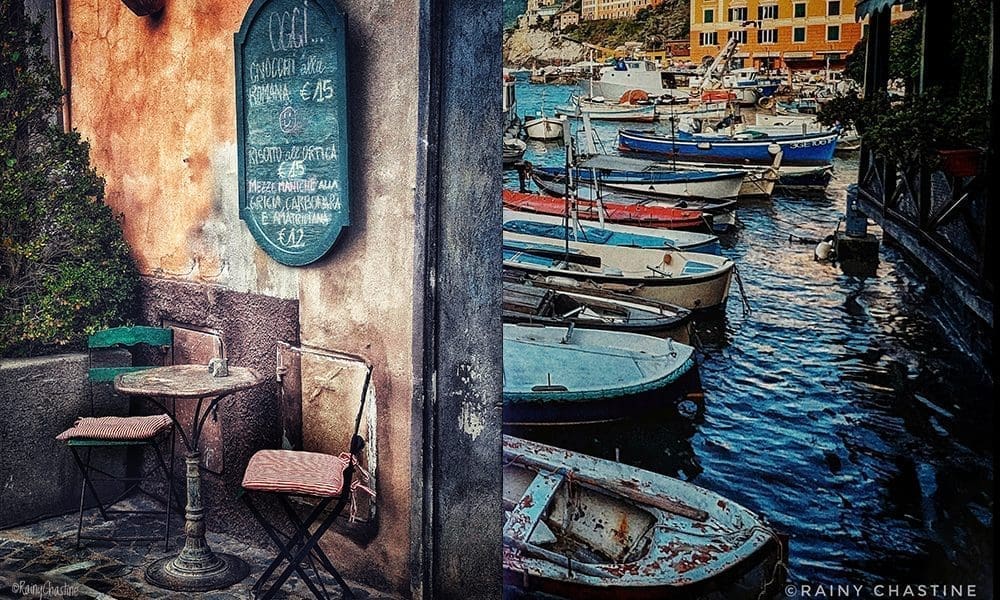
More boats Camogli. Italy (Right)
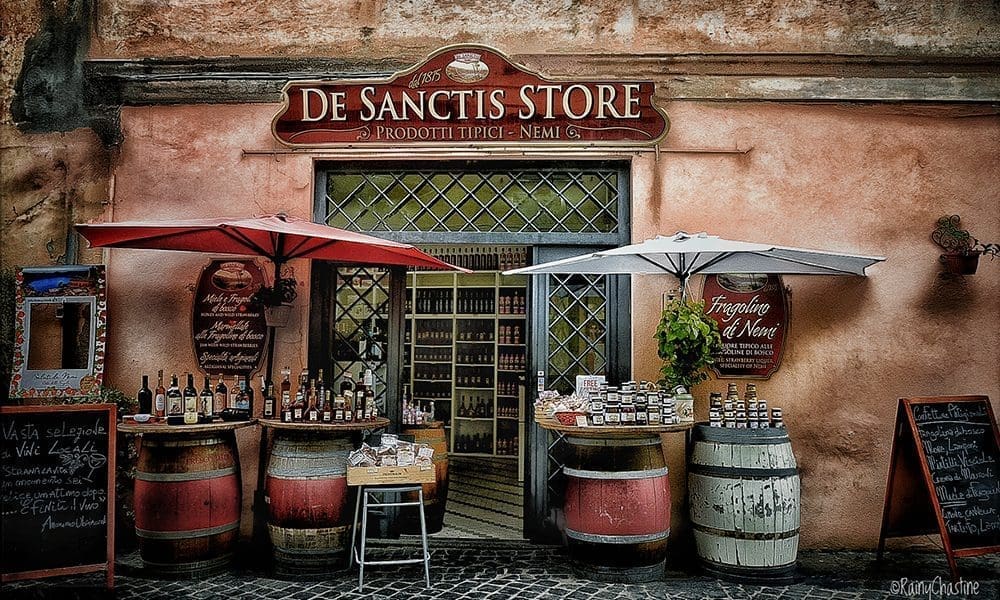
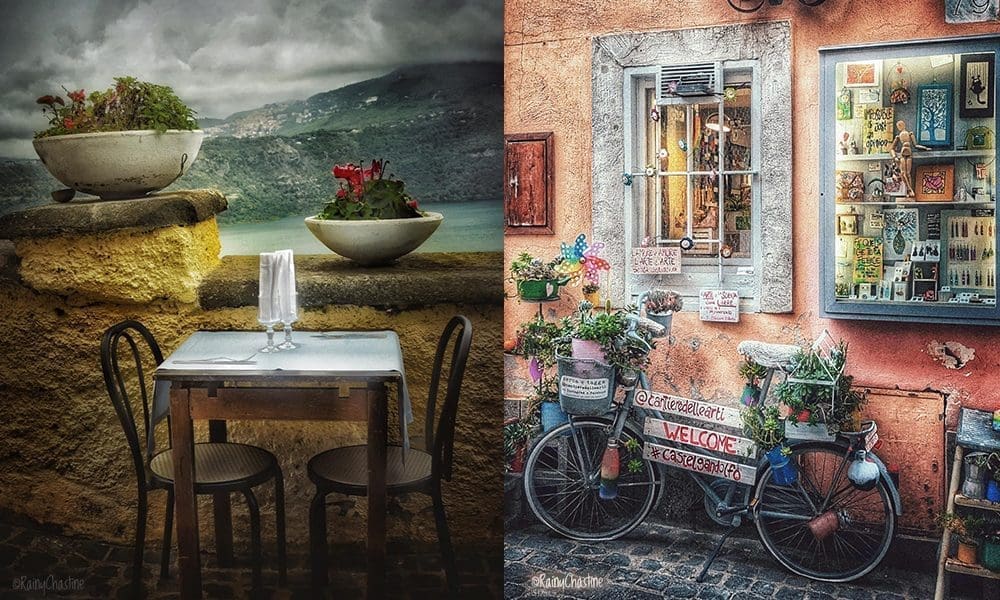
I have made it a point to seek out and photograph a bike and every single country I’ve ever been to this one was a delight since I also like textured walls. Castel Gandolfo. (Right)
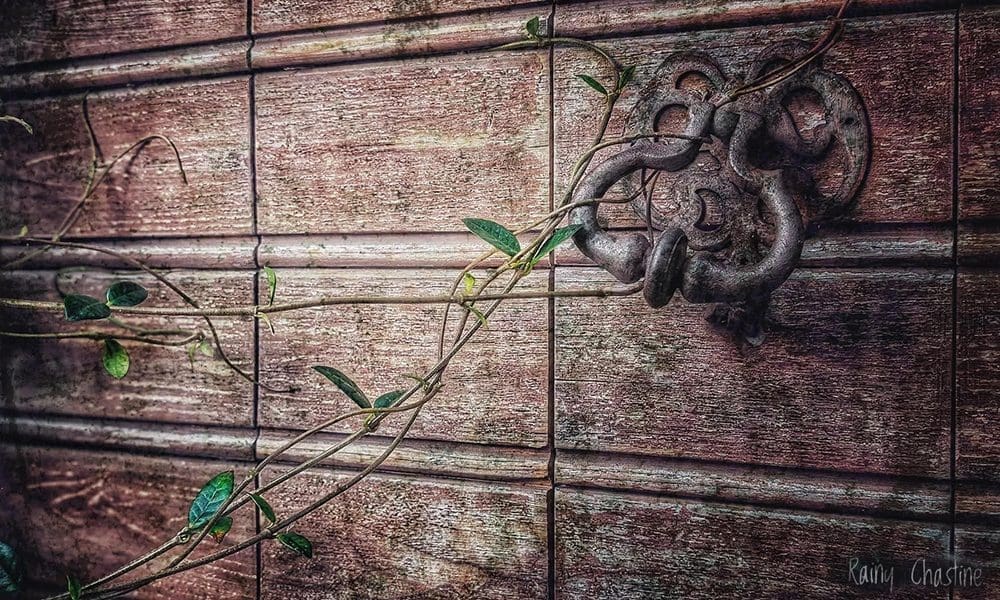
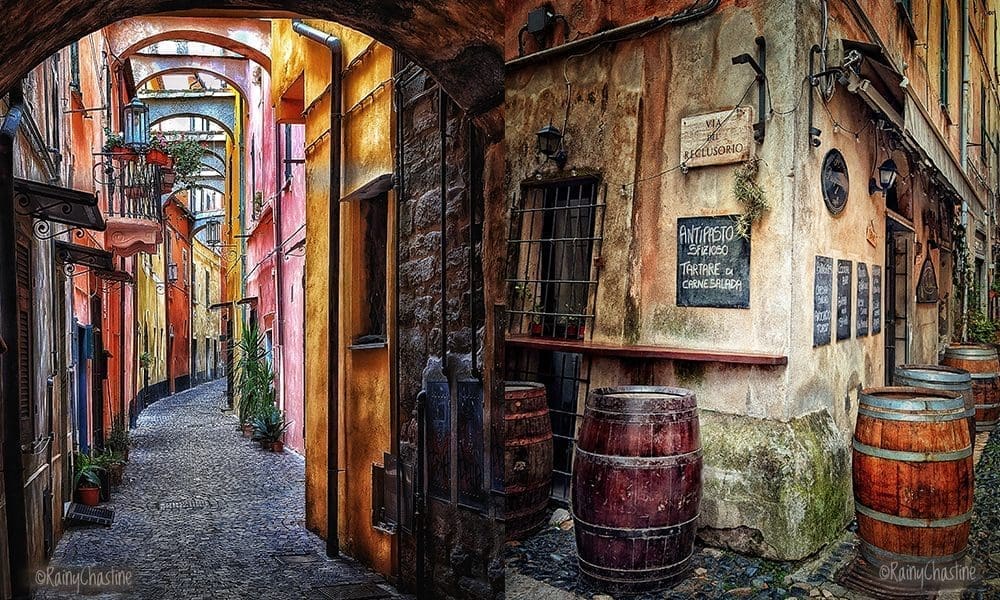
this little corner bar had so many elements texture and color & history. FINALE LIGURE, ITALY (RIght)
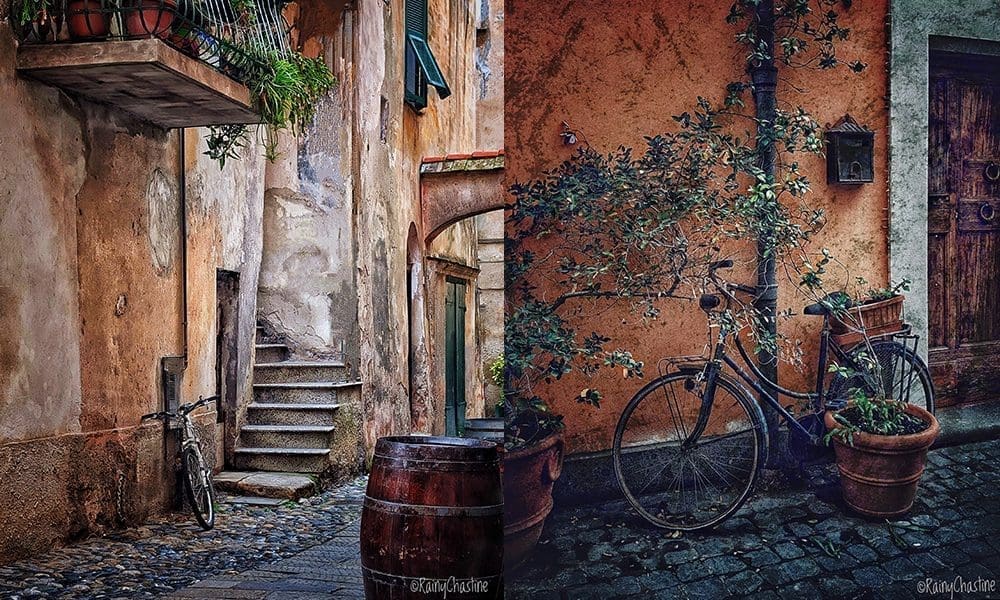
i’m obsessed with bikes and boats. What can I say? This was in Castel Gandolfo (Right)
Read the full article on the original site
