




Aging Well: News & Insights for Seniors and Caregivers
- Personalized in-home care helps seniors maintain independence by supporting daily routines and safety while respecting choices.
- Caregivers assist with personal care, meals, errands, transportation, and medication reminders to manage chronic conditions effectively.
- Regular monitoring and early detection of symptom changes reduces hospital readmissions and prevents emergencies.
- Companionship and emotional support combat loneliness, improve quality of life, and provide families peace of mind; Always Best Care personalizes plans.
For many older adults, home means more than just a place to stay. It holds memories, familiar routines, and a sense of comfort. That is why most seniors want to keep living at home as they age, even after a chronic illness diagnosis.
Conditions like heart disease, diabetes, arthritis, COPD, Parkinson’s, or other ongoing health issues can make daily life harder. Still, this does not always mean a senior needs to move to assisted living or a nursing home. With the right help, many can safely stay at home and keep their independence.
In-home care makes this possible by offering personalized help. It supports seniors in managing their health while letting them enjoy life in the comfort of their own homes.
The Challenges of Living with a Chronic Illness
Chronic illnesses usually need long-term care, not just a quick fix. Many seniors have to keep track of medications, doctor visits, diet changes, and physical limits, which can be tough to handle alone.
Common challenges include:
- Managing multiple medications and treatment plans
- Reduced mobility or chronic pain
- Fatigue that makes household tasks more difficult
- Increased risk of falls or injury
- Transportation to medical appointments
- Feelings of loneliness or social isolation
These issues can make daily life harder, but they do not have to stop seniors from living at home.
Maintaining Independence with the Right Support
A big advantage of in-home care is that it is personalized for each person. Instead of taking away independence, caregivers help seniors do as much as they can on their own and step in where extra help is needed.
This personal approach helps seniors feel confident and stay in control of their daily routines, while also lowering risks.
Assistance with Everyday Activities
Everyday tasks can get harder for someone with a chronic condition. In-home caregivers make these activities easier, while still letting seniors keep their independence.
Caregivers can assist with:
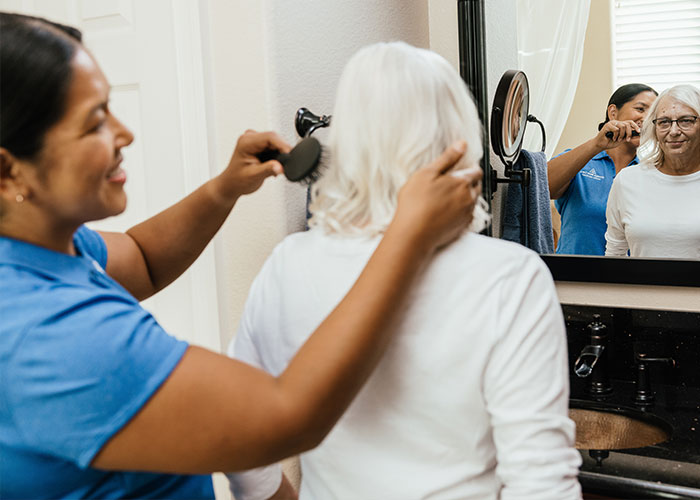
- Personal care, including bathing and dressing
- Meal planning and preparation
- Light housekeeping and laundry
- Grocery shopping and errands
- Transportation to medical appointments
- Medication reminders
When caregivers help with daily chores, seniors can save their energy for staying healthy and doing what they enjoy.
Supporting Better Health Every Day
Managing a chronic illness often depends on consistency. Missing medication, skipping meals, or not attending follow-up appointments can cause problems or even lead to hospital stays.
As such, following daily habits is key. In-home care can help with:
- Following prescribed medication schedules
- Eating balanced, nutritious meals
- Staying hydrated
- Participating in physician-approved physical activity
- Keeping medical appointments
These habits help seniors manage their health and support long-term well-being.
Reducing the Risk of Hospital Readmissions
Chronic illnesses can lead to more hospital visits if symptoms are not watched closely. In-home care adds extra support by helping families spot changes early, before they turn into emergencies.
Caregivers often notice subtle warning signs, such as:
- Changes in appetite
- Increased fatigue
- Difficulty walking or moving safely
- Shortness of breath
- Swelling or changes in mobility
- Confusion or changes in behavior
If problems are noticed early, families can reach out to healthcare providers before a small issue becomes something serious.
Emotional Well-Being Matters, Too
Chronic illness can impact emotional health as much as physical health. Many seniors feel frustrated, anxious, or lonely as they get used to new limitations.
Having company is a key part of in-home care. Someone to talk to, share meals, go for walks, or enjoy hobbies with can help seniors feel less alone and improve their quality of life.
For families, knowing a trusted professional is there to help brings real peace of mind.
How Always Best Care Helps Seniors Age in Place
At Always Best Care, we know every senior is different. Our caregivers team up with families to create care plans that fit each person’s health, lifestyle, and goals.
Whether your loved one has diabetes, is recovering from a stroke, has COPD, or faces several health issues, our caregivers offer caring support to help seniors stay safe, comfortable, and independent at home.
We help with everything from meals and medication reminders to companionship and rides. Our services support both seniors and the families who love them.
Independence Is Possible with the Right Care
A chronic illness might change how a senior lives, but it does not have to decide where they live. With the right support, many older adults can keep enjoying the comfort and independence of staying at home.
If your loved one has a chronic illness and needs extra help at home, Always Best Care is ready to support you.
Call Always Best Care at (855) 470-2273 to set up a care consultation and find out how our caring team can help your loved one stay safe, confident, and independent at home.
Read the full article on the original source
