




Aging Well: News & Insights for Seniors and Caregivers
- Decide on a path such as Care Partner, CNA, HHA, or PCA, then meet required qualifications and certification.
- Develop core qualities: compassion, patience, dependability, strong communication, observation, and willingness to learn.
- Gain memory care skills through ongoing training like Positive Approach to Care and practice dementia-informed communication and routines.
- Apply through The Kensington Falls Church Careers page, match qualifications to listings, and prepare examples showing teamwork and reliability.
If you are wondering how to become a caregiver, you may be looking for work that feels personal, practical, and meaningful.
Caregiving in senior living brings those qualities together. You support residents through everyday routines while building relationships based on dignity, trust, and respect.
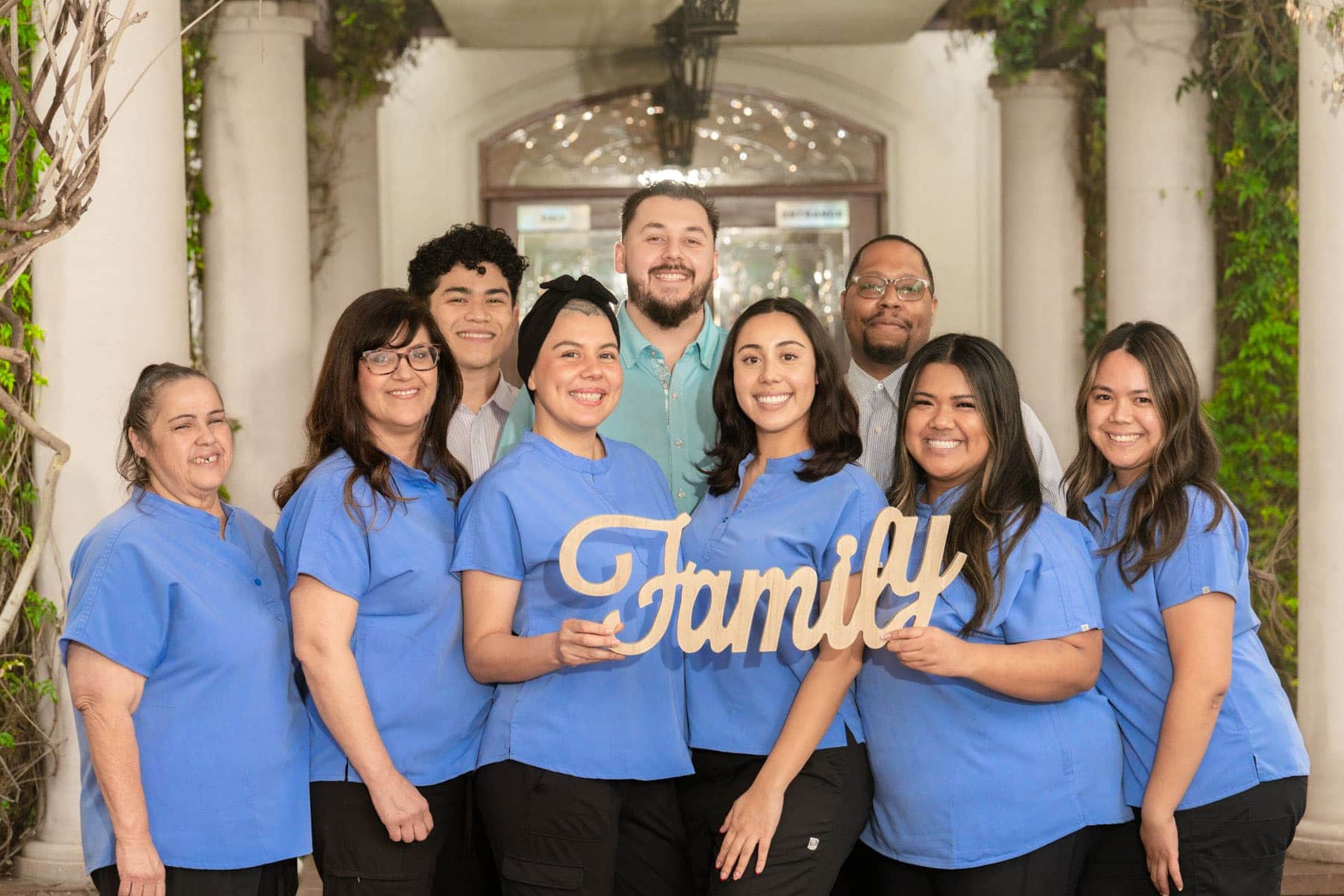
At The Kensington Falls Church, our Care Partners support residents in assisted living and memory care. Whether you already have caregiving experience or are considering a new career path, understanding the role can help you decide what comes next.
Our Promise is to love and care for your family as we do our own.
Quick Answer: How Do You Become a Caregiver in Senior Living?
There is no single path into caregiving. Requirements depend on the position you want to pursue.
In general, the process includes:
- Learn what senior living caregivers do.
- Decide which caregiving path interests you.
- Review the skills and qualifications required for that role.
- Complete any required training or certification.
- Explore assisted living or memory care opportunities.
- Apply for positions that match your background and goals.
Compassion, communication, dependability, observation, and respect are valuable in every caregiving role.
Visit our Careers page to review current openings and position-specific requirements.
What Does a Caregiver Do in Senior Living?
Senior living caregivers provide hands-on support while helping residents maintain as much independence as possible.
The exact responsibilities depend on the position and each resident’s individual needs.
Support Daily Routines
A caregiver may assist with:
- Bathing and personal care
- Dressing and grooming
- Mobility and transfers
- Mealtime support
- Other activities of daily living
These responsibilities require skill and attentiveness. They also require respect for the resident’s preferences, abilities, and routines.
Build Meaningful Connections
Caregiving is also relational.
Care Partners spend time with residents throughout the day. That creates opportunities to listen, offer companionship, encourage engagement, and become familiar with what helps each person feel comfortable.
Knowing a resident well can also help a Care Partner recognize when something seems different.
Communicate With the Care Team
Caregivers work as part of a larger team.
Depending on the role, responsibilities may include:
- Following individualized care plans
- Observing changes in physical or emotional well-being
- Sharing important updates with nurses or other appropriate team members
- Documenting care
- Participating in ongoing training
For a closer look at direct care roles with us, explore caregiver and Care Partner jobs in Falls Church.
What Is a Care Partner at The Kensington Falls Church?
At The Kensington Falls Church, our Care Partners provide direct, hands-on support to residents and may come from CNA, HHA, PCA, or related caregiving backgrounds.
The word “partner” reflects the relationship at the center of the work.
Our Care Partners provide hands-on support and learn residents’ routines, preferences, abilities, and needs. They work alongside nurses, life enrichment team members, dining team members, and community leadership.
A typical day may include:
- Helping a resident get ready in the morning
- Supporting mobility
- Assisting during a meal
- Offering reassurance during a difficult moment
Each interaction is an opportunity to help a resident feel known, respected, and supported.
Explore current opportunities with The Kensington Falls Church.
Do You Need Certification to Become a Caregiver?
Not every caregiving role has the same requirements.
Understanding the differences among common direct care positions can help you choose the right path.
| Role or Pathway | General Focus | What Applicants Should Know |
| Caregiver / Care Partner | Daily support, personal care, companionship, and resident routines | Qualifications vary by position |
| CNA | Certified Nursing Assistant providing direct care within an established scope | Requires a formal certification pathway |
| HHA | Home Health Aide providing personal and supportive care | Requirements can vary by role and setting |
| PCA | Personal Care Assistant supporting daily activities and personal needs | Requirements vary by position |
| LPN / RN | Licensed nursing roles with broader clinical responsibilities | Requires nursing education and licensure |
What About CNA Certification in Virginia?
If you want to become a CNA, use current state resources when researching education and certification requirements.
The Virginia Board of Nursing maintains information for prospective nurse aides, including approved education programs and applicant resources.
Review the Virginia Board of Nursing Nurse Aide Education Programs before choosing a training pathway.
For jobs at The Kensington Falls Church, always review the qualifications listed with the specific position before applying.
How to Become a Caregiver: Step by Step
Once you understand the role, you can begin narrowing your path.
1. Decide What Kind of Caregiving Interests You
Senior living offers several possible directions.
You may be interested in:
- Care Partner roles
- CNA positions
- HHA or PCA roles
- Assisted living
- Memory care
- A future nursing pathway
You do not need to plan your entire career before you begin. Focus first on the role that best matches your current interests, qualifications, and goals.
2. Review the Qualifications for That Path
Requirements differ between positions. Some roles may require an active credential or previous care experience. Others may have different entry requirements.
Before enrolling in a training program or applying, look closely at the qualifications for the position you want.
3. Complete Any Required Training or Certification
If your desired role requires certification, follow the appropriate education and credentialing process.
For example, CNA candidates in Virginia should consult the Virginia Board of Nursing for current requirements.
Job listings can also help you understand which credentials The Kensington Falls Church requires for a particular opening.
4. Explore Senior Living Opportunities
Consider where you would like to provide care.
Senior living can offer the opportunity to build ongoing relationships with residents because you support many of the same people over time.
You may also choose between assisted living and memory care based on your interests and experience.
5. Apply for a Role That Fits
Our Careers page is the best place to review current openings with The Kensington Falls Church.
Read each position carefully and apply for roles that align with your qualifications.
6. Prepare to Talk About How You Work With Others
An interview is an opportunity to show more than technical experience.
Think about examples that demonstrate how you:
- Communicate clearly
- Work cooperatively with others
- Stay calm when circumstances change
- Treat people with dignity
- Accept feedback
- Learn new routines
- Follow through on responsibilities
If you are interested in memory care, be prepared to explain why supporting those with dementia is meaningful to you.
Assisted Living vs. Memory Care: How Can Caregiving Differ?
The foundation of good caregiving remains the same. Residents deserve individualized support, dignity, respect, and meaningful connection.
However, the way Care Partners provide that support can vary based on a resident’s needs.
Caregiving in Assisted Living
Assisted living Care Partners may focus on:
- Personal care
- Dressing and grooming
- Mobility
- Mealtime assistance
- Daily routines
- Social connection
- Supporting independence
The goal is not to take over tasks a resident can still complete. Instead, assistance should match the individual’s abilities and preferences.
Caregiving in Memory Care
Memory care adds another layer of support.
Care Partners may need to adapt communication and routines as cognition changes. Their work can include:
- Using calm, clear communication
- Maintaining familiar routines
- Offering reassurance
- Using thoughtful redirection
- Watching for nonverbal cues
- Adjusting support as abilities change
- Helping maintain safety and comfort
At The Kensington Falls Church, memory support includes three distinct options:
- The Kensington Club: Early memory care for new and current assisted living residents.
- Connections: Early to mid-stage memory care.
- Haven: Mid to late-stage memory care.
Learn more about memory care in Falls Church or explore memory care caregiver jobs.
Training and Support at The Kensington Falls Church
Starting a caregiving role is only the beginning of learning.
At The Kensington Falls Church, ongoing training helps team members strengthen the skills needed for their specific roles and responsibilities.
Our approach to dementia support includes Positive Approach to Care training and education. This framework emphasizes:
- Understanding the individual
- Adapting communication
- Responding thoughtfully as abilities change
Care Partners also learn through collaboration with the broader team.
That shared approach can strengthen practical skills such as observation, communication, consistency, and individualized support.
Our work is guided by a commitment that shapes how we care for residents and their families: Our Promise is to love and care for your family as we do our own.
What Qualities Make a Good Caregiver?
Credentials can prepare you for specific responsibilities. Personal qualities also influence how effectively you support residents.
Compassion
Caregiving requires genuine concern for another person’s comfort and well-being.
Compassion should be paired with respect for each resident’s choices, history, and individuality.
Patience
Some routines take longer than expected.
A resident may need extra time to process a question, complete a task, or become comfortable with assistance.
Patience allows support to happen at the resident’s pace whenever possible.
Dependability
Residents and team members rely on caregivers to be consistent.
Following care plans, communicating changes, and completing responsibilities carefully all matter.
Communication
Care Partners communicate with residents, families, nurses, and other team members.
Strong communication includes listening carefully and knowing when to share information with others on the care team.
Observation
Care Partners spend meaningful time with residents.
Paying attention can help them notice changes in mood, behavior, comfort, mobility, appetite, or routine that should be communicated to the appropriate team member.
Willingness to Learn
Every resident is different.
Caregiving requires curiosity, openness to feedback, and a willingness to adapt your approach as needs change.
If these qualities reflect how you want to work, explore current caregiver opportunities.
Where Can a Caregiving Career Lead?
Direct care experience can become a foundation for continued growth in senior living.
Depending on your education, credentials, interests, and available opportunities, future paths may include:
- Additional direct care credentials
- Memory care specialization
- Medication-related roles, where applicable
- LPN or RN education
- Supervisory or leadership positions
- Life enrichment
- Other senior living departments
You do not need to choose that future path before you begin.
Experience as a caregiver can help you discover which aspects of senior living interest you most.
If nursing is your goal, explore our information about nursing careers in Falls Church.
You can also learn more about career growth in senior living.
How to Apply for Caregiver Jobs at The Kensington Falls Church
If you are ready to explore a caregiving career with us, begin with our Careers page.
Your Next Steps
- Visit the The Kensington Falls Church Careers page.
- Review current openings.
- Choose positions that match your qualifications and interests.
- Read each job description carefully.
- Follow the instructions to submit your application.
Current openings and qualifications can change, so the Careers page should be your primary source for available positions.
FAQs: Becoming a Caregiver
It depends on the position. Some roles may value relevant transferable experience, while others require specific caregiving experience, training, or credentials. Review the qualifications for each opening before applying.
At The Kensington Falls Church, Care Partner is our title for direct care roles that may include professionals with CNA, HHA, PCA, or similar backgrounds. Care Partners provide hands-on daily support while working as part of the broader care team.
Not every direct care position has identical requirements. Some roles may require CNA certification or another credential. Others may have different qualifications. The individual job listing provides the most relevant requirements.
Yes. Care Partners have important roles in memory care. This work may involve dementia-informed communication, familiar routines, reassurance, observation, and support adapted to changing cognitive needs.
Visit our Careers page to review current opportunities and follow the application instructions for the role that interests you.
Start Your Caregiving Career With The Kensington Falls Church
Learning how to become a caregiver starts with understanding both the responsibilities and the relationships at the heart of the work.
At The Kensington Falls Church, our Care Partners support residents through their daily routines while getting to know the individuals behind them.
If you are compassionate, dependable, eager to learn, and interested in making a difference in senior living, we invite you to explore what comes next.
Read the full article on the original source
