




Tomorrow’s Tech, Today: Innovation That Moves Us Forward
- AI-powered CGM revealed that even healthy foods like fruit juices can cause brief glucose spikes, prompting smarter food choices.
- Pairing carbs with protein, fiber, and healthy fats stabilizes blood sugar and reduces spike magnitude and duration.
- Short post-meal activity, like a 10 to 15-minute walk, meaningfully blunts glucose rises and improves glucose clearance.
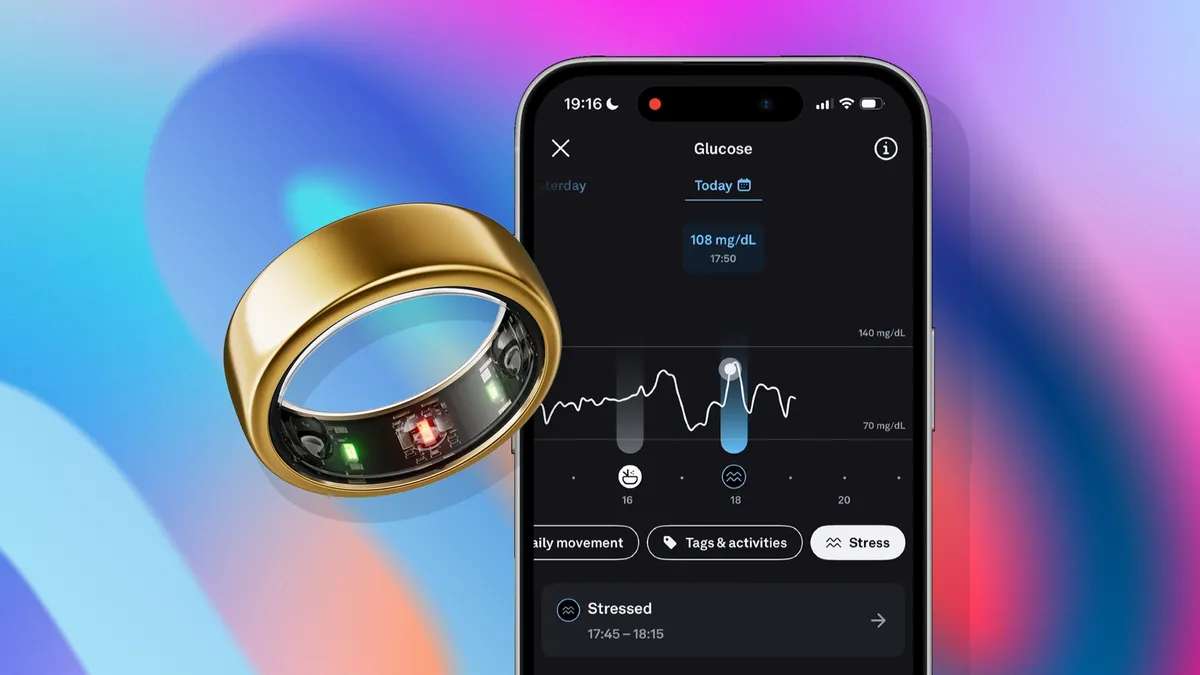
I’ve used my Oura Ring the past few years to track my sleep, recovery and stress. I’m constantly experimenting with the latest health tech, so I was naturally intrigued when Oura Ring recently partnered with Dexcom’s Stelo, a continuous glucose monitor designed to help everyday people like me understand how food and general eating habits affect our blood sugar and overall health.
“By combining Stelo data with Oura’s existing insights, we’re empowering members to better understand the cause-and-effect relationships between eating patterns, energy, mood and recovery — and ultimately make sustainable, science-backed lifestyle changes,” said Maz Brumand, vice president of product for Oura.

I tested the Stelo CGM with my Oura Ring for two weeks, and it changed the way I eat and move. This type of biofeedback is helpful for everyone, even those without diabetes.
Don’t miss any of our unbiased tech content and lab-based reviews. Add CNET as a preferred Google source.
What is continuous glucose monitoring, and why is it important?
Your blood sugar, or blood glucose, refers to the measurement of sugar in your blood. According to the Cleveland Clinic, glucose is the main source of energy for your body — it’s what powers your muscles, brain and even your cells. When you eat certain foods (particularly carbohydrates), your glucose rises, and your body responds by releasing insulin to shuttle that sugar into cells for energy or storage. But if you experience frequent spikes or crashes — even if you don’t have diabetes — it can affect your energy, sleep, mood and even long-term metabolic health. When your body doesn’t need glucose immediately, it stores it as glycogen in your muscles and liver.
For people with diabetes, monitoring glucose levels is crucial. But is it important to do the same for the rest of us without a diagnosis? To an extent, I think so. Monitoring your blood sugar throughout the day and seeing how your body reacts to different foods can reveal a lot about your cravings, sleep and metabolic health. “Glucose is a real-time window into metabolic health, which underpins how we feel day to day — our energy, focus, mood and sleep — and how resilient we are over time,” Brumand says.

Can I buy a glucose monitor over the counter?
With the rise of over-the-counter wearable glucose sensors like Stelo, those without diabetes can now get insights into how their eating habits affect their bodies (without finger pricks or a prescription).
Dexcom is a major player in the wearable glucose monitor market, but our guide to the best continuous glucose monitors offers a range of options with various features and prices.
What is a ‘normal’ glucose range, and are spikes bad?
Before using a CGM, I thought blood sugar was either stable or erratic, with no room for in-between spikes. Once I began tracking my glucose daily, I quickly learned that spikes are completely normal, especially after meals and snacks.
Most people will see glucose levels rise and drop throughout the day. According to the American Diabetes Association, a general target range for adults without prediabetes or diabetes is between 70 and 140mg/dL (note that Oura also follows this range, and it’s what users can expect to see in their graphs). It’s also worth highlighting that 70 to 100mg/dL is considered normal for fasting (particularly in the morning before having food), and under 140 mg/dL is common, especially after meals.
“Clinical studies show that even in healthy individuals, a moderate glucose spike (rise above 140mg/dL) can occur on a daily basis. In fact, research suggests that healthy adults will live above 140mg/dL for about 30 minutes, up to 2 hours a day, which is usually one to three short-lived glucose spikes,” says Renee Fitton, registered dietitian and director of education at L-Nutra, a nutrition technology company.

Fitton further explained that the number and frequency of glucose spikes depend on various factors, primarily what and when you’re eating. These spiked can also be affected by other factors like stress level, exercise, dehydration and even whether you have a sunburn.
Many glucose monitors use a custom range that adapts to your body’s baseline and patterns over time. When looking at your graph, it’s important to keep in mind that context and trends matter more than one-off spikes. For example, seeing a spike after dessert isn’t a sign that something is wrong. It’s a sign that your body is doing its job. What matters most is how quickly your glucose returns to baseline and how often your levels stay elevated over time.
I would not see signs for concern for occasional (one to three times per day) moderate spikes (less than 160mg/dL) that resolve within about 30 minutes. When reaching more frequent, especially if they are higher spikes (for example, above 180mg/dL), that take a long time to resolve (over 60 minutes), then there may be concerns about metabolic health,” Fitton explained. “A completely flat glucose curve is not something that we aim for; you want some gentle ups and downs as a sign of healthy metabolic flexibility.”
How I set up the Stelo monitor with my Oura Ring
You can order the Stelo sensor directly from Oura ($99 for two sensors). I received a small box with the sensors and easy instructions. Applying it to the back of my upper arm took less than 2 minutes and was surprisingly painless. And yes, there is a small needle involved. I’m terrified of needles, so I spent some time mentally preparing to prick myself, but to my disbelief, I didn’t feel it at all. The sound the ejector makes is pretty loud, though. I sometimes think the sound acted as a diversion to my brain, and that’s why I didn’t feel anything. But, nonetheless, it was a pain-free experience.
Once in place, I paired it to the Stelo app, and it automatically reflected within the Oura app. Each sensor tracks your glucose level 24/7 for up to 15 days.

From the Oura app, I could see how my glucose levels fluctuated throughout the day. You can easily access it at the top of the app, where you also see other data metrics like sleep, heart rate, activity and readiness score (a personalized score, ranging from zero to 100, that provides a snapshot of how well your body has recovered from the previous day’s activities and sleep).
Even my ‘healthy’ food choices raised my blood sugar (and that’s OK)
One of the most eye-opening parts of my testing was seeing how some of my favorite healthy staples played out on the glucose graph. A great example of this was my favorite pressed juice.
I had a pressed juice in the morning that contained pineapple, beets, carrots, ginger, cucumber and lemon. It’s nutrient-dense, but it also spiked my glucose above what’s considered my healthy range for about 6 minutes (a small window and still considered optimal for my age and overall metabolic health). This was enough to make me rethink how and when I consume fruit-heavy beverages.
The next day, I experimented with having a fruit smoothie instead of juice. I made a homemade smoothie with berries, banana, plant-based protein powder, peanut butter, soy milk and oats. This smoothie kept my glucose completely in range (zero minutes above my personal threshold). The added protein and fiber from the fruit, oatmeal, peanut butter and protein powder helped slow the absorption of natural sugars into my bloodstream.

What I learned: Even natural fruit juices can cause glucose spikes, especially when consumed on an empty stomach and without any protein or fiber. Smoothies that include protein, fat and fiber can help keep spikes at bay and help stabilize your energy levels.
Balance your meals with protein, fats and fiber

Later that week, I had sushi rolls with a side of edamame for dinner. To my surprise, my glucose levels stayed within range the whole time. Oura Advisor (Oura’s AI coach) even pointed out that this food combination offered protein and fiber, which likely contributed to the steady glucose levels. This moment was really encouraging for me. It made me realize that I don’t need to drastically change what I eat. By just being more intentional about how I pair my foods, I can drastically improve the impact they have on my blood glucose. Pairing your foods with healthy fats like avocados, nuts, seeds and olive oil can also slow digestion and therefore the absorption of sugars.
Fitton explains that this is primarily due to what happens in our digestive tract, even before the nutrients get to our bloodstream. Protein, fiber and healthy fats work in their own way to slow the absorption of simple carbohydrates into the bloodstream, making a slower, more gradual release of sugars into the blood. These factors turn what could be a glucose spike into a steady rise that your body can clear gradually.
The biggest area of concern when managing our blood sugar levels is limiting refined carbohydrates. When you do choose a refined-carb item (a plain cracker, white flour tortilla, cookies and so on), try to pair it instead of eating it solo: add cheese, nut butter or a handful of edamame to blunt the glucose rise, and choose a higher-fiber version of your carbohydrate source when possible (for example, whole-grain crackers) so the carbs come packaged with their own speed limit,” Fitton says.
Cake and a walk equal steady blood sugar?
One of the more surprising things I learned was that blood sugar stability isn’t just about what you eat. It’s also about what you do after you eat. One afternoon, I had a slice of cake for a snack. No fiber or protein added, just the cake (I had lunch a few hours before).
Instead of my blood sugar spiking, my glucose levels remained steadily in range. The caveat? I took a brisk walk after having my dessert. It wasn’t anything strenuous, just a short 15-minute walk around my neighborhood. But it was enough to help my body process and use the glucose more efficiently.
“The body knows that exercise demands more energy, and so it helps open up our cells to soak up sugar (energy) and remove it from our blood. A 10-minute walk burns about 30 to 40 calories, and your body will get that energy from circulating glucose or stored glycogen,” Fitton explained.

Taking a walk after meals has long been recommended by experts for metabolic health, but seeing the effect in real time made it click for me. I do think that having the cake after having a balanced meal with protein and fiber also contributed to my steady levels of blood sugar.
Sometimes, it’s not about completely eliminating our favorite treats or carbs, but more so about timing, food pairing and movement.
3 ways I learned to flatten my glucose curve without sacrificing my favorite meals
Before using the glucose sensor with Oura, I assumed blood sugar spikes were mostly about foods and how they impact your body. I also thought the only way to manage them was to cut carbs or drastically change my diet. But over these two weeks, I experienced firsthand how and when I eat (and move) matter just as much as what I eat. I learned that these three strategies helped keep my glucose levels in check.
Pair carbs and sweets with protein, fiber and healthy fats
When I had a berry smoothie with protein powder and soy milk, my glucose levels stayed steady. In contrast, when I had a fruit smoothie earlier that week, my blood sugar levels spiked and crashed more quickly.
Takeaway: Carbs on their own, especially refined and processed carbs, can spike blood sugar quickly, but adding protein or fat slows digestion and leads to a more gentle spike.
Food pairing examples: Apples and peanut butter, toast with avocado, rice with beans or another protein.

Walk it out (especially after sweets)
When I had cake as a snack, I was sure my graph would spike dramatically, but it didn’t because of my walk (and eating a balanced meal before).
A simple walk, even just 10 to 15 minutes, can help offset blood sugar spikes. This small but simple habit helps me now enjoy treats without the crash later.
Timing your food matters
I also noticed that when I ate higher-carb foods earlier in the day, my body processed them better than when I had them later at night. Breakfast smoothies and bowls kept my levels stable, while the same smoothie after 9 p.m. caused more spikes.
When it comes to blood sugar management, we see that in the morning our body usually has a spike in cortisol (a stress hormone) that can actually help our body take up sugar very quickly and quickly manage blood sugar. Eating in the morning will also calm the cortisol response, reducing the stress on your body. If you wait too long to eat, excess cortisol can create inflammation and also produce larger glucose spikes when you do eat,” explained Fitton.
Fitton further explained that, conversely, in the evening, the sugar management systems in our bodies start powering down and are not as good at helping blood sugar get into the cells. So it is important to try not to eat too late; otherwise, you’ll probably see blood sugar go up and stay up for longer.
That doesn’t mean you can’t eat carbs or treats at night, but eating them earlier in the day when insulin sensitivity tends to be higher can make a real difference.
Read the full article on the original site
