




Aging Well: News & Insights for Seniors and Caregivers
- Modify food textures: Serve soft, moist, or pureed foods and avoid dry, sticky, or tough items to reduce choking risk.
- Supervise safe eating: Ensure upright positioning, small bites, slow pace, minimal distractions, and regular sips of water during meals.
- Get professional help: Consult a speech or swallowing therapist, dentist, or doctor to evaluate dysphagia and adjust diet or medications.
Choking is a serious and potentially life-threatening issue that becomes more common as we age. Older adults are at higher risk for choking due to changes in swallowing ability, chronic health conditions, and other factors.
Swallowing difficulties — known medically as dysphagia — affect many older adults, especially those living with stroke, Parkinson’s disease, Alzheimer’s disease, or other neurological conditions. When swallowing becomes impaired, the risk of choking and aspiration increases, potentially leading to pneumonia, malnutrition, or dehydration.
Understanding why seniors are more prone to choking and learning how to prevent it can protect both safety and quality of life.
Why Are Older Adults Prone to Choking?
Several factors make older adults more susceptible to choking compared to younger individuals.
Swallowing Difficulties (Dysphagia)
Dysphagia is the medical term for difficulty swallowing. According to the National Institute on Deafness and Other Communication Disorders, swallowing disorders are more common in older adults, particularly those with neurological conditions.
Dysphagia can cause food or liquid to enter the airway instead of the esophagus, increasing the risk of choking or aspiration.
Common signs of dysphagia include:
- Coughing or choking during meals
- Food feeling stuck in the throat
- Drooling or difficulty managing saliva
- A wet or gurgling voice after swallowing
- Frequent chest infections
Left untreated, dysphagia can lead to serious complications.
Dry Mouth
Age-related changes in saliva production or side effects from medications can cause dry mouth. Saliva is essential for moistening and breaking down food. Without adequate lubrication, food becomes harder to chew and swallow safely.
Weakened Muscles
The muscles involved in chewing and swallowing naturally weaken over time. Reduced coordination can make it harder to move food safely from the mouth to the stomach.
Dental Issues
Missing teeth, poorly fitting dentures, or oral pain can interfere with proper chewing. Inadequately chewed food increases choking risk.
Chronic Conditions
Conditions such as GERD, COPD, stroke, Parkinson’s disease, and certain cancers can interfere with swallowing mechanics and increase choking risk.
Understanding these risk factors allows caregivers to proactively create safer mealtime environments.
Cognitive Impairment
Seniors with dementia or Alzheimer’s disease may forget to chew thoroughly, eat too quickly, or become distracted during meals.
Understanding these risk factors helps caregivers ensure safe eating and drinking habits for their loved ones.
Choking vs. Aspiration: What’s the Difference?
While the terms are sometimes used interchangeably, they are not the same.
Choking occurs when food or an object completely blocks the airway, preventing breathing.
Aspiration happens when food, liquid, or saliva enters the lungs instead of the stomach. Aspiration may not always cause immediate distress. In some cases, older adults experience “silent aspiration,” where material enters the lungs without triggering a cough.
Repeated aspiration can lead to aspiration pneumonia, a serious lung infection and a common cause of hospitalization in older adults with swallowing disorders.
Recognizing both choking and aspiration risks is critical for prevention.
Tips to Prevent Choking in Older Adults
Preventing choking requires a combination of careful meal preparation, thoughtful supervision, and attention to eating habits. Here are some practical tips:
1. Modify Food Textures
- Serve soft, moist foods that are easier to chew and swallow.
- Avoid dry, sticky, or tough foods that can be difficult to manage.
- Consider pureed or minced diets for seniors with severe swallowing difficulties.
RELATED CONTENT: Creating Appetizing Pureed Foods for Seniors
2. Encourage Slow Eating
- Remind seniors to eat slowly and take small bites.
- Ensure they chew food thoroughly before swallowing.
- Discourage talking or laughing while eating, which can lead to accidental inhalation of food.
3. Provide Proper Positioning
- Ensure the senior is seated upright during meals, with their feet flat on the floor.
- Avoid reclining or lying down immediately after eating to reduce the risk of aspiration.
4. Offer Small, Manageable Portions
- Serve smaller, bite-sized portions to make chewing and swallowing easier.
- Use utensils that encourage smaller bites, such as child-sized spoons or forks.
5. Maintain Hydration
- Encourage regular sips of water or other beverages during meals to help moisten food.
- Avoid carbonated beverages, as they may cause gas and discomfort during meals.
6. Create a Calm Eating Environment
- Minimize distractions, such as loud noises or television, during meals.
- Allow plenty of time for the senior to eat without feeling rushed.
7. Monitor Medication Side Effects
- Some medications can cause dry mouth or affect swallowing ability. Discuss concerns with a healthcare provider to explore alternatives or solutions.
8. Regular Dental Care
- Ensure that dentures fit properly and are in good condition.
- Address dental issues, such as cavities or gum disease, to improve chewing efficiency.
RELATED CONTENT: Guide to Oral Health for Seniors
9. Consult a Speech or Swallowing Therapist
If swallowing difficulties persist, consider working with a therapist specializing in dysphagia to develop strategies and exercises tailored to the senior’s needs.
Foods to Avoid for Seniors at Risk of Choking
Certain foods are more likely to cause choking and should be avoided or modified for seniors with swallowing difficulties. These include:
- Hard or raw vegetables (e.g., carrots, celery)
- Tough meats (e.g., steak, pork chops)
- Sticky foods (e.g., peanut butter, caramel)
- Dry foods (e.g., crackers, chips, bread crusts)
- Small, round foods (e.g., grapes, cherry tomatoes, nuts)
- Foods with mixed textures (e.g., soups with large chunks)
RELATED CONTENT: Diet to Avoid Aspiration Pneumonia
What to Do If a Senior Is Choking
Despite best efforts to minimize choking hazards, choking incidents can still occur. Knowing how to respond quickly and effectively is critical in such emergencies.
Recognize the Signs of Choking
A choking senior may exhibit the following signs:
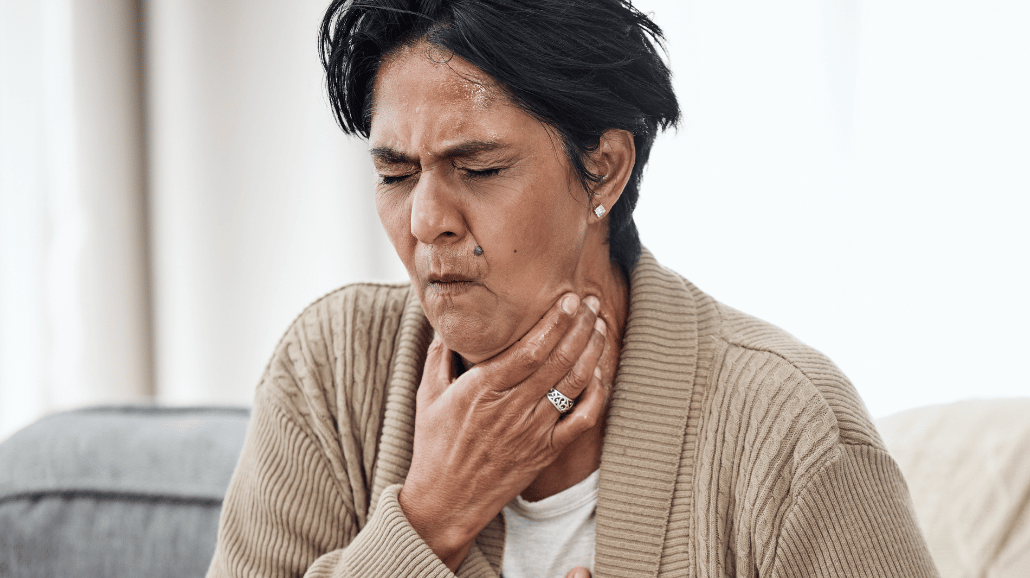
- Clutch their throat
- Have difficulty breathing or talking
- Make wheezing or gagging sounds
- Turn red or blue in the face
- Lose consciousness if the airway is completely blocked
Steps to Take
- Encourage Coughing: If the senior is coughing, encourage them to continue. Coughing is the body’s natural way of clearing the airway.
- Perform the Heimlich Maneuver: If the senior cannot cough, speak, or breathe, perform the Heimlich maneuver to help clear their airways.
- Stand behind them and wrap your arms around their waist.
- Make a fist with one hand and place it just above their navel.
- Grasp your fist with the other hand and perform quick, upward thrusts until the object is expelled.
- Call for Emergency Help: If the obstruction cannot be cleared, call 911 immediately and continue performing the Heimlich maneuver or back blows until medical professionals arrive.
- Administer CPR if Necessary: If the senior becomes unconscious, perform CPR, starting with chest compressions, and continue until help arrives.
Supporting Seniors Post-Choking Incident
After a choking incident, it’s important to address any underlying issues to prevent recurrence. Here’s what you can do:
- Consult a Doctor: A medical evaluation can identify swallowing difficulties or other risk factors.
- Adjust Diet: Modify food textures or explore alternative meal options to reduce future risks.
- Review Medications: Discuss possible side effects with a healthcare provider that may contribute to swallowing problems.
- Consider Professional Help: A speech therapist or dietitian can provide tailored strategies to improve swallowing safety.
FAQs About Choking in Seniors
- What causes choking in older adults? Weakened swallowing muscles, neurological conditions, dental problems, and cognitive decline are common causes.
- What is silent aspiration? Silent aspiration occurs when food or liquid enters the lungs without triggering a cough. It can lead to aspiration pneumonia.
- Can dementia increase choking risk? Yes. Dementia can affect chewing, pacing, and awareness during meals.
- When should you see a doctor for swallowing problems? If coughing during meals, weight loss, or repeated pneumonia occurs, seek medical evaluation promptly.
Key Takeaways: Helping Seniors Thrive Safely
Preventing choking in older adults requires a proactive approach that prioritizes safety, nutrition, and individualized care. By understanding the unique challenges seniors face and implementing the tips outlined here, family members and caregivers can create a safe and enjoyable dining experience.
If you’re caring for a senior with swallowing difficulties, remember you’re not alone. Contact healthcare professionals or home care agencies like Caring Senior Service for additional support. Together, we can ensure seniors maintain their dignity and quality of life while staying safe during mealtimes.
Read the full article on the original source
