




From Campus to Classroom: Stories That Shape Education
- Pinky Cole brings Atlanta-rooted entrepreneurship and Slutty Vegan success, plus philanthropy to Clark Atlanta University students and alumni culture.
- Pinky Cole donated to Clark Atlanta University, helped cover student balances, and gifted LLCs to graduates, emphasizing ownership and entrepreneurship.
- Pinky Cole is a proud member of Delta Sigma Theta through the Sigma Chapter, linking sorority legacy to her public identity.
- K. Michelle attended Florida A&M University on a music scholarship, graduated with honors, and served as Miss FAMU.
- Both women raise visibility for HBCUs and Delta Sigma Theta, modeling Black college excellence, leadership, and representation for younger viewers.
RHOA HBCU Alumni Put HBCU Excellence in the Spotlight
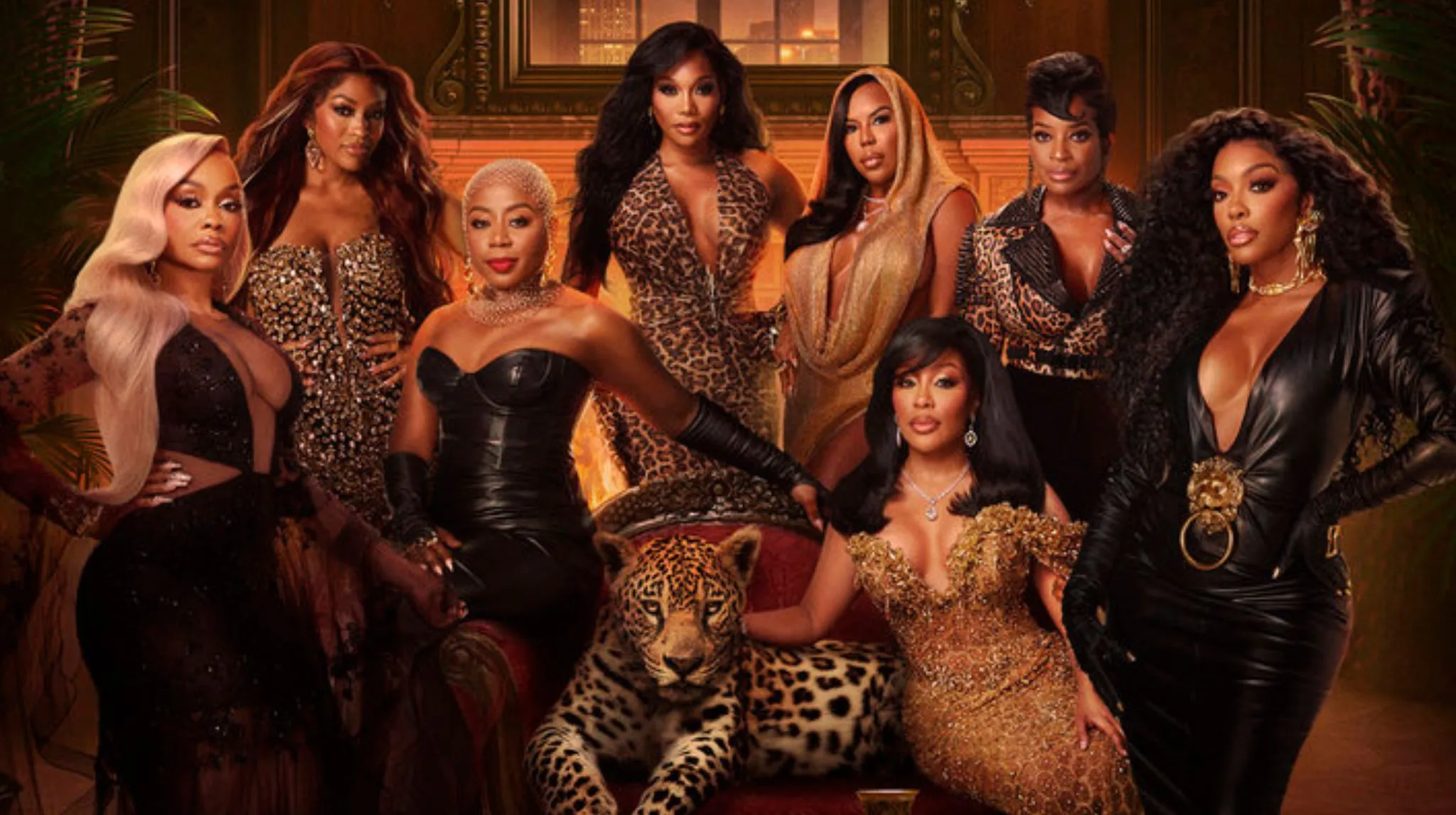
The RHOA HBCU alumni conversation just got a lot stronger this season. When the official Season 17 cast reveal dropped, two of the biggest additions were Pinky Cole and K. Michelle, and that matters for more than reality TV drama. It means two women with real roots in Clark Atlanta University, Florida A&M University, and Delta Sigma Theta are entering one of Black television’s most visible franchises carrying actual HBCU and Divine Nine legacy with them. In a media landscape that often borrows from Black college culture without fully crediting it, there is something notable about two newcomers arriving with credentials that are already tied to campus leadership, cultural influence, and community impact long before a camera starts rolling.
What makes this moment stand out is that neither woman fits into the cast as a random celebrity add-on. Pinky Cole built a name that is already deeply connected to Atlanta through business, branding, and community work, while K. Michelle has spent years as a bold, instantly recognizable voice in music and television. Their presence on The Real Housewives of Atlanta gives Season 17 a different kind of texture because both women arrive with their own institutions behind them. These are not just entertainers or entrepreneurs. They are HBCU women whose stories already reflect the kind of ambition, reinvention, visibility, and cultural fluency that reality television loves to chase. The difference here is that the backstory is already real.
Pinky Cole Brings Clark Atlanta Hustle to the RHOA Cast
Pinky Cole’s addition feels especially Atlanta in the best possible way. Long before Bravo made it official, she had already become one of the city’s most recognizable business figures through Slutty Vegan, the fast-growing brand that turned plant-based food into a cultural statement. But her story is also clearly rooted in Clark Atlanta University. Clark Atlanta identifies Cole as a 2009 graduate, and she has repeatedly remained connected to the university not just symbolically, but in ways that reflect real investment in students and alumni culture. That matters because HBCU pride is strongest when it shows up as action, not just branding. Pinky has long moved like someone who understands that her wins are tied to the institution that helped shape her. (cau.edu)
That connection shows up in the receipts. Pinky has used her platform and resources to pour back into CAU in ways that go beyond the usual commencement speech or honorary appearance. She made headlines for helping cover balances for Clark Atlanta students, and she later returned to gift LLCs to the university’s graduating class, turning a feel-good moment into a direct push toward ownership and entrepreneurship. Even when people talk about her in the language of celebrity business success, that piece of the story should not get lost. Her rise has consistently carried a give-back ethos that aligns with what many people believe HBCU success is supposed to look like: you climb, and then you reach back. That makes her a uniquely interesting fit for RHOA, because she is not just bringing business success to the show. She is bringing a very specific HBCU-shaped understanding of what success is for.
Pinky also brings sorority and campus legacy into the frame. In a recent public post introducing herself to new audiences, she identified herself as a proud member of Delta Sigma Theta Sorority, Inc. through the Sigma Chapter at Clark Atlanta. That adds another layer to her public identity because it places her not just in the world of Atlanta entrepreneurship, but inside a long tradition of Black women who have used scholarship, service, and cultural leadership as part of their public voice. On a franchise like RHOA, where image and identity are always part of the story, that history matters. It gives context to the way she moves and the audience she already represents before she even says a word in a confessional.
K. Michelle Brings FAMU Star Power and Delta Legacy
K. Michelle enters this season from a different lane, but one that is just as culturally loaded. Bravo’s own preview of Season 17 positioned her as one of the two newcomers, and it is easy to see why she fits the show. She already has the voice, the candor, the fan recognition, and the kind of larger-than-life presence that reality television rewards. But for HBCU audiences, her story hits differently because she is also a proud Florida A&M University alum whose connection to FAMU has remained part of her public identity throughout her career. FAMU has recognized her as an alumna, and that distinction matters because she is not simply someone who passed through campus. She is someone the institution has publicly claimed as part of its own legacy.
Her HBCU story is bigger than enrollment alone. Coverage of K. Michelle’s FAMU background has consistently highlighted that she attended the university on a music scholarship, graduated with honors, became Miss FAMU, and joined Delta Sigma Theta through the Beta Alpha chapter while in Tallahassee. That matters because it frames her as someone whose current visibility was shaped by a real campus experience rooted in talent, pageantry, leadership, and Greek life. For viewers who only know K. Michelle through music, reality TV, or her pivot into country, this part of her story sharpens the picture. It reminds people that her confidence, performance instinct, and ability to command attention did not come out of nowhere. They were refined in one of the strongest cultural ecosystems Black higher education has to offer.
There is also something compelling about where she is entering RHOA in this moment. Bravo has framed her current storyline around both her personal life and her professional evolution, including the pressure of operating in country music as a Black woman. That gives her an angle that feels different from a nostalgia-driven casting move. She is stepping into the show while still actively reinventing herself, which makes her a strong reality television fit. But from an HBCU lens, it also turns her into an example of how Black college alumni continue to stretch beyond the lanes the industry first gave them. She is not arriving as a finished story. She is arriving as a woman still expanding her range in public.
Why the RHOA HBCU Alumni Story Matters
The reason the RHOA HBCU alumni angle deserves a full conversation is because representation is not just about being seen. It is about what comes with you when you are seen. Pinky Cole and K. Michelle are bringing more than name recognition to Season 17. They are bringing Clark Atlanta University, Florida A&M University, and Delta Sigma Theta into a mainstream pop-culture space that still shapes how audiences understand Black ambition, femininity, wealth, leadership, and influence. That matters for younger viewers watching. It matters for HBCU students who rarely see their institutions reflected in national entertainment without stereotype. And it matters for the broader culture because Black college excellence deserves to show up in places beyond graduation slideshows, homecoming recaps, and corporate heritage-month campaigns.
In that sense, this casting move lands as more than a Bravo update. It feels like a reminder that HBCU culture continues to shape the people driving business, music, and mainstream entertainment in real time. Pinky Cole represents the entrepreneurial power of the Atlanta HBCU ecosystem. K. Michelle represents the performance, polish, and staying power that can grow out of a place like FAMU. Together, they make this season of The Real Housewives of Atlanta a little more interesting for anyone who pays attention to where Black cultural leadership really starts. And for HBCU audiences, that alone is worth clocking.
Read the full article on the original site
