




Style Spotlight: Looks, Trends & Fashion Inspiration
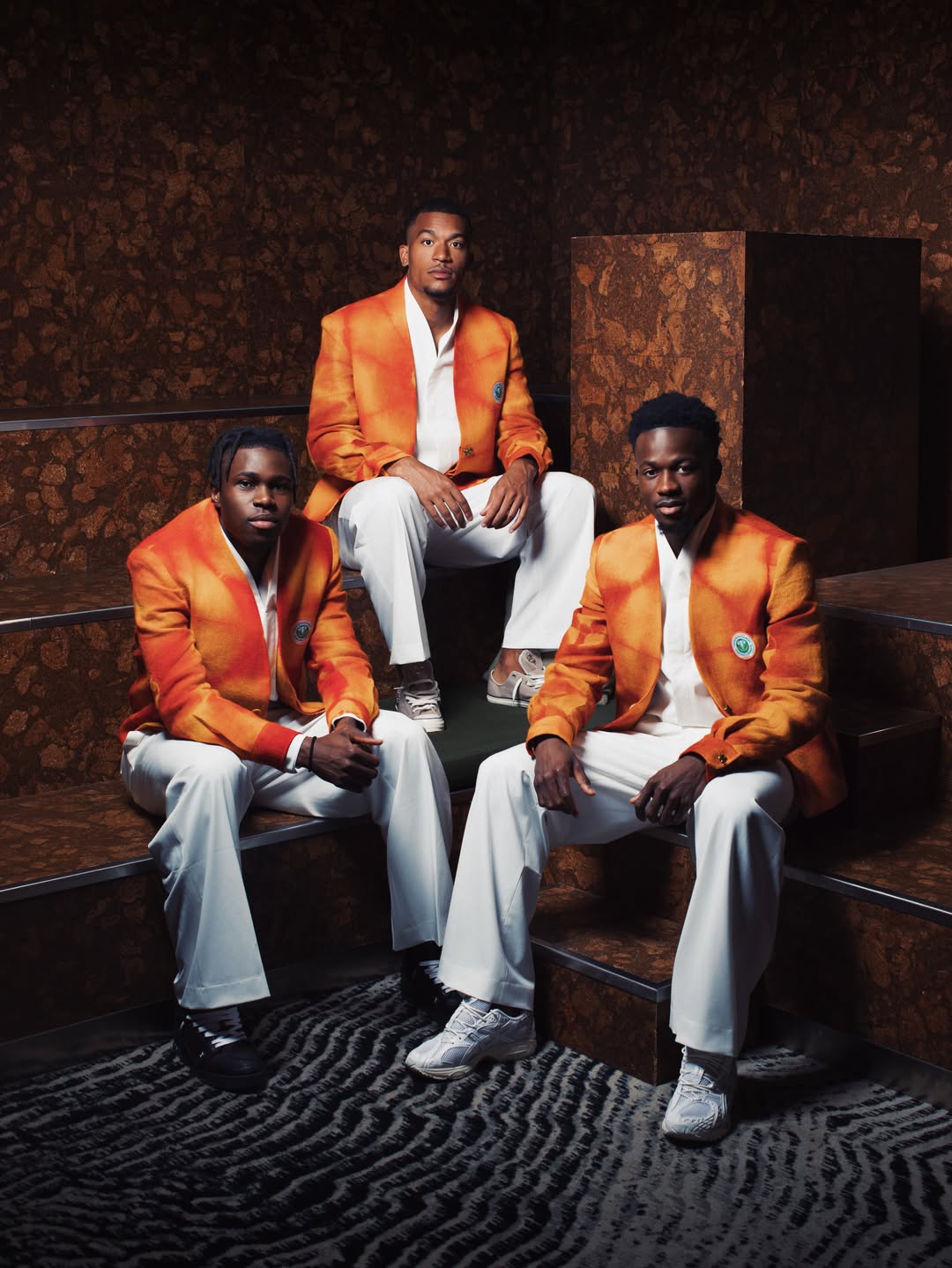
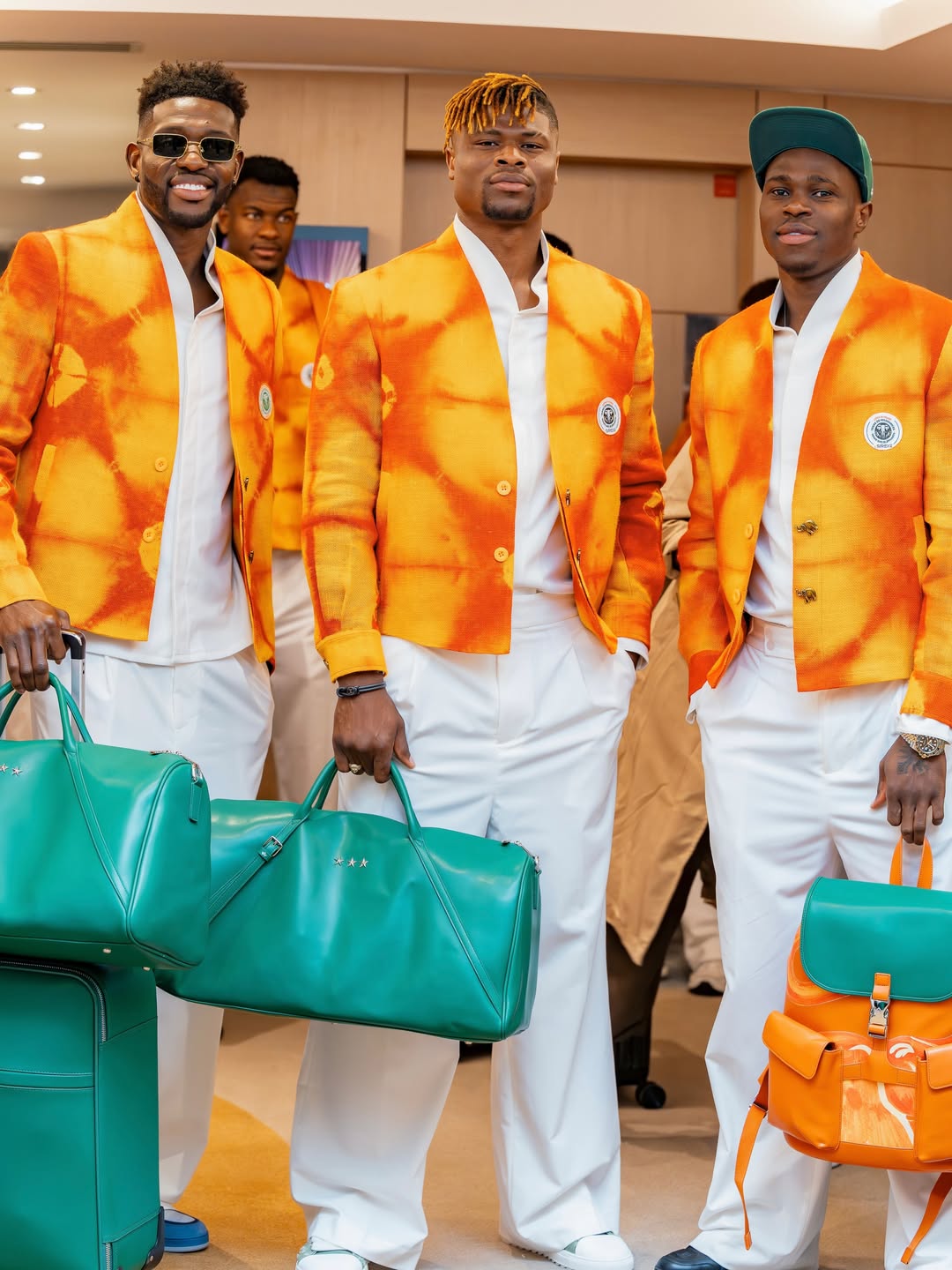
- Collar-less orange jackets with embroidered elephant backs, worn over white trousers; green Aliwax duffel contrast and tie-dye nod to West African textiles.
- Outfits spotlight local craftsmanship, promoting designers like Ibrahim Fernandez and brands such as Aliwax, fueling global appetite for African artistry and trade.
- Puma-made home orange and white away kits use dryCELL technology and RE:FIBRE sustainable materials, retailing around $130 CAD.
- Côte d’Ivoire’s fourth World Cup features new talent Amad Diallo and Yan Diomandé, in Group E with Germany, Ecuador, and Curaçao.
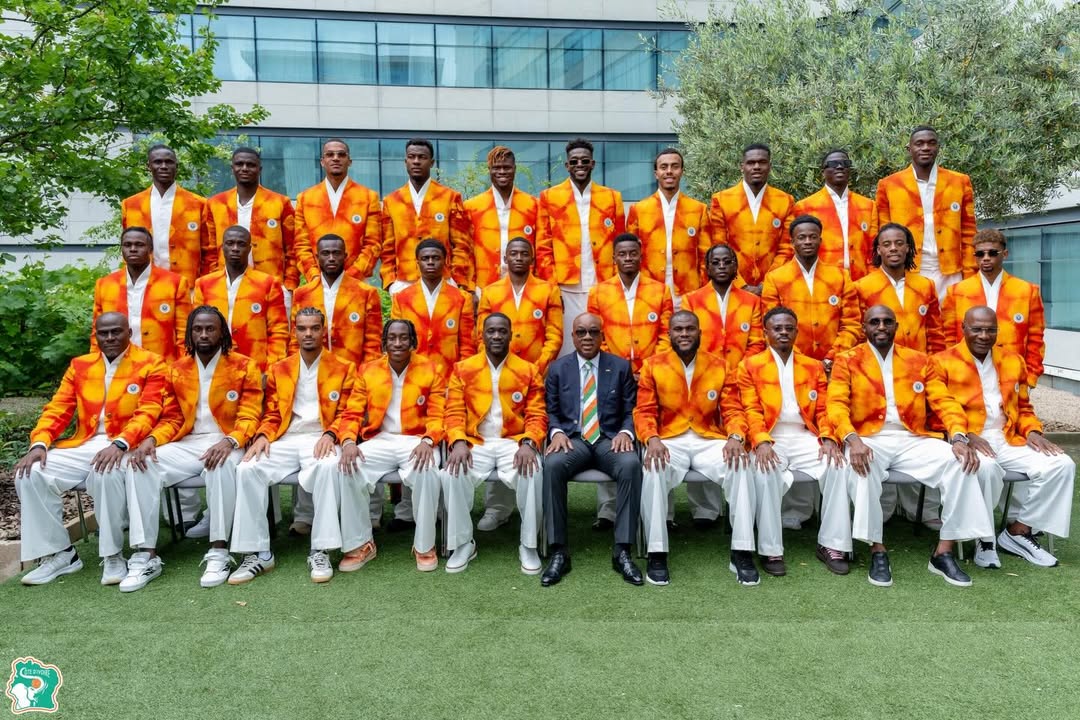
Côte d’Ivoire’s national football debuted their travel looks for the World Cup 2026 adorned in striking jackets mimicking orange hues from an iconic African sunset. The entire look was designed by Ibrahim Fernandez who described the collection as a delicate relationship of oneness between team and their millions of supporters. It’s been making me think deeply about how Africans show up in the world, regardless of the geographical location. It’s like shared universal language of pride and unity, a way to honour our roots. As Fernandez told BellaNaija in French: “Des millions qui portent, qui soutiennent, qui célèbrent. Nous et notre peuple ne faisons qu’un — millions who carry, who support, who celebrate. We and our people are one.”
The team made a distinct and vibrant statement for menswear fashion. Each collar-less jacket is elegant and structured to fit, with clean lines, conveniently embellished at the back with an embroidered elephant. Rather than play it safe with black, the orange jackets were worn over white trousers, a bold style choice. Accessories included Aliwax’s functional duffel bags in a green colour, adding a contrast to complement the orange backdrop. The tie-dye is a reference to honour West African textiles and fabric industry such as adire and batik.
Vibrant African Expression
It’s the usual for most African people to celebrate their heritage with pride, especially when travelling abroad. These outfits highlight the work of designers like Ibrahim Fernandez and brands like Aliwax, while promoting local artisans. Using tie-dye fabric for the ensemble also draws unique attention to West Africa textiles and craftsmanship. Altogether, it creates a global appetite for African artistry, which is so important for international trade and commerce. In supporting vibrant self-expression through fashion and culture, I think the team, Les Éléphants (The Elephants) as they are popularly known by, have done it very nicely.
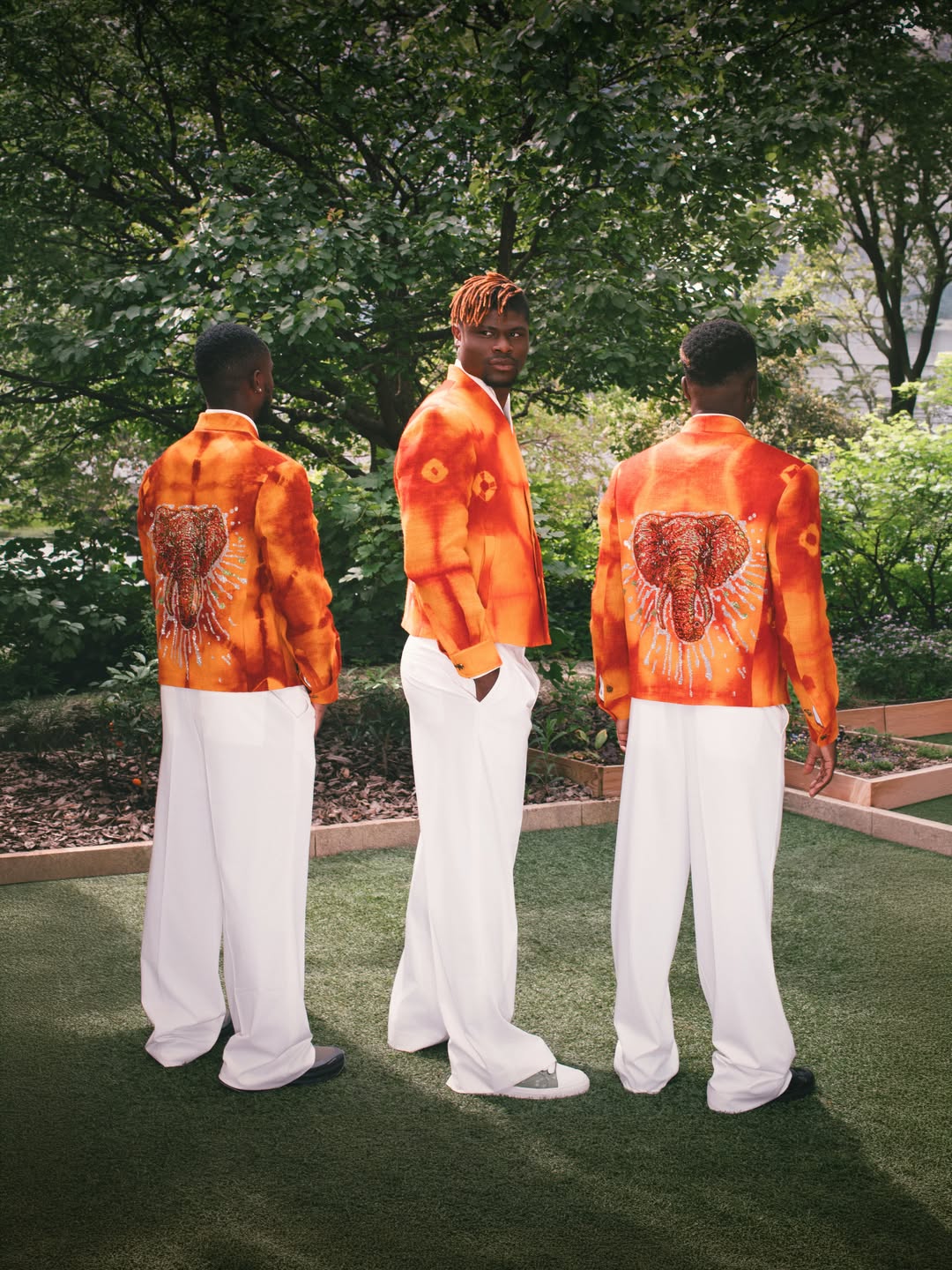
Having the head of an elephant embroidered on the back of each jacket is symbolic of the country’s English name Ivory Coast, which directly originates from the abundant trade of elephant tusks, a highly coveted and enduring resource in West African history. The central emblem of the country is also the head of the African forest elephant and according to Wikipedia, it symbolizes the sheer power, resilience, and sovereignty of the republic.
Similar to the jackets, the team’s jerseys are manufactured by Puma and retail for around $130 CAD. The iconic Home jersey features a vibrant orange base with green accents, while the Away kit offers a clean, streetwear-inspired white design. Both are crafted using Puma’s moisture-wicking dryCELL technology and RE:FIBRE sustainable materials.
Ibrahim Fernandez is self-taught and has dressed prominent TV celebrities such as Isabelle Anoh. His work is currently in Paris, participating in the highly anticipated second season of the Africa Now event at Galeries Lafayette Haussmann. The 2026 FIFA World Cup is the fourth for Côte d’Ivoire. This time, their team boasts new talent including Amad Diallo and Yan Diomandé who will be playing in Group E against Germany, Ecuador, and Curaçao. Social media has been buzzing at the arrival of this team to the World Cup in what seems to be a little bit of a fashion show. And I’m loving the whole thing. Here are some images that have had the entire internet in awe.

See the full look or story from the original source
