




Faith & Reflection: Voices from the Black Church and Beyond
- Religious trauma inflicts mental and physical harm, disconnecting many LGBTQ+ people from faith while leaving many open to a trauma-informed return.
- Authentic inclusion means LGBTQ+ people in leadership, visible queer congregants, and intersectional spaces like Lighthouse and Restore.
- Trauma-informed practices include inclusive language and pronouns, optional participation, pastoral counseling, and deep theological engagement to support healing.
(RNS and Uncloseted) — Jacob May remembers sitting across from his pastor at 22-years-old in 2014 at a Chipotle in rural Virginia defending his gay identity over a carnitas burrito.
They went over the usual talking points, with his pastor pointing to the clobber passages — the Bible verses used to condemn homosexuality — and May pointing out mistranslations and historical context in response.
“We should continue meeting weekly,” his pastor said. He wanted to continue teaching May the Southern Baptist way: that homosexuality is a sin that would be punished by eternity in hell.
After that day, May stopped replying to his texts.
As he continued to tell people he was gay, he wound up losing his childhood church community.
“I just felt really alone,” May, now 34, said. “I felt like I had to start over essentially in my life since so many of my connections and friends and just subculture essentially were in the church. … I remember times just sitting on my bed, sobbing.”
It wasn’t until three years later, when he walked into the LGBTQ-affirming St. Paul’s Episcopal Church in Richmond, Virginia, that he began to open up his heart to faith again and his loneliness started to lift.
A national study published in 2016 found that more than 80% of LGBTQ+ folks are raised in faith communities. Nearly two-thirds of LGBTQ+ people raised Christian no longer identify as Christian. And as religious affiliation has declined in the general population, nearly half of Americans who left religion cite the mistreatment or rejection of LGBTQ+ people as an important reason.
Tyler Lefevor, a psychologist who specializes in LGBTQ+ individuals’ relationships with faith, said queer people experience physical and mental consequences for suppressing their identities, including PTSD, anxiety, high cortisol levels and high blood pressure.
Lefevor added that leaving religious spaces can be challenging because queer people are “cut off from community and a source of meaning and a way of understanding the world.” Because of this, many queer folks still want to find a space where their religion and LGBTQ+ identity can coexist: According to a multi-year study from researcher Andrew Marin, 76% of LGBTQ+ people who have left the church are open to returning to faith.
But it takes work for LGBTQ-affirming churches to address the lingering effects of religious harm, a form of trauma more therapists are recognizing — with one study estimating a third of adults have suffered from religious trauma at some point in their lives, with LGBTQ+ people disproportionately impacted.
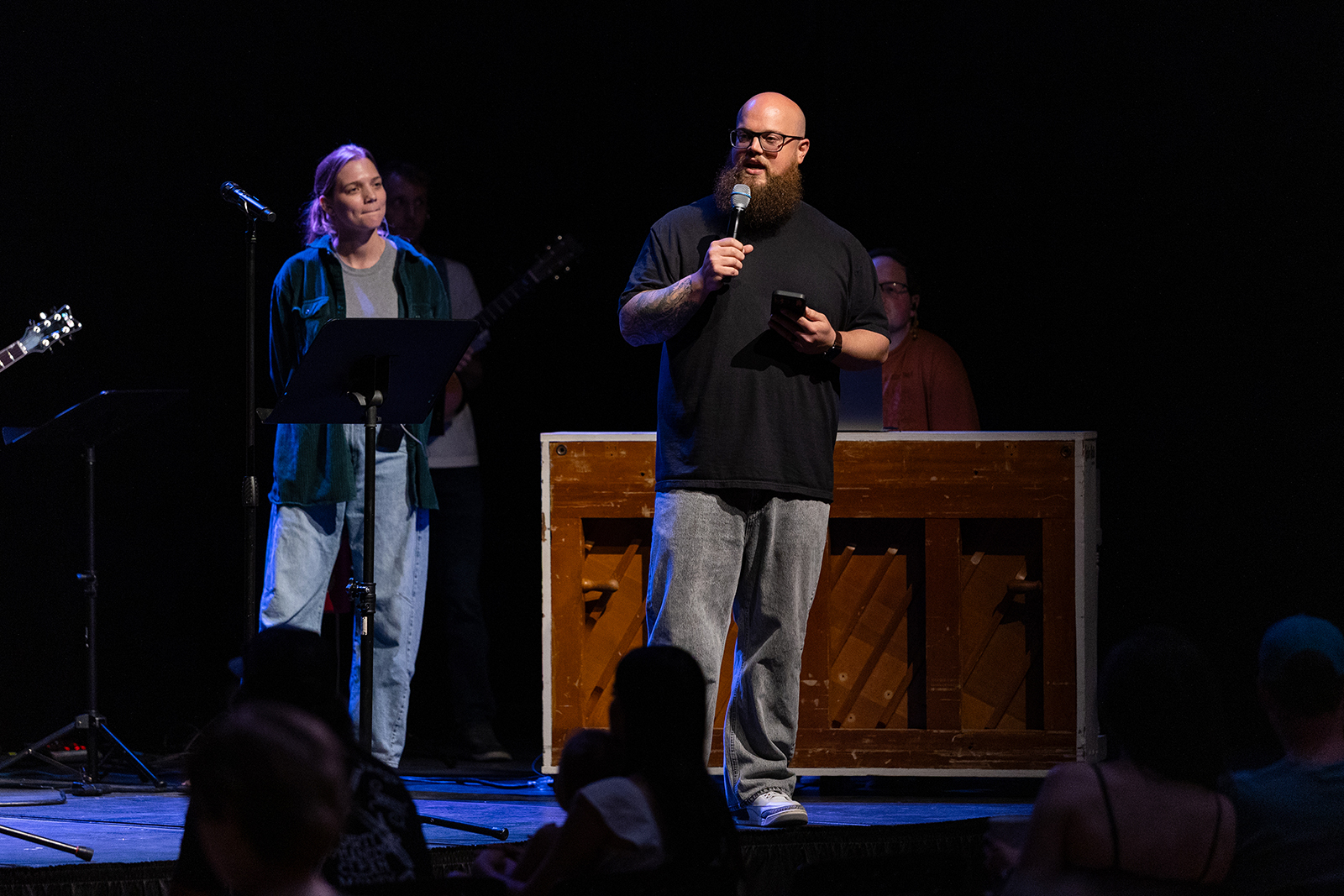
Progressive churches have to learn to handle the spiritual wounds of exiles from conservative religions, including queer Christians, said Zach Lambert, pastor of Restore church in Austin, Texas, an LGBTQ-affirming church that describes itself as “post-evangelical.”
“They think a rainbow flag on the front or a nod at Pride is enough to help somebody overcome whatever they’ve been put through, and it’s just not,” Lambert said.
Instead, he said, it requires creating a church culture where queer inclusion is intrinsic, not performative, and where LGBTQ+ people are “in every area of leadership.”
For May, finding a welcoming church was key to his healing. When he felt unable to be fully himself with his family and feared getting fired from his conservative workplace for being gay, his new church was the only place he felt comfortable wearing his engagement ring and being openly gay.
“My affirming churches filled that hole, filled that need, filled that spiritual desire in a way that, of course, a church that rejects you couldn’t ever fill,” May said. “They (also) give me space to process (my past). Just holding space and listening was so important.”
What Do Trauma-Informed Churches Look Like?
Visible inclusion
LGBTQ+ churchgoers said that seeing visibly queer people is one of the strongest signals of safety.
That was the case for 30-year-old Mariah Montgomery-Lindsay. Raised in East Tennessee in a charismatic, non-denominational church, she left in college because of how members spoke about and shamed queer people.
A decade later, on her first day at Restore, a formerly evangelical church that has since joined the mainline United Methodist Church, she was so nervous she was shaking.
“It was so scary to walk into a church with my partner as an obviously lesbian couple,” she said. “But then we get out of the car, and there’s another gay couple that gets out of the car right next to us.”
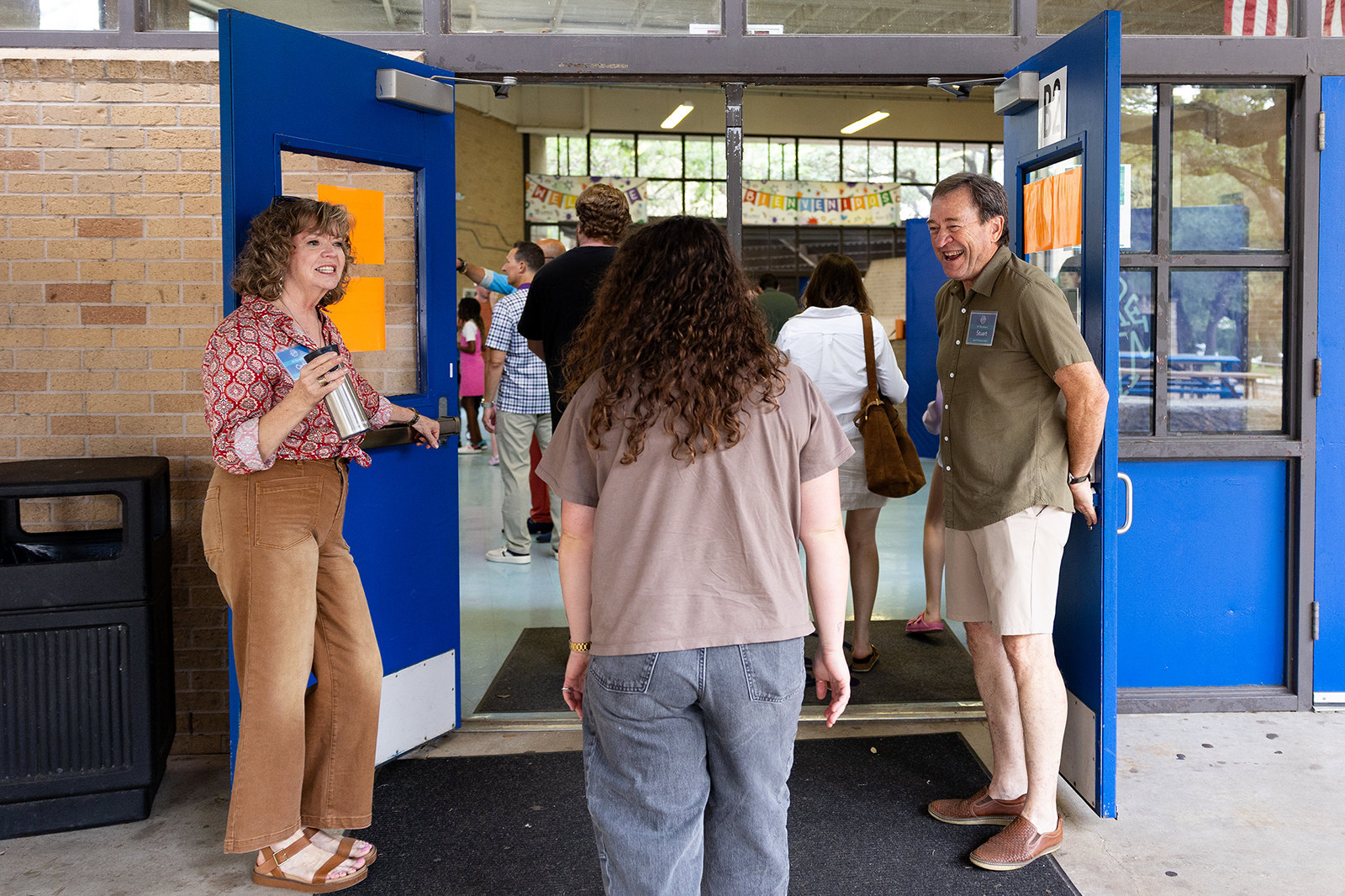
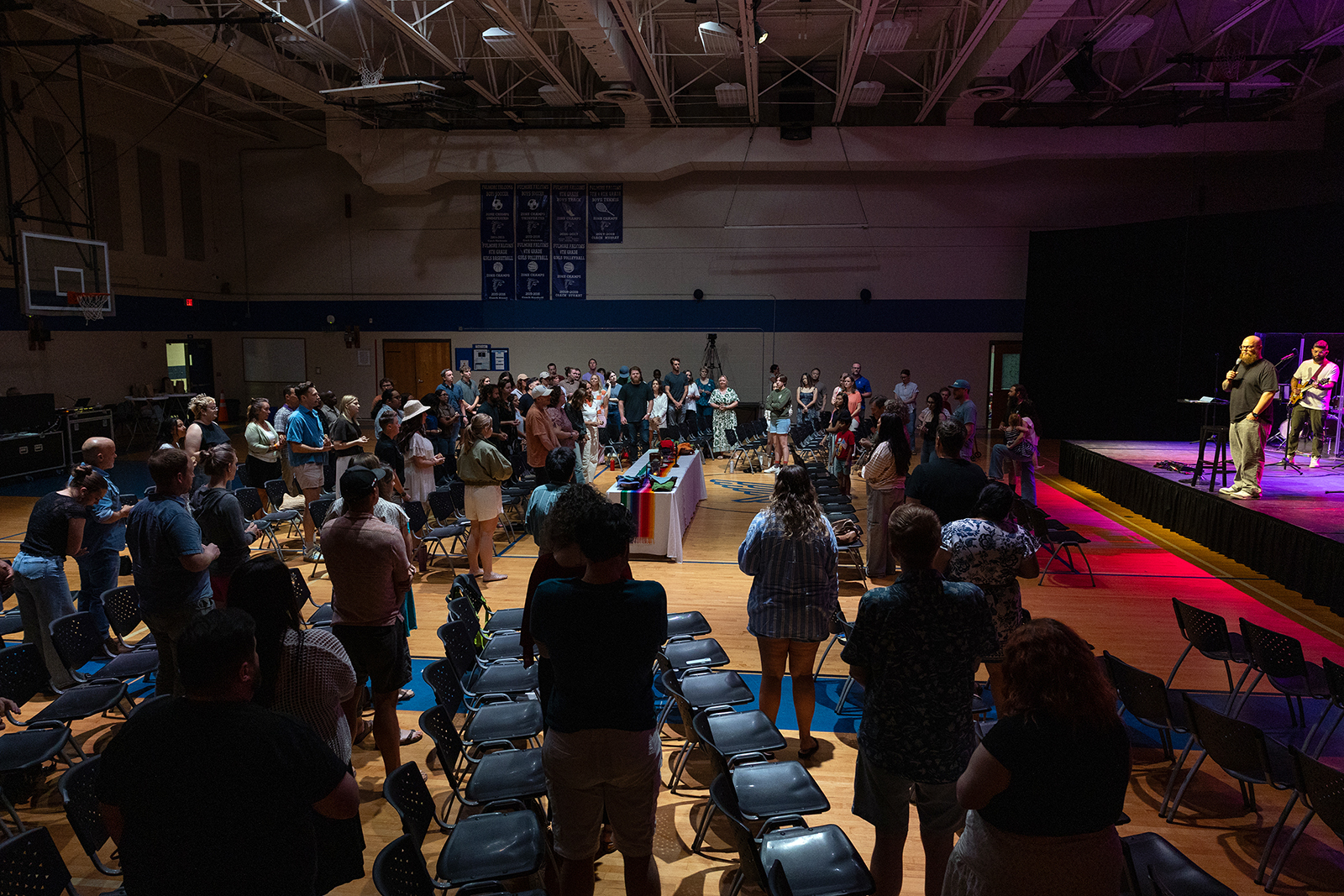
Inside the middle school where Restore meets, Montgomery-Lindsay said it felt like there were gay couples everywhere — greeting them at the door and playing instruments from the platform. “No one took a second glance,” she said.
Intersectionality
Karlyn Meyer, a 42-year-old legal education professional, initially joined a local Evangelical Lutheran Church in America congregation after moving to Chicago. The openly progressive church lined up with what she was looking for on paper: they supported queer rights, had a rainbow sign out front and funded social justice causes. But as a Black, then-closeted queer woman, she still felt like an outsider.
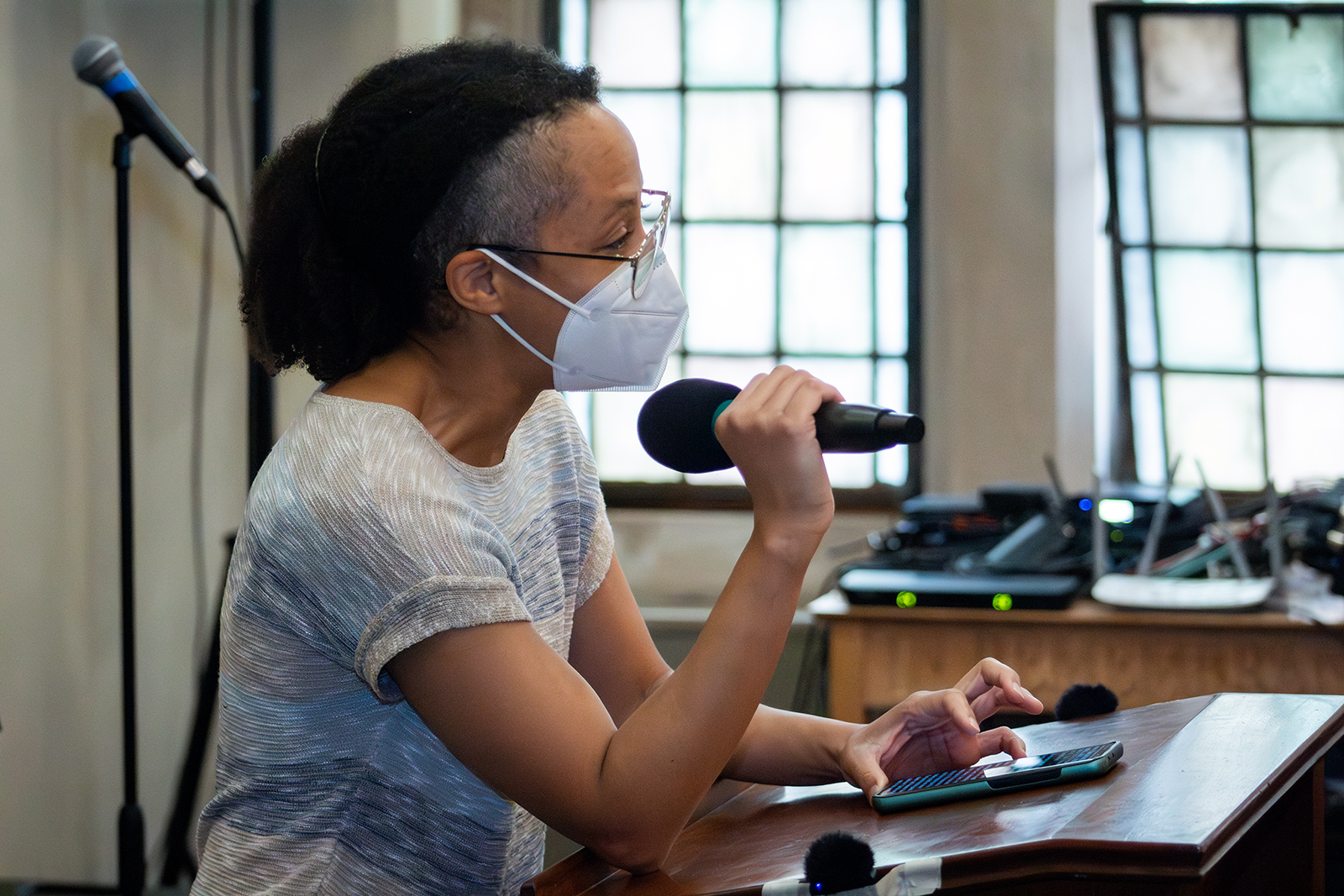
“It was predominantly white, we were kind of the younger people there,” she told Uncloseted Media and RNS. “When you hear of affirming churches, it’s a lot of straight people who are affirming.”
Looking for a better fit, she turned to Google and discovered Lighthouse, a church founded by Black gay men that, at one point, met in a space also used as a Burlesque club. Now a United Church of Christ congregation, the church has always been explicitly “Black-centered and LGBTQ+ affirming,” according to its pastors.
“Lighthouse was the first time I’ve been in a majority-queer congregation,” Meyer said. “I just didn’t think that could be possible … that was really stunning.”
Inclusive language
These queer-inclusive cultures are often complemented by thoughtful language. At Lighthouse, speakers deliberately introduce themselves with their pronouns, and each week, the church sings a welcome song that includes multiple pronoun options for God, like she, they and he.
At The River in Midtown Manhattan — which, like Restore, belongs to the Post-Evangelical Collective — leaders opt for songs that have LGBTQ-affirming language and are mindful that certain lyrics can trigger painful memories for people who grew up hearing they were sinful or broken.
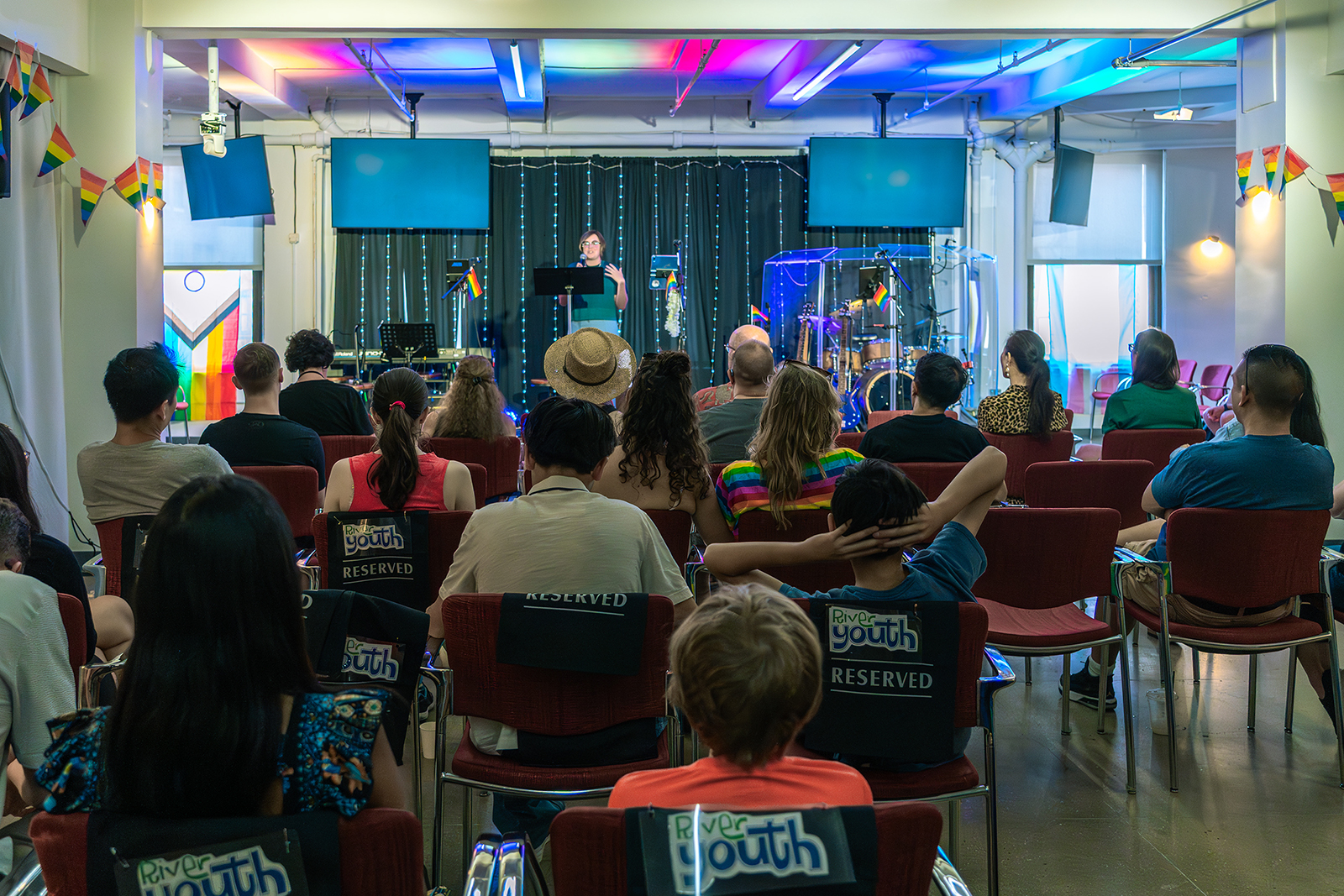
Language that organically acknowledges LGBTQ+ people’s lived experiences is one practical way to say, “I get you, I see your world,” said Lefevor.
For Lucius Seo, a 31-year-old teacher from a Korean Presbyterian background, said the language at The River is a crucial part of their affirming environment.
“In the churches that I grew up in, God has been contained very neatly into a box of a father figure. In the Bible, God is very mysterious and infinite,” Seo, who identifies as gay, told Uncloseted Media and RNS. “At The River, our songs use all pronouns and all expressions.”
Some examples include songs by LGBTQ+ artists and adapted lyrics that specifically acknowledge the queer community, like Spencer LaJoye’s lyrics: “Amen for the Queers and their closeted peers, Amen for the bullied who hold in their tears” and updated lyrics for the song “For Everyone Born, a Place at the Table:” “For everyone born, a place at the table… for Queer and for straight a place at the table.”
Autonomy
At The River, it’s common for people to come from high-control religious contexts where belonging is contingent on conformity.
For Seo, even after leaving his family’s church, he spent nearly a decade in a non-affirming nondenominational congregation in Long Island. While he served as a Sunday school teacher, he said he felt pressure to align his teachings with anti-queer norms. He eventually left after a parent asked him to teach students that being gay was wrong.
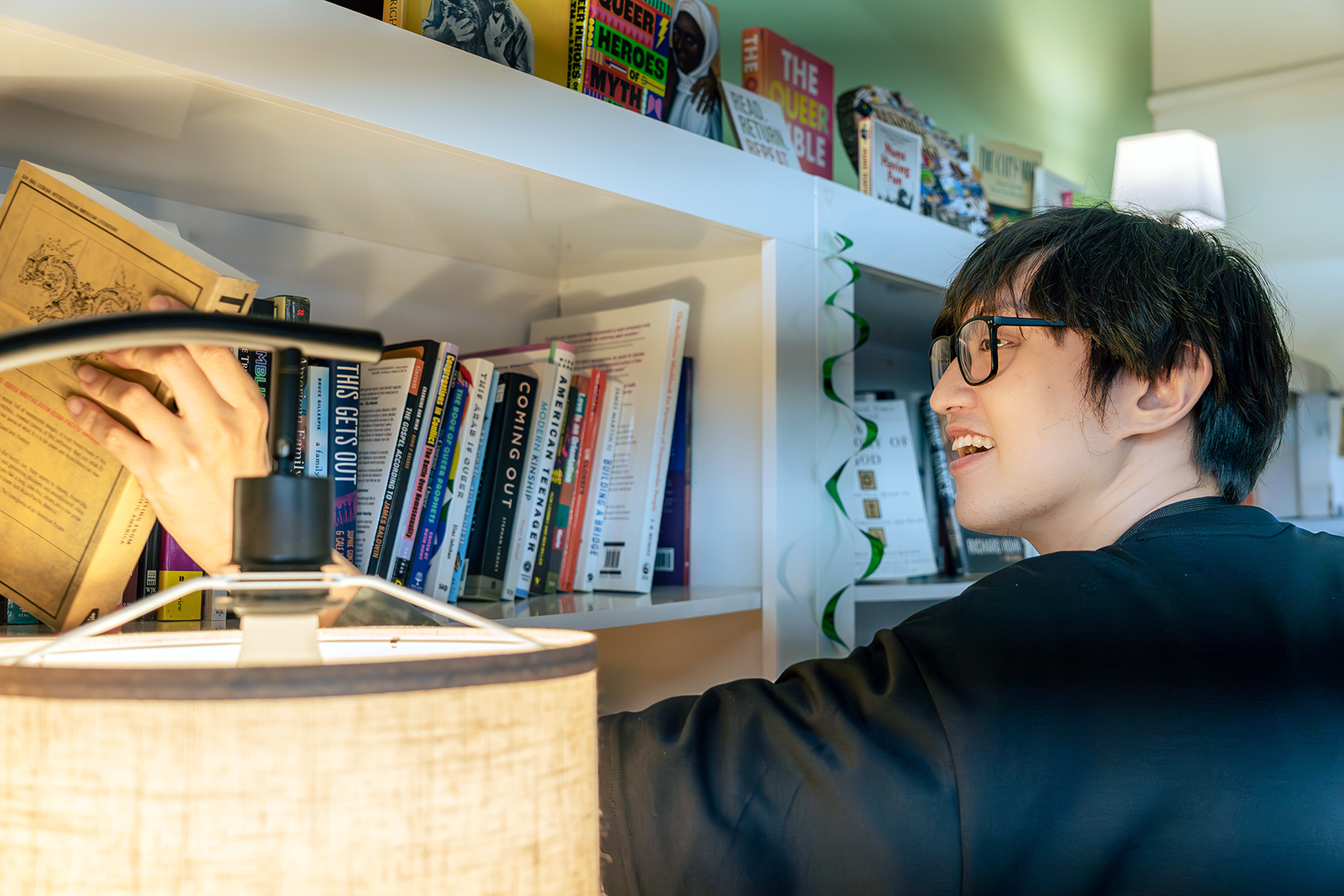
After coming to The River, he had moments of anger, tears and “frightening rage.”
He remembers having a panic attack on the subway commuting to The River, because arriving late at the churches he grew up in resulted in shame and berating.
Other members of The River were able to comfort him and affirm that what he was feeling was a normal part of the grieving process.
“I had a lot of church trauma from the past,” Seo said. “It took me a couple of months to be like, ‘I can breathe here, I can be myself, I can be authentic, and our voices matter here,’ and that’s why I decided to stay.”
During services at The River, the Rev. Alison Noll said she adopts a trauma-informed approach by giving cues for what will happen (celebrating Communion, for instance, or singing hymns) so people can opt in or out if they feel it’s too much for them.
Leaders give congregants agency by inviting them to adopt whatever worship posture suits them, like standing, sitting or kneeling, and unlike high-control religious spaces, participation in services and at church events is invitation-based rather than compulsory.
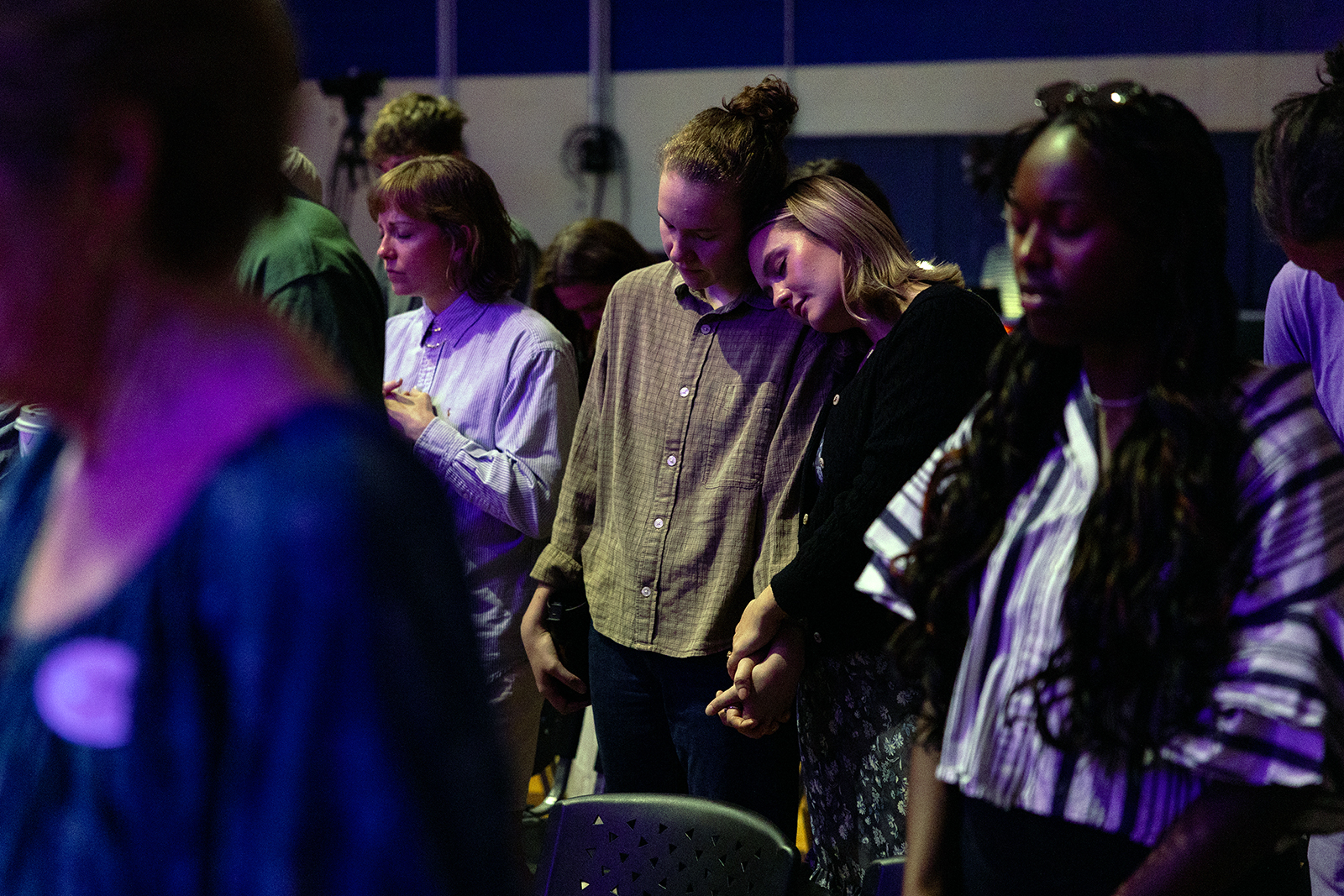
“We’re not going to pressure you to do anything here, and so that means you have to claim your own agency and decide for yourself how involved you want to be,” said Noll.
Every few months, they also host conversation church, where instead of sitting in rows and listening to a sermon, congregants sit in small groups while leaders guide discussion.
“The church is the entire community,” explained Noll, “and we all co-create the church experience together.”
Theology
In the hopes of not offending others, some LGBTQ-affirming churches avoid concrete teachings on Jesus and the Bible, focusing instead on positive spiritual messages like “God is love” that everyone can agree on.
While that can be comforting to some who are healing from religious trauma, the approach isn’t satisfying for everyone. Lefevor finds that affirming religious traditions can often feel too theologically “loosey goosey,” especially for those coming out of traditions where the Bible was central.
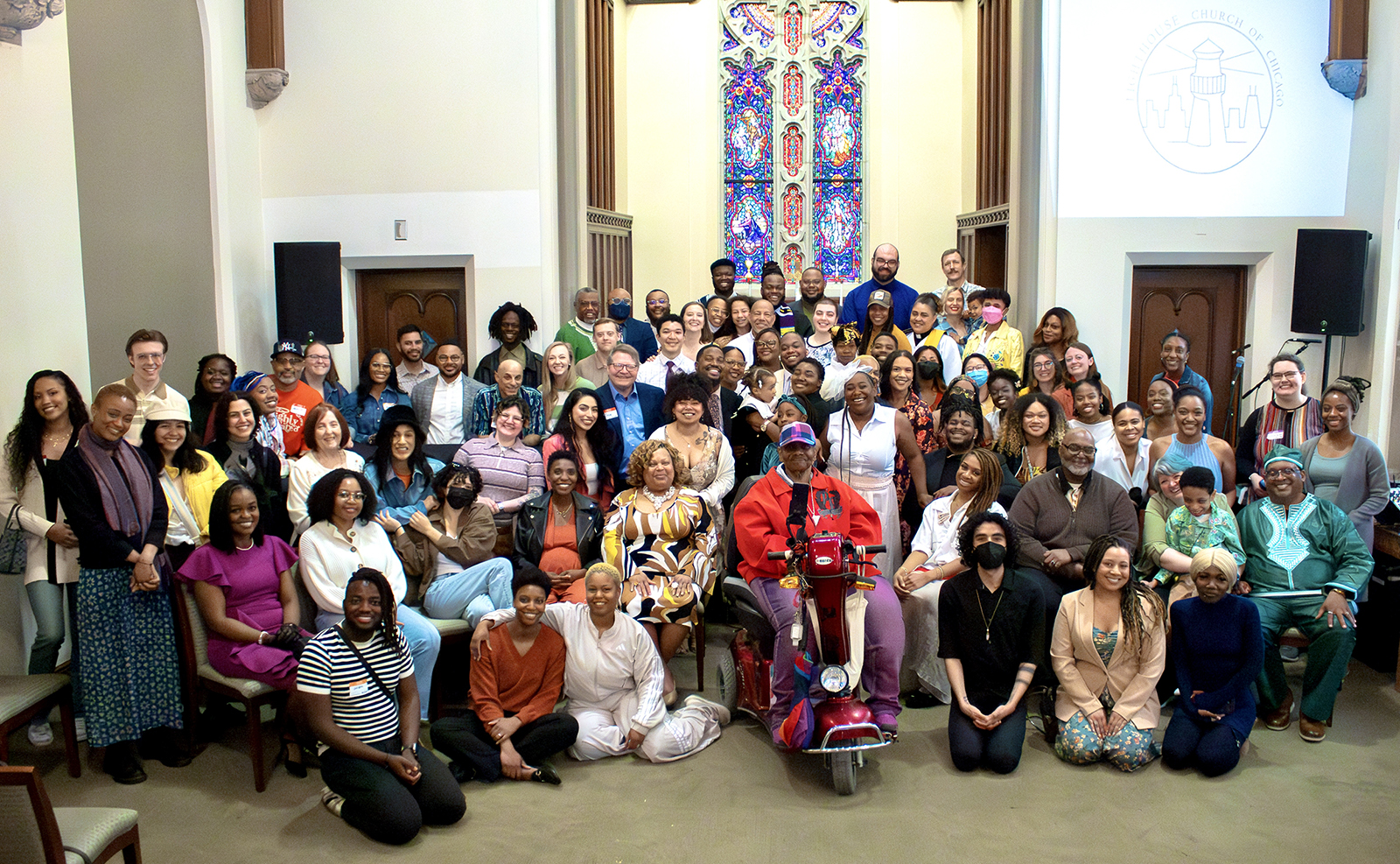
At Lighthouse, the pastors aim to offer in-depth teaching and analysis of the Bible while also inviting curiosity. According to Meyer, when they run into passages that have been weaponized against queer people and folks of color, they don’t “shy away.”
“If there’s something there that’s horrible, let’s find out the context for it,” she said. “Let’s figure out what it was and why.”
If folks do get triggered, they have experts from within the church community, including therapists, doctors and advocates, to provide support.
“I firmly believe that every person is an expert of their own experience,” said The Rev. Luther Young, Jr., one of the pastors at Lighthouse. “I am not an expert on your life, ergo, I cannot give you all the answers about your life, but what I can give you are tools to aid you as you question, to aid you as you wrestle.”
For May, being able to ask questions and examine things deeply changed everything for him.
“Once I found an affirming church, it wasn’t about arguing over whether being gay and Christian was possible,” May said. Instead, he was able to focus on faith, service and “the beloved community” he believes God calls Christians to build.
Today, May attends St. Paul & St. Andrew in Manhattan, where he worships alongside his fiancé, and in April he graduated from seminary with an MA in Religious Studies.
“That church was the first space where I didn’t feel like I had to hide,” May said. “The best thing that affirming churches did for me was give me space to process. They didn’t try to convert me or get me to believe what they believed. They accepted me as I was.”
This story was produced in partnership with Uncloseted Media, an investigative LGBTQ-focused news publication.
Read the full article on the original source
