




Faith & Reflection: Voices from the Black Church and Beyond
- Bob Dylan's evolving music and astonishing poetry, especially It’s a Hard Rain That’s Gonna Fall, feel prophetic and deeply moving.
- The Rolling Thunder Revue toured to marginalized audiences, defended the innocent, and disguised protest through chaotic, ethical musical resistance.
- Indirect artistic protest can be more powerful than confrontation, providing counterpoint and exposing the nation’s moral and ethical disintegration.
- I remain an activist, urged by artists like Bob Dylan to listen, reflect, speak truth, and resist complacency.
Every year I dread this weekend that honors dead soldiers. Let me make it clear that I have lost relatives to wars – uncles I loved including my first cousin who was killed six weeks after arriving in Vietnam having just graduated from West Point. I grieve too but Patriarchy and Nationalism have brought us to this dark door that we pass through each spring when the rest of nature is celebrating renewal.
We honor the fallen in war even as we indoctrinate our young boys and girls into the next generation of patriarchal power, hatred for the enemy, and war games. All this patriotism indicates that we choose to learn nothing from the past.
A couple of nights ago I watched Bob Dylan performing with others in The Rolling Thunder Revue for the first time. By 1975 the earnest/ peaceful/nature focused folk era was over. Dylan was playing electric/rock and roll and had lost some of his followers. Nixon was president and war was back in the game. The so called ‘hippies’ were outlawed, ridiculed and dismissed as druggies. This generation whose protests ended the war in Vietnam.
Bob Dylan, who, by the way, received the Nobel Prize for Literature in 2016, orchestrated this last protest (though it was not characterized as such because it was veiled) even as the troupe went on the road throughout the country. The show lost money because the motley crew played music to First Nation people who lived on reservations, defended an innocent Black man accused of a murder he did not commit setting him free from prison and played to small audiences in out of the way places that Bob chose. A financial musical disaster that occurred during the year Americans were celebrating the Bicentennial and how privileged we are to be Americans living in such a ‘great’ country. The show was disorganized, called chaotic by some as the group rode in buses through the country with no discernable leader unless you consider Bob, who walked to the beat of his own drum and did exactly what he wanted. Hardly a leader unless you consider that he might have been a prophet. However, the musicians were top performers who came together despite their personal differences creating in my mind an appropriate response to the Bicentennial by disguising his agenda while addressing the moral and ethical disintegration of this country in white face.
The first time I heard Bob Dylan sing It’s a Hard Rain That’s Gonna Fall in his first album (1962) the hair on my skin prickled and I shivered involuntarily. Remember, this was the peak of the peace-loving folk era. I had no idea what the song could possibly mean but somehow knew what Bob sang was truth. Right from the beginning Bob Dylan never fit. His complex and apparently obscure messages seemed to be ignored by everyone (which added to my confusion). As Bob evolved and his road was a rocky one, at one point he almost accidentally killed himself in a motorcycle accident, his music heralded each change. True to himself he remains an enigma to others, sometimes rude, refusing to answer questions directly, yet he continues to play for audiences throughout the world at 85. I don’t think that it’s any accident that he is touring this country during its 250th fourth of July celebration. What I perceive more clearly now is that this indirect way of protesting (if that is his motive) may be much more powerful than direct confrontation. It provides counterpoint.
As an impressionable young adolescent I loved Bob’s music especially when he played with Joan Baez whose voice still rings chorale bells in my mind. But it was the content of Bob’s songs that hooked me. I felt like my body understood truths my young mind couldn’t possibly comprehend. It wasn’t until Bob left folk music behind and turned electric that I stopped listening to his music, a mistake I later regretted.
When I heard “It’s Not Dark Yet” (1997) I felt that same chill race up my spine. He was still doing it. Afterwards I read “the little black song book” and in shock realized that it wasn’t just Bob’s message but the depth, breadth astonishing/bewildering, beauty of his poetry that was so extraordinary. How could I have missed this layer? Behind the ambiguity/ complexity stood a prophet (perhaps the prophet of our times) By this time I suspected as much because his old songs kept singing parts of themselves in my head and his words matched my own experiences…. There have been a few others, but none like him. Honoring this man on Memorial Day weekend when we celebrate a country of warmongering feels just right.
In the final paragraph I have italicized some of the sentences in one song that speak to me inviting others to glimpse what is being said between the lines. Some artists, musicians and other creative people have this ability. Their craft lives them using the person as a receiver, an instrument to forecast the future, or as some would say to perceive that the future already exists. Either way our job has been to listen and reflect.
For some what I am saying may seem like nonsense, especially the young folks many of whom consider him “just an old hippie” if there was such a box in which to stuff an entire generation who were dreamers, courageous/ community minded/ and dedicated enough to stop a war.
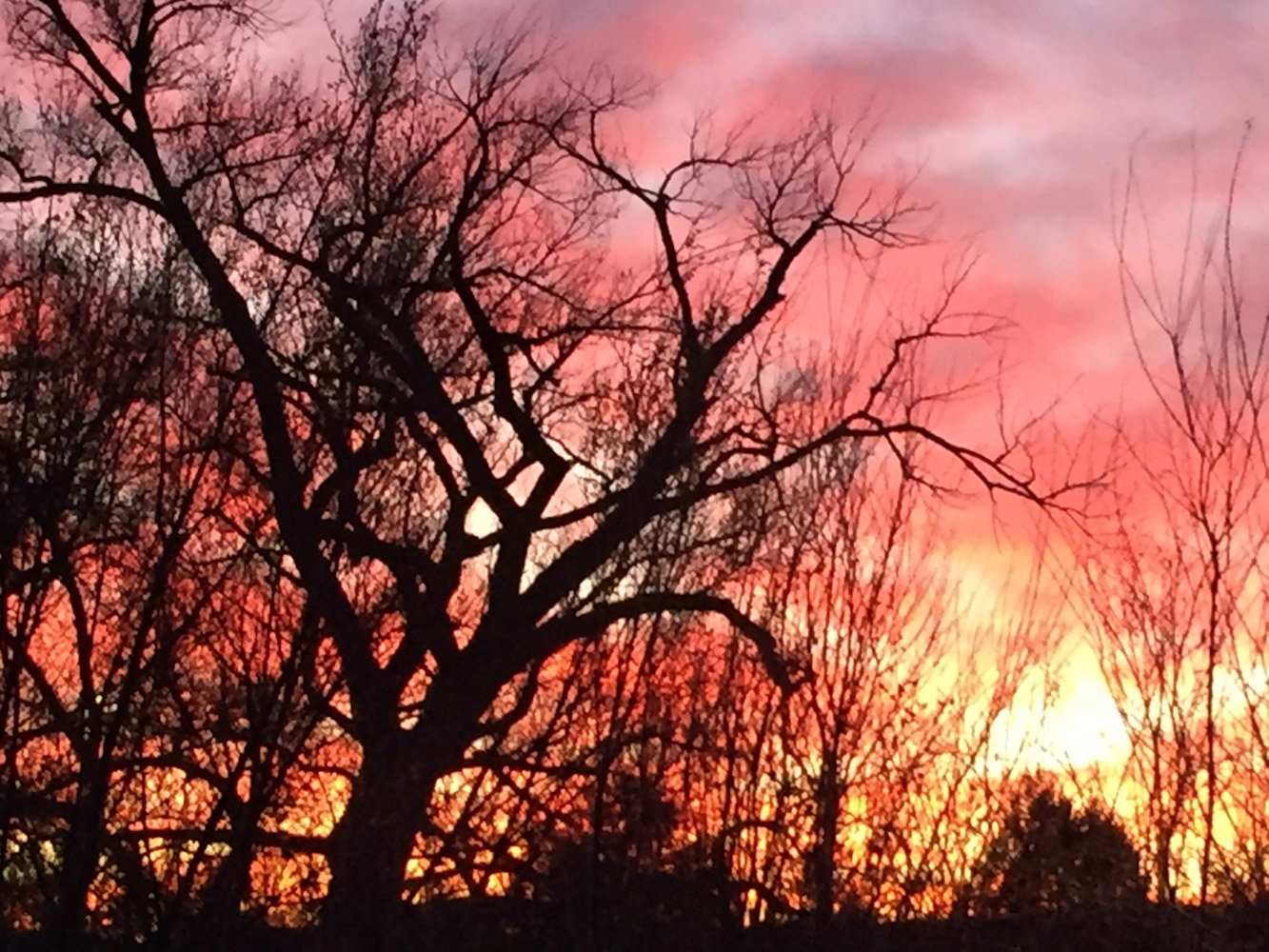
I am proud to have been an activist and remain one that is dedicated to speaking her truth as she sees it, writing her own protests around “the haunted frightened trees” and every other aspect of nature that is under fire. It is people like Bob Dylan who remind me that I must not give in.
Lyrics to:
It’s a Hard Rain that’s Gonna Fall (1962)
Oh, where have you been, my blue-eyed son?
Oh, where have you been, my darling young one?
I’ve stumbled on the side of twelve misty mountains
I’ve walked and I’ve crawled on six crooked highways
I’ve stepped in the middle of seven sad forests
I’ve been out in front of a dozen dead oceans
I’ve been ten thousand miles in the mouth of a graveyard
And it’s a hard, and it’s a hard, it’s a hard, and it’s a hard
And it’s a hard rain’s a-gonna fall
Oh, what did you see, my blue-eyed son?
Oh, what did you see, my darling young one?
I saw a newborn baby with wild wolves all around it
I saw a highway of diamonds with nobody on it
I saw a black branch with blood that kept drippin’
I saw a room full of men with their hammers a-bleedin’
I saw a white ladder all covered with water
I saw ten thousand talkers whose tongues were all broken
I saw guns and sharp swords in the hands of young children
And it’s a hard, and it’s a hard, it’s a hard, it’s a hard
And it’s a hard rain’s a-gonna fall
And what did you hear, my blue-eyed son?
And what did you hear, my darling young one?
I heard the sound of a thunder, it roared out a warnin’
Heard the roar of a wave that could drown the whole world
Heard one hundred drummers whose hands were a-blazin’
Heard ten thousand whisperin’ and nobody listenin’
Heard one person starve, I heard many people laughin’
Heard the song of a poet who died in the gutter
Heard the sound of a clown who cried in the alley
And it’s a hard, and it’s a hard, it’s a hard, it’s a hard
And it’s a hard rain’s a-gonna fall
Oh, who did you meet, my blue-eyed son?
Who did you meet, my darling young one?
I met a young child beside a dead pony
I met a white man who walked a black dog
I met a young woman whose body was burning
I met a young girl, she gave me a rainbow
I met one man who was wounded in love
I met another man who was wounded in hatred
And it’s a hard, it’s a hard, it’s a hard, it’s a hard
It’s a hard rain’s a-gonna fall
Oh, what’ll you do now, my blue-eyed son?
Oh, what’ll you do now, my darling young one?
I’m a-goin’ back out ’fore the rain starts a-fallin’
I’ll walk to the depths of the deepest black forest
Where the people are many and their hands are all empty
Where the pellets of poison are flooding their waters
Where the home in the valley meets the damp dirty prison
Where the executioner’s face is always well hidden
Where hunger is ugly, where souls are forgotten
Where black is the color, where none is the number
And I’ll tell it and think it and speak it and breathe it
And reflect it from the mountain so all souls can see it
Then I’ll stand on the ocean until I start sinkin’
But I’ll know my song well before I start singin’
And it’s a hard, it’s a hard, it’s a hard, it’s a hard
It’s a hard rain’s a-gonna fall.
Discover more from Feminism and Religion
Subscribe to get the latest posts sent to your email.

Read the full article on the original source
