




Food & Beverage News: Insights, Safety, and Dining Trends
- Design defined work zones: create distinct prep, cooking, cleanup, and serving areas to reduce overlap.
- Make prep space the priority: wide counters near sink, easy access to knives, boards, trash; consider an island.
- Give the range landing space on both sides, choose wide grates, and store cookware nearby for smoother workflow.
- Plan clear traffic paths: wide aisles, fridge placement away from the cooking zone, avoid crossings that block ovens or dishwashers.
- Use smart storage, duplicate high-use tools, position sink/dishwasher for cleanup flow, add task lighting and safety features.
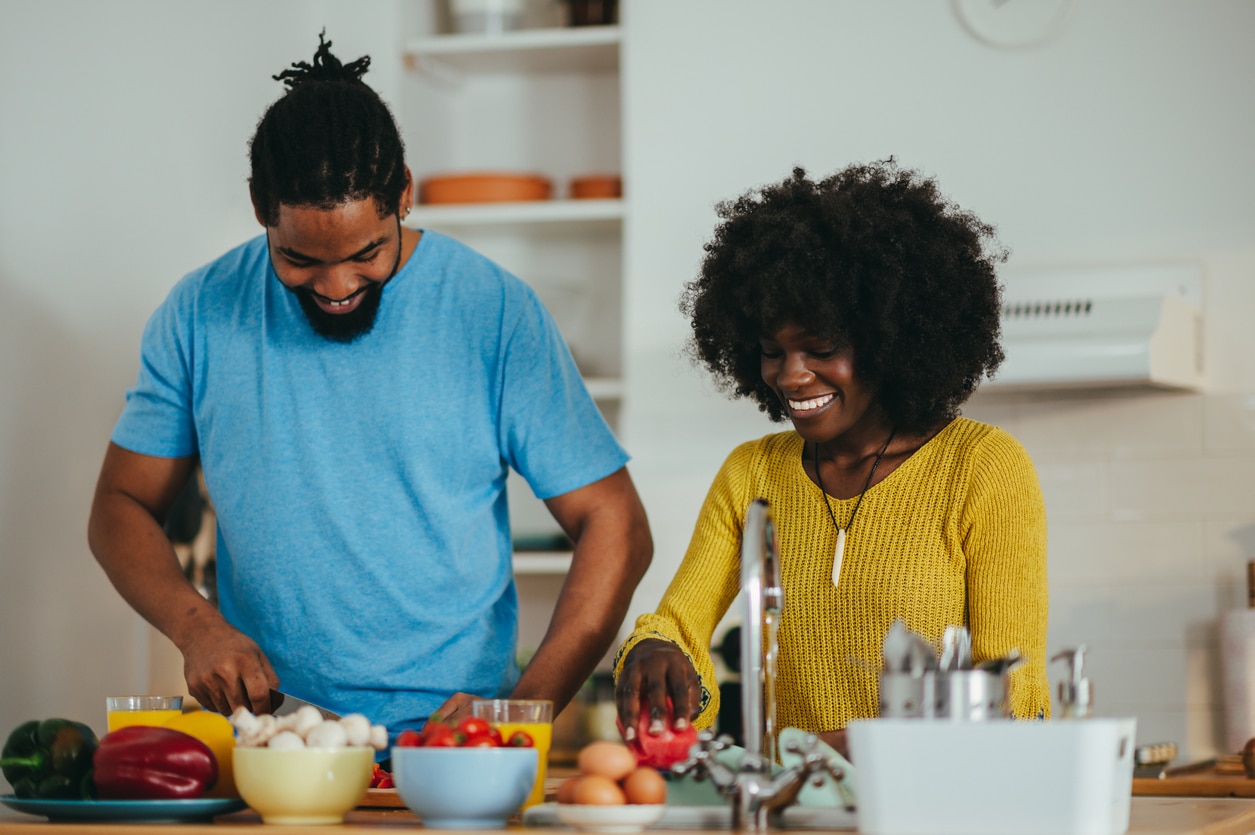
Cooking with more than one person can make dinner faster and more enjoyable. However, it can also turn a kitchen into a crowded space full of elbows, open drawers, hot pans, and crossed paths.
A home kitchen that supports multiple cooks needs more than extra counter space. You’ll also need the right appliances to keep up and a layout that lets each person work without blocking another cook. Here are some design tips to help you create a seamless home kitchen layout for multiple people.
Start With the Way You Use Your Home Kitchen
Good home kitchen design starts with real cooking habits. Think about how many people cook at the same time. Also consider who usually does the prep work, who handles cleanup, and who plates food.
A shared kitchen should reduce overlap. Each major task needs enough space to happen without constant stepping aside.
Build Around Work Zones
A multi-cook kitchen usually needs zones more than a single-person space. Zones give each person a defined place to work. This keeps movement clear and helps prevent crowding around one counter.
Useful kitchen zones include:
- Prep zone: Counter space near knives, cutting boards, mixing bowls, and trash
- Cooking zone: Range, oven, cookware, utensils, oil, and seasonings
- Cleanup zone: Sink, dishwasher, dish soap, towels, and compost
- Serving zone: Plates, bowls, serving tools, and finished dishes
Each zone should have the tools needed for that task, rather than having to reach across zones for what you need.
Give the Range Enough Breathing Room
The range often becomes the busiest spot in the kitchen. Serious home cooks may use multiple cooking methods during the same meal. Plan landing space on both sides of the range. This gives cooks a safe place for hot pans, spoons, baking sheets, and ingredients.
Burner layout also matters. Wide grates and easy access to controls help when several dishes need attention. Home cooks planning a range upgrade should match your range to your kitchen design before finalizing cabinets or counters. The right fit can improve both cooking flow and daily comfort.
RELATED: Kitchen Upgrades to Make Cooking Traditional Food Easier
Make Prep Space the Main Priority
Prep work creates the most traffic in a shared kitchen. Chopping vegetables, trimming meat, rolling dough, and mixing sauces all need room. A strong prep zone needs a wide counter surface near the sink. It also needs quick access to knives, bowls, cutting boards, and trash.
An island can help when the kitchen has enough clearance. It gives one cook space to prep while another cook works at the range. Avoid placing the only prep counter in a corner. Corners trap movement and force cooks to work shoulder to shoulder.
Plan Clear Traffic Paths
A home kitchen with multiple cooks needs wide paths. Tight aisles slow everyone down and increase the risk of spills or burns. Aim for generous space between counters, islands, and appliance doors. More clearance helps when one person opens the oven while another person moves behind them.
Traffic should not cut through the cooking zone. Place the refrigerator where cooks and noncooks can reach it. This reduces interruptions during busy meal prep.
Use Storage to Reduce Collisions
Storage placement can make or break a multi-cook kitchen. Tools should rest near the place where cooks use them.
Store pots and pans close to the range. Keep baking sheets near the oven. Place knives and cutting boards near the prep zone.
Duplicate a few high-use tools when space allows. Two cutting boards, two tongs, and extra measuring spoons can reduce waiting. Deep drawers often work better than lower cabinets. Cooks can see pans and tools without crouching or unloading a shelf.
Design the Sink Area With Care
The sink can become another traffic jam. One person may rinse produce while another drains pasta or loads dishes.
A large single-basin sink can handle big pots and sheet pans. A double-basin sink can help separate prep from cleanup. Place trash and compost near the sink and prep zone. This keeps scraps from traveling across the kitchen.
Keep Cleanup Out of the Cooking Path
Cleanup should not interrupt cooking. A dishwasher that opens into the main walkway can stop the whole room. Place the dishwasher near dish storage when possible. This makes unloading faster and keeps clean plates near the serving area.
Create a cleanup zone with dish towels, soap, sponges, and trash nearby. That setup lets one person clean while another finishes cooking. Keep the range area clear of dirty dishes. The cooking zone needs space for active pans and ingredients.
Choose Appliances for Your Cooking Style
Appliances should support how the kitchen works during a busy meal. A flashy feature matters less than steady performance and easy access. A range with enough burner space can help multiple dishes cook at once. A convection oven can support roasting and baking during the same meal.
Think about appliance doors too. French-door refrigerators, side-opening ovens, and drawer microwaves can reduce blocked aisles in some layouts.
Improve Lighting for Each Task
One ceiling fixture rarely supports multiple cooks well. Each zone needs light that fits the task.
Prep counters need bright light with few shadows. The range needs clear lighting from the hood or nearby fixtures. Under-cabinet lighting can make chopping safer. Pendant lights can help over an island when they do not block sightlines.
Make Room for Communication
Shared cooking works best when cooks can see and hear each other. A cramped layout makes every task harder.
Open sightlines help cooks coordinate timing. One person can ask about seasoning or check oven space without leaving a station.
Avoid tall cabinets or bulky fixtures that split the room awkwardly. Keep the main work zones connected enough for quick communication.
Think About Safety From the Start
More cooks means more movement near sharp tools and heat. Safety should guide every layout choice. Keep knives away from the main traffic path. Store heavy pots where cooks can lift them without reaching too high.
Use heat-resistant surfaces near the oven and range. Add outlets where small appliances can run without cords crossing walkways. Non-slip flooring also matters. Spills happen often when several dishes come together at once.
Design for Flexibility
Cooking needs change over time. A kitchen should support quick breakfasts, big dinners, baking projects, and meal prep days.
Flexible counter space helps most. Open surfaces can handle chopping one day and cooling racks the next. Movable carts can add storage and prep space. They work especially well in kitchens that lack room for a permanent island.
Adjustable shelves also help. Cookware, appliances, and pantry habits often change as cooking skills grow.
A home kitchen for multiple cooks should feel organized before anyone starts cooking. Clear zones, smart storage, wide paths, and practical appliances help each person focus on the food.
The best layouts reduce waiting and crowding. They also make room for the shared rhythm that turns everyday meals into a better cooking experience.
Read the full article from the original source
