




Business Insights: Global Markets, Strategy & Economic Trends
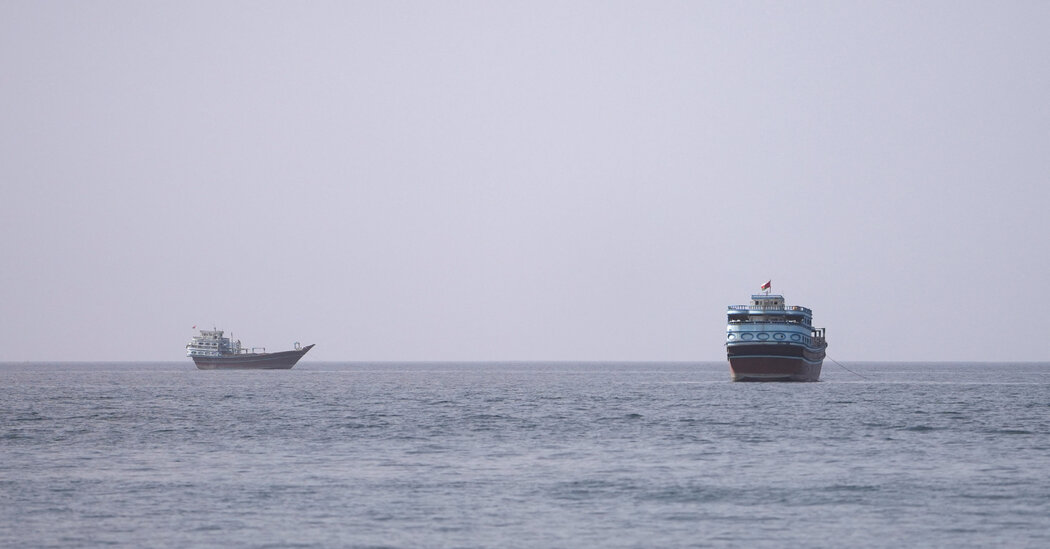
- Shipping through the Strait of Hormuz has dropped considerably, curbing crucial oil transit routes.
- Iran damaged multiple sites in Kuwait, hitting oil, power and water desalination facilities.
- The United States expanded strikes against Iranian bridges and other critical infrastructure.
- The widening conflict comes as energy markets are vulnerable; oil stockpiles remain smaller than after U.S.-Israeli strikes in February.
- Ukraine attacks severely damaged Russian refineries, tightening supplies of transportation fuels such as diesel.
Oil prices rose and stock futures were little changed on Sunday evening after a weekend of fighting between the United States and Iran that left at least three American service members dead in Jordan and Iraq.
The United States has also begun sending more warplanes to the Middle East, signaling that the war may soon ratchet up further, an ominous sign for both oil and stock markets.
Not only has shipping through the Strait of Hormuz dropped off considerably, but regional energy infrastructure is again being targeted. Iran in recent days has damaged several sites in Kuwait, including oil and power facilities and water desalination plants. The United States, for its part, has expanded its attacks to include Iranian bridges and other critical infrastructure.
The conflict is widening at a vulnerable time for energy markets. Oil stockpiles are now smaller than they were when U.S.-Israeli strikes on Iran began at the end of February, and Ukrainian attacks have severely damaged Russian refineries, tightening supplies of transportation fuels like diesel.
Read the full article from the original source
