




From Campus to Classroom: Stories That Shape Education
- Texas Southern University plans a 10,000-seat on-campus stadium anchoring a redesigned athletics district and extended Tiger Walk.
- Phase One secures a funded health and wellness center; Phase Two adds stadium, recruiting center, and expanded student housing; Phase Three builds academic facilities.
- Funding depends on private partnerships, donors, and state support as TSU frames the plan as a corrective investment in HBCU infrastructure.
The Texas Southern University stadium plan is the most ambitious infrastructure vision in the school’s history — and it signals a new era for HBCU athletics in Houston.
Texas Southern University unveiled a sweeping $1.7 billion campus master plan on July 11, 2026, placing a brand new on-campus football stadium at the center of a 10-year vision to completely transform the university’s physical footprint. The proposed stadium would seat approximately 10,000 fans and anchor a newly redesigned athletics district on TSU’s Houston campus. Moreover, the plan stretches far beyond football — encompassing new academic buildings, updated student housing, improved infrastructure, and a campus experience designed to compete with any institution in Texas.
Why TSU Is Playing Games 2.7 Miles From Campus Right Now
To understand what this plan means, you first have to understand where Texas Southern football currently stands.
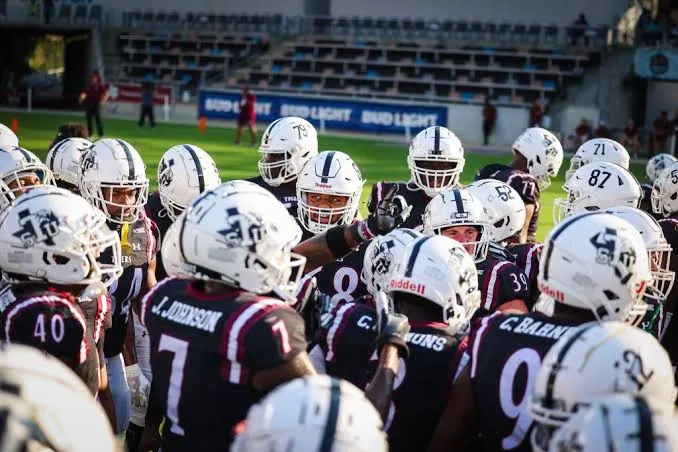
The Tigers have played their home games at Shell Energy Stadium in downtown Houston since 2012 — roughly 2.7 miles from the TSU campus. That arrangement has served the program, but it has also come with real costs. Playing off-campus disconnects the game-day experience from the energy of student life. It limits the organic fan engagement that comes when thousands of students can walk across the yard to watch their team play. Furthermore, it sends a message — intentional or not — that the university’s athletic infrastructure is not yet ready to host at its own front door.
TSU President J.W. Crawford III addressed that reality directly. “If you continue to have outdated, unused facilities on your campus, you’re sending a message,” Crawford said. He emphasized that upgraded facilities are not simply a luxury — they are a critical tool for attracting students, athletes, partners, and resources to the institution.
What the Texas Southern University Stadium Plan Actually Includes
The stadium is the centerpiece of Phase Two of the master plan, scheduled for development between years three and five. However, the full plan goes well beyond one venue.
Phase One focuses on immediate infrastructure improvements — including a health and wellness center that has already secured targeted funding, signaling that this plan is not just a vision document. Phase Two introduces the football stadium alongside a new athletics recruiting center and expanded student housing. Phase Three completes the long-term campus transformation with additional academic and community-facing facilities.
The stadium design will include enhancements to the broader game-day experience. Plans call for improved campus access, expanded parking, and an extended Tiger Walk — one of TSU’s most cherished campus traditions. As a result, the new facility will not simply be a football stadium. It will be a destination that anchors HBCU culture on TSU’s campus in a way that Shell Energy Stadium simply cannot replicate.
Track-and-field facilities will also relocate as part of the redesign, creating a more cohesive athletics district that serves multiple programs simultaneously.
Funding Is the Next Mountain to Climb
The $1.7 billion vision is ambitious — and university officials are clear-eyed about what it will take to get there.
Funding will come through a combination of private partnerships, donor contributions, and state support. No single source will carry the weight alone. Consequently, TSU’s ability to execute on this plan depends on building the kind of institutional momentum that attracts major donors and philanthropic partners over time.
That is not a small ask. However, it is also not without precedent. HBCU institutions have secured transformative investments in recent years — from MacKenzie Scott’s hundreds of millions in unrestricted gifts to state-level funding packages like the nearly $45 million North Carolina just committed to Winston-Salem State. The appetite to invest in HBCUs is real. TSU is now making the case that Houston’s HBCU deserves its share of that momentum.
A Statement About What HBCUs Deserve
The Texas Southern University stadium plan is about more than concrete and turf. Rather, it is a statement about what HBCUs deserve and what TSU intends to become.
TSU has faced the same infrastructure challenges that have held back many historically Black institutions — challenges rooted not in a lack of vision but in decades of underfunding relative to predominantly white peers. Crawford’s administration is choosing to respond to that history not by managing it, but by building past it.
A 10,000-seat on-campus stadium. A redesigned athletics district. New academic buildings. Modern student housing. All of it connected by the Tiger Walk and anchored by the kind of game-day energy that turns casual fans into lifelong alumni donors.
That is not just a construction plan. Moreover, it is a recruiting pitch, a fundraising argument, and a declaration of institutional ambition that the entire HBCU community should be watching.
The plan is in motion. The vision is set. Now it is time to build.
Read the full article on the original site
