




Real Estate News & Market Insights:
- Scott Turner says 'housing first' failed, urging housing paired with recovery and self-sufficiency rather than unconditional placements.
- HUD seeks a 13% budget cut, proposing $10.7 billion reductions that target diversionary, fair housing, CDBG and HOME programs.
- National Association of Realtors and National Association of Home Builders warn cuts threaten middle and lower income homeownership, urging full funding for stability programs.
- National Coalition for the Homeless says the administration misrepresents homelessness; targeted, well funded interventions work, warning against time-limited aid and program cuts.
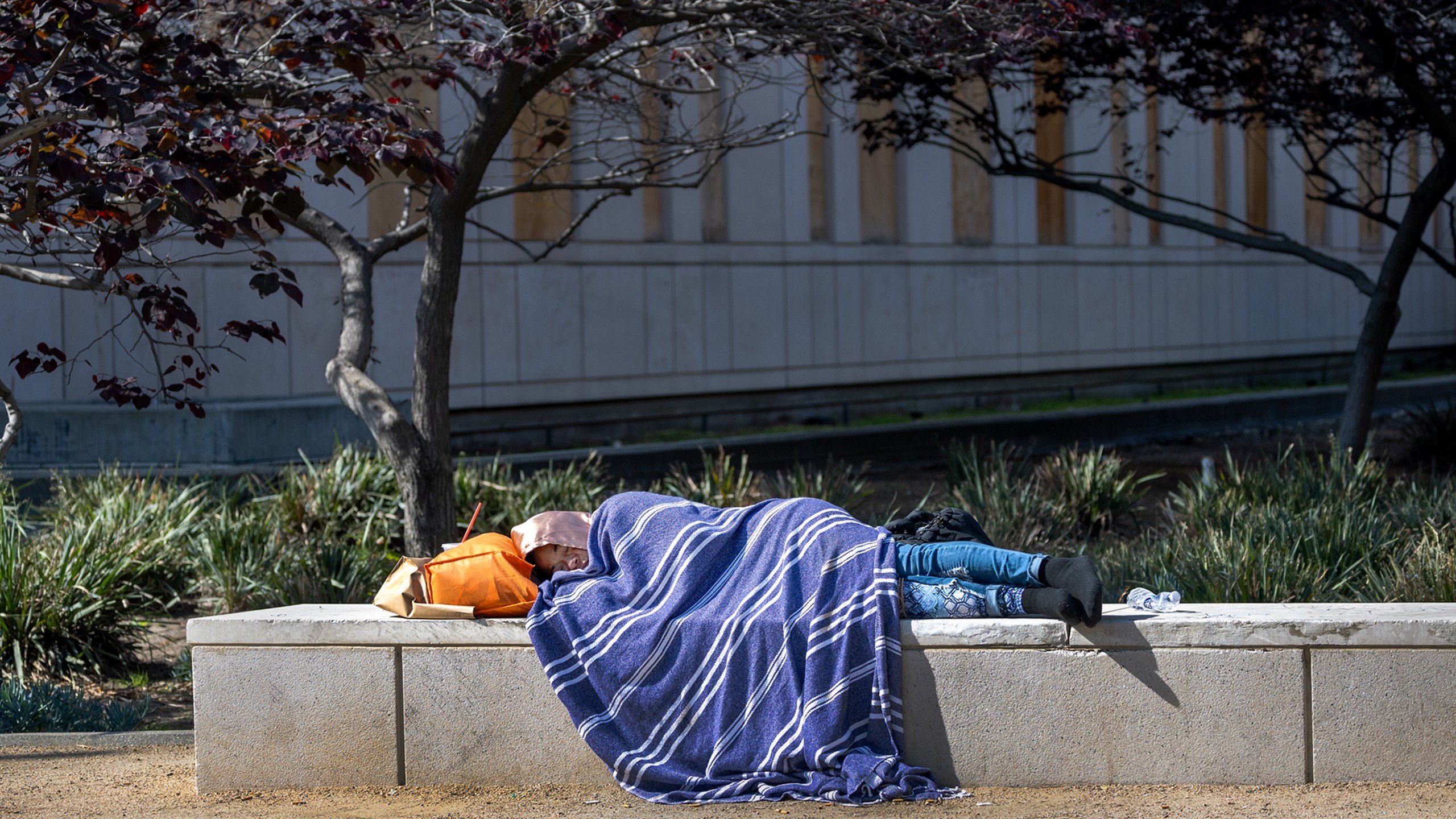
Homelessness has increased by nearly a third over the past 12 years, according to new data from the U.S. Department of Housing and Urban Development.
HUD reported 745,652 homeless people in the country as of January 2025, according to its most recent count. That’s a 27% increase since 2013 but a 3% decrease since 2024, a decline the department attributed to reductions in “sanctuary cities.”
HUD Secretary Scott Turner, who is seeking dramatic cuts to the department’s budget, argued the long-term increase in homelessness highlighted the failure of ‘housing first’ programs that offer housing without requiring treatment programs for addiction or other preconditions.
“The data is clear that the status quo of ‘housing first’ has failed to meaningfully reduce homelessness, resulting in crisis levels of people living on the streets,” Turner said in a statement. “HUD is restoring its programs to advance recovery and self-sufficiency and to ensure that taxpayer-funded benefits serve American families.”
The report comes as HUD’s leadership seeks a 13% budget reduction as the Trump administration criticized housing programs, claiming they were derailed by “woke” causes. The federal budget request for HUD released earlier this year aimed to cut significant homeless diversionary programs.
The National Association of Realtors, the National Association of Home Builders, and other advocacy groups have sounded the alarm over the proposed budget cuts. Those groups say several of the housing programs on the chopping block help people in middle and lower incomes achieve, and retain, homeownership.
Budget battle
Last month, Turner told members of Congress he was critical of “housing first” programs, which aim to provide housing quickly to homeless individuals. Housing must be paired with other support services, rather than offered unconditionally, he argued.
In a statement accompanying HUD’s latest report, he continued that criticism. In total, HUD’s latest count found more than 710,000 people living in taxpayer subsidized or funded housing for the homeless.
Some of these “housing first” programs were first implemented during the Obama administration in 2013. HUD said that since then, chronic homelessness increased 81%, even though spending on homelessness has increased. Taxpayer-funded beds increased 151% and continuum-of-care spending increased 111%.
HUD’s proposed funding cuts include $10.7 billion in prospective cuts, with Turner taking aim at Pathways to Removing Obstacles to Housing programs and fair housing programs.
The budget plan also includes potential cuts to the Community Development Block Grant and HOME Investment Partnerships. Those programs aim to let cities determine how to solve their affordable housing shortages individually.
Meantime, the administration proposed boosting Department of Veterans Affairs’ Homeless Programs Office by 16%, adding $531 million to its veterans programs.
Congress responded with a budget request that preserves HOME and CDBG programs plus some other funding, but still cuts HUD’s current budget. Congress will ultimately sign off on the budget, with more hearings expected in coming weeks.
State of affairs
From 2024 to 2025, homelessness declined significantly in California, New York State, and Florida. But it also increased in other states including Oregon, North Carolina, Utah and Colorado, according to HUD’s new report.
HUD’s annual report is intended to gauge the number of homeless people in the nation and the state of funding for homeless initiatives. So, the numbers don’t include people in unstable housing situations, such as those “couch-surfing” or staying with relatives.
The Campaign for Housing and Community Development Funding, a collection of 70 housing advocates, has urged full funding for housing programs, arguing they promote resident stability.
The National Coalition for the Homeless, a critic of the Trump administration’s approach, says it “fundamentally misrepresents” the issues. Programs under HUD’s purview provide assistance to as many as 4.4 million households, many of which could slide into homelessness without help.
“Targeted, well-funded interventions work,” the coalition said. “What does not work is pulling the rug out from under people and then blaming them for falling. Proposals such as those in President Trump’s cruel budget to impose time limits on assistance ignore the reality that poverty is not a timed condition; it is a systemic one.”
Get real estate news in your inbox
Read the full article on the original source
