




Aging Well: News & Insights for Seniors and Caregivers
- Address causes: medications, dental or swallowing problems, mood or chronic illness; consult a healthcare provider.
- Use small, frequent portions; add flavor and color; choose protein-rich, nutrient-dense foods; encourage shared mealtimes.
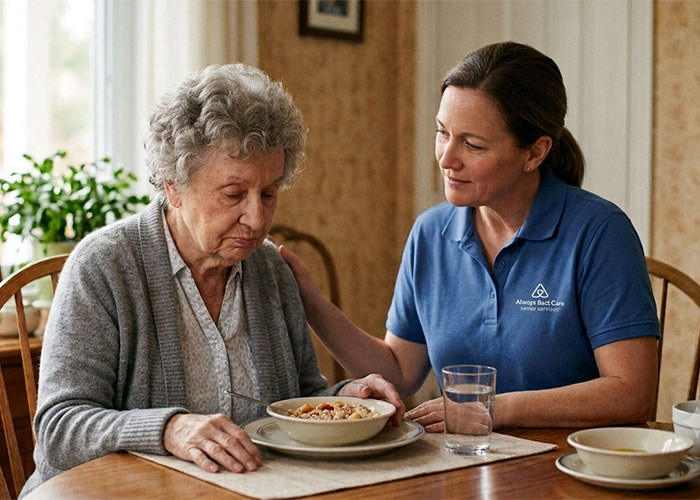
- Get practical help: caregivers can plan meals, shop, monitor appetite, provide companionship, and coordinate with Always Best Care or family.
Many families notice changes in a loved one’s eating habits as they age. A senior who once enjoyed regular meals may begin skipping breakfast, eating smaller portions, or showing little interest in food altogether. While occasional changes in appetite are normal, a persistent decrease in food intake can affect overall health, energy levels, and quality of life.
Good nutrition plays a critical role in healthy aging. It supports the immune system, helps maintain muscle strength, promotes healing, and provides the energy needed for daily activities. Understanding why appetite declines and knowing how to respond can help seniors stay healthier and more independent.
Why Appetite Changes with Age
There are many reasons why seniors may eat less than they once did. In some cases, aging itself can affect appetite. Changes in taste and smell, slower digestion, and lower activity levels can all influence how much a person wants to eat.
Other common factors include:
- Side effects from medications
- Dental problems or poorly fitting dentures
- Difficulty chewing or swallowing
- Chronic health conditions
- Depression, anxiety, or loneliness
- Memory loss or cognitive decline
Because multiple factors may be involved, it is important to pay attention to ongoing changes and discuss concerns with a healthcare provider.
The Risks of Poor Nutrition
When seniors consistently eat too little, their bodies may not receive the nutrients needed to function properly. Over time, poor nutrition can contribute to:
- Unintended weight loss
- Muscle weakness
- Increased fall risk
- Fatigue and low energy
- Slower recovery from illness or injury
- Weakened immune function
Even mild nutritional deficiencies can affect a senior’s ability to remain active and independent.
Make Meals More Appealing
Sometimes small adjustments can make a big difference in encouraging healthy eating. Meals that are visually appealing, flavorful, and easy to eat are often more inviting.
Consider these strategies:
- Add herbs and spices to enhance flavor
- Include a variety of colors and textures
- Serve favorite foods when possible
- Offer smaller portions more frequently throughout the day
- Choose nutrient-dense foods that provide more nutrition in smaller servings
Rather than focusing on large meals, many seniors do better with several smaller meals and snacks spread throughout the day.
Turn Mealtime into a Social Activity
Eating alone can reduce interest in food. Seniors who feel isolated may skip meals or eat less than they need.
Sharing meals with family members, friends, or caregivers can make eating more enjoyable. Conversation and companionship often encourage seniors to stay at the table longer and consume more of their meal.
Even something as simple as enjoying lunch together or sharing a cup of tea in the afternoon can help create positive mealtime experiences.
Address Underlying Health Concerns
If appetite changes occur suddenly or continue for an extended period, it may be time to investigate potential medical causes.
Families should pay attention to signs such as:
- Significant weight loss
- Difficulty chewing or swallowing
- Changes in mood or behavior
- Ongoing nausea or digestive issues
- Increased confusion or forgetfulness
A healthcare provider can evaluate whether medications, dental issues, or underlying health conditions may be contributing to the problem.
Focus on Nutrient-Rich Foods
When appetite is limited, every bite counts. Choosing foods that provide protein, vitamins, and healthy fats can help seniors meet their nutritional needs.
Good options may include:
- Eggs
- Greek yogurt
- Lean meats and fish
- Nut butters
- Beans and legumes
- Fresh fruits and vegetables
- Whole grains
Protein is especially important because it helps maintain muscle mass and strength, which support mobility and independence.
How Always Best Care Can Help
Maintaining proper nutrition can become more challenging as seniors age, particularly if they live alone or struggle with health issues. Always Best Care caregivers provide practical support that helps seniors maintain healthy eating habits.
Our caregivers can assist with:
- Meal planning and preparation
- Grocery shopping
- Encouraging hydration
- Monitoring eating habits and appetite changes
- Providing companionship during meals
- Communicating concerns with family members
By helping seniors maintain consistent nutrition, caregivers support both physical health and overall well-being.
Supporting Healthy Eating and Healthy Aging
A declining appetite should never be ignored. While changes in eating habits are common among older adults, proper nutrition remains essential for maintaining strength, energy, and independence.
With the right support and attention, seniors can continue to enjoy nutritious meals and the many benefits that come with healthy eating.
Call Always Best Care today at (855) 470-2273 to schedule a care consultation and learn how our compassionate caregivers can help your loved one maintain healthy eating habits and thrive at home.
Read the full article on the original source
