




Black Voices: Money and Employment News from Across the Nation
- Inflation rose to 3.8% in April, the highest since May 2023.
- The U.S.-Iran conflict spiked oil prices; energy made up over 40% of April's price increase.
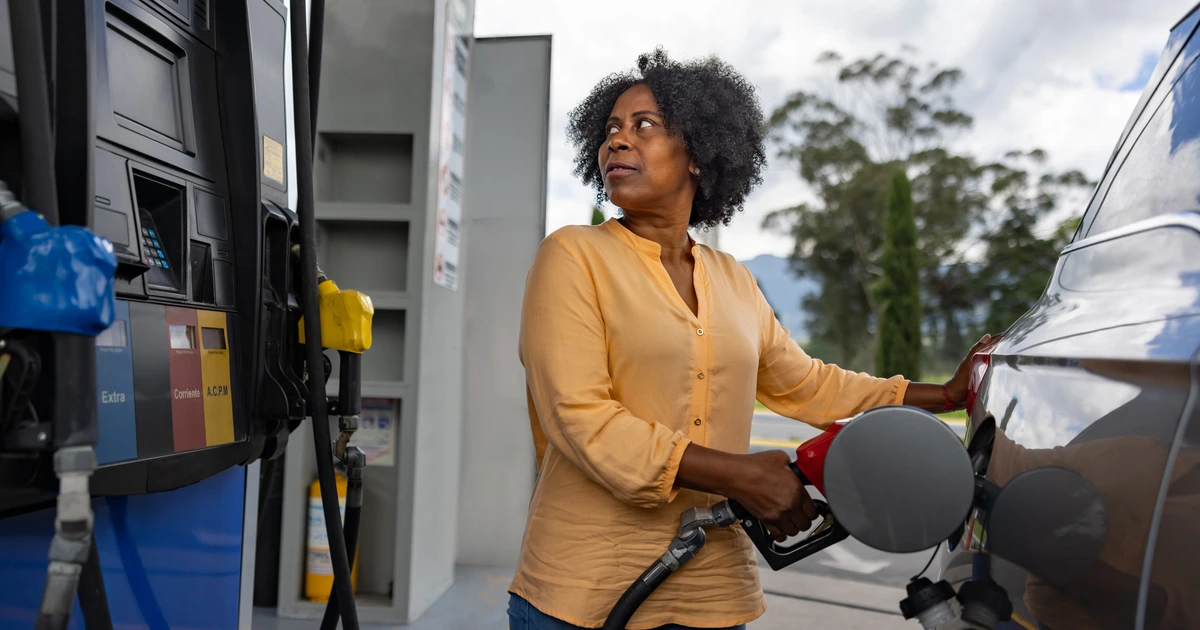
- Gas nearly doubled for many drivers; national average reached $4.50, while airfare rose over 20%, boosting grocery costs.
- Lower-income and Black households are hit hardest; basics take too large a share of paychecks.
- Economists expect inflation elevated through 2026; the Federal Reserve likely keeps rates, keeping credit and mortgages expensive.
If it feels like everything costs more right now, that’s because it does.
New federal data released Tuesday confirmed that inflation climbed to 3.8% in April, which is the highest it’s been since May 2023. For anyone who has had to take a few items off the belt at the checkout line recently or not been able to fill up your tank at the gas pump, your bank account is not new to this, it’s true to this.
This all comes back to the ongoing U.S.-Iran conflict (that we can thank our president for), which began in late February and sent oil markets into a spiral almost immediately. Since the conflict began, gas prices have nearly doubled for many drivers with the national average hitting $4.50 a gallon this week, compared to just over $3 a year ago. Oil is connected to the cost of just about everything, and energy costs made up more than 40% of April’s total price increase as a result. If you’ve been thinking about where you and the group chat will be hitting vacation this year, just know that flying anywhere costs significantly more than it did a year ago, with airfare up over 20%, and groceries have followed right along.
Lower-income households absorb the most damage in moments like this. And for families already stretched thin, there’s no category to cut when everything goes up at once. The basics take up too much of the paycheck to begin with. Most financial advice assumes there’s something left over to work with. For a lot of families right now, there isn’t. Black households, already navigating a persistent wealth gap, are usually the first to feel it in their actual finances.
Regionally, the Northeast is seeing the steepest increases at 4.4%, followed by the Midwest at 4.1%, the South at 3.6% and the West at 3.5%. The South’s number being smaller doesn’t mean Southern households are breathing easy. The checkout line feels the same everywhere.
Expect the next few weeks of coverage to focus heavily on interest rates. Economists broadly expect inflation to stay elevated through the rest of 2026, with one key gauge potentially hitting 4% by year’s end, according to Scott Lincicome of the Cato Institute. The Federal Reserve, which has been holding interest rates steady, isn’t expected to cut them in this environment, meaning credit cards, car payments and mortgages stay expensive too. Even when the conflict winds down, economists say the recovery won’t be immediate. Anyone who lived through the last inflation cycle knows prices are a lot easier to raise than they are to bring back down.
For most people, inflation is the decision you make in the middle of the grocery store or when you’re recalculating your budget on a random Wednesday because the numbers stopped adding up the way they used to. That’s the part no report fully captures, and likely in particular, because it’s hitting Black households the hardest.
Read the full article on the original publication
