




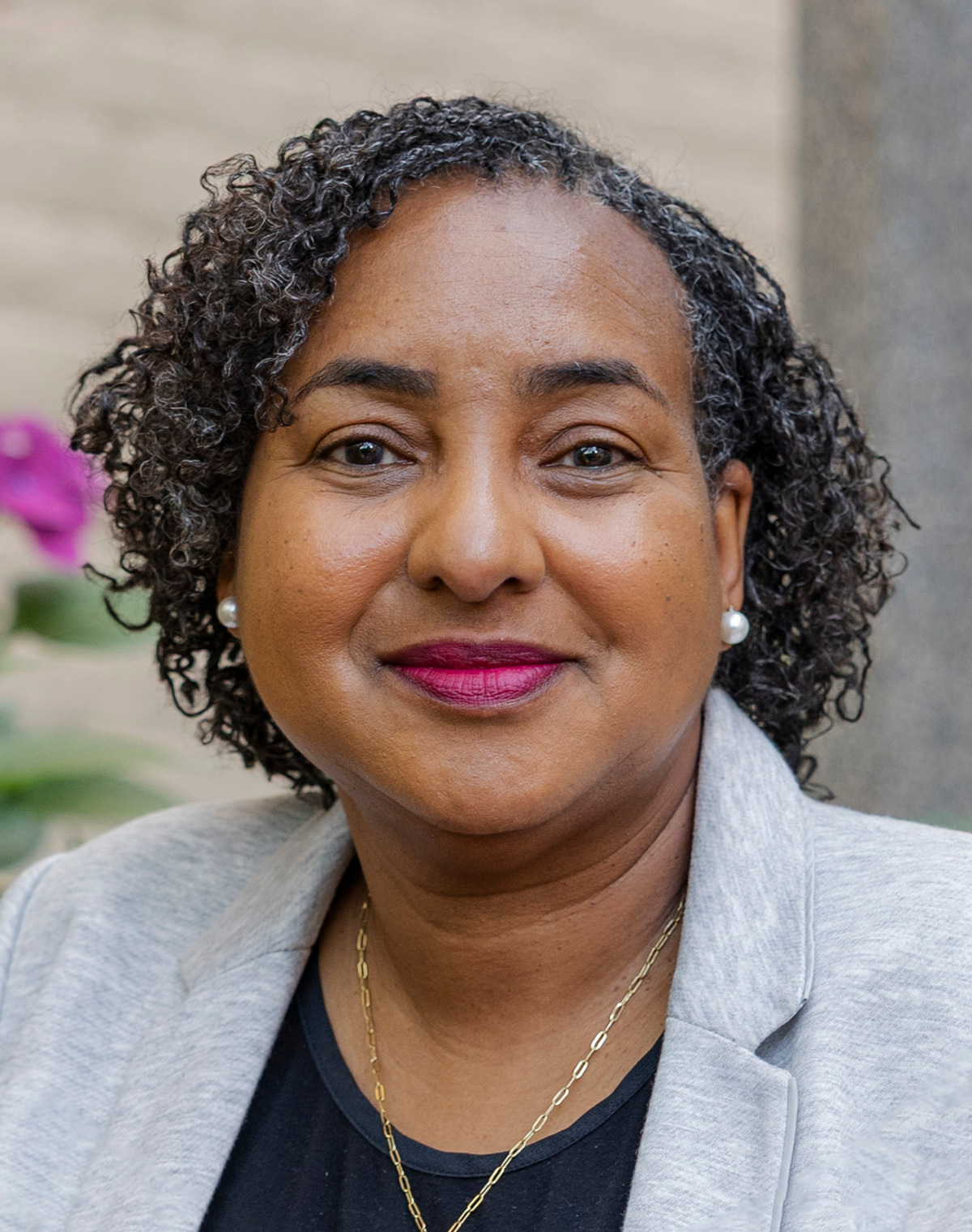
On the 20th anniversary year of the federal law that created the Gullah Geechee Cultural Heritage Corridor, the commission which manages it has chosen a new leader.
- Djuanna Brockington named full-time executive director of the Gullah Geechee Cultural Heritage Corridor, starting April 1.
- Brockington aims to strengthen systems, partnerships, and resources to preserve Gullah Geechee history and support culture stewards.
- 2026 initiatives feature regional summits, climate adaptation guidance, combating encroaching development and gentrification, and sustaining businesses owned by Black women.
- The corridor, a federally designated National Heritage Area, was authored by Rep. James E. Clyburn and uniquely preserves Gullah Geechee cultural stories.

The corridor’s 14-member commission selected Djuanna Brockington, who grew up in Goose Creek, to fill the position she has held as the interim leader since February 2024. She begins full-time on April 1.
Being at the corridor’s helm, Brockington said, it is “my vision to continue to strengthen the systems, partnerships, and resources necessary to ensure that Gullah Geechee history ispreserved and the people who steward the culture” are supported.
The corridor’s commission is the policy-making body for the region created by Congress in 2006 to protect Gullah Geechee culture, natural resources and historic sites in a narrow four-state coastal region that extends from Wilmington, N.C., to St. Augustine, Fla. Gullah Geechee people are the descendants of West Africans who were enslaved along this coastal region.
Dr. Dionne Hoskins-Brown of Savannah, Ga., the commission’s chairperson said, “The commission has full confidence in (Brockinton’s) vision and leadership as the corridor continues to grow its impact.”
The corridor’s previous executive director, St. Helena Island native Victoria Smalls, was hired in July 2021. She alleged in a lawsuit that she was wrongfully fired in November 2023. Small’s attorney, Donald Gist of Columbia, said the lawsuit was settled.
During Smalls’s two years of service, she oversaw the move of the corridor’s office from Johns Island to Beaufort. Brockington said the corridor has a temporary office in North Charleston. So far, she added, there has been no formal discussion for a location of the organization’s next headquarters.
When Brockington was named interim director in February 2024, she said she had no plans to apply for the job. “I absolutely had no intentions of applying,” she recalled. But as she continued in the position it began to match her personal and career objectives. “I wanted my time here to be a little longer to continue to bring the corridor to the next iteration of itself,” she said.
A busy 20th anniversary
The corridor’s 2026 schedule is still being written, but so far, it includes a variety of new events and programs to help Gullah Geechee people in each of the four states discuss topics important to them, Brockington said. The programs also include offering information to mitigate climate change, combat encroaching development and gentrification and sustain businesses owned by Black women, she added.
On April 18, the corridor will hold an in-person regional summit in Wilmington, N.C., with a Black church crawl. The South Carolina summit will be held on June 26 in Georgetown. Last year, virtual summits were staged in Florida and Georgia. No in-person summits occurred in the Carolinas last year due to the government shutdown from Oct. 1 to Nov. 12. The shutdown, Brockington added, also delayed the commission’s search for a new executive director.
“The twentieth anniversary is not just a milestone,” Brockington said. “It is an opportunity to invest in the next generation of Gullah Geechee programming to make sure the next 20 years is not only about preserving culture but also helping communities build sustainable futures.” As a national heritage area, the corridor receives federal funds. “The goal is to be less reliant on federal funding,” she said.
The Gullah bill’s author
Rep. James E. Clyburn, D-S.C., wrote the 2006 legislation that created the corridor that passed Congress in October of that year. It is one of 62 National Heritage Areas in the country managed by the National Park Service (NPS). The Gullah Geechee corridor is unique, however. because the stories told in it only come from one group.
It is one of three heritage areas in South Carolina. Two decades ago some people said South Carolina is too small to have another heritage area, Clyburn recalled. “But I thought something needed to be done to preserve the culture to put some constraints on development that could very well destroy much of the culture,” he said.
Clyburn said he doubts Congress would approve the bill today given the anti-Black history sentiment in Washington. “People are reacting to a new wave of redeemer politics that seems to be sweeping the country,” he said. “I use that term (redeemer politics) because in my most recent book, I refer to these people as they refer to themselves. They want to redeem the antebellum south.”
Without hesitation he called the Gullah Geechee bill his most popular piece of legislation. “People are intrigued by Gullah Geechee,” he said. As the bill was debated, legislators and others learned that Gullah Geechee was more than a language, and it was not a derogatory term, he said. Gullah Geechee people embraced it because it gave the culture long-overdue recognition, he explained.
The 85-year-old Emory Campbell of Hilton Head Island, a legend in the state’s Gullah Geechee community, was the commission’s first chairman. The Charleston area has always had the greatest admiration for Gullah culture, Campbell said, through the preservation of foodways and the African coiled basket tradition.

“But Charleston and the nearby sea islands have grown so fast that we still have that problem (in Charleston and elsewhere in the corridor over) the retention of land in our families,” he said.
Of note: In the early years of the Gullah Geechee Cultural Heritage Corridor, Emory Campbell of Hilton Head Island called Michael Allen of Mount Pleasant the corridor’s compass. Allen helped prepare a study that accompanied the federal legislation that created the corridor in October 2006.
