




Global Black Voices: News from around the World
- Senior officials allege hardline TPLF elements, reportedly backed by Eritrea, are rebuilding forces and preparing a fresh offensive.
- Reports by Human Rights First Ethiopia allege forced recruitment across Tigray, while a draft mobilisation law would punish draft evasion and critics.
- TPLF leaders reject war allegations, even as critics say the Pretoria Agreement is being abrogated, heightening regional alarm and African Union concern.
powder keg
Reports of forced conscription, a controversial mobilisation law and allegations of military build-up have heightened fears that northern Ethiopia could be edging towards renewed conflict, drawing Pretoria peace deal architect Olusegun Obasanjo back to Tigray.
Few figures are more closely associated with the fragile peace that followed Ethiopia’s Tigray war than Olusegun Obasanjo.
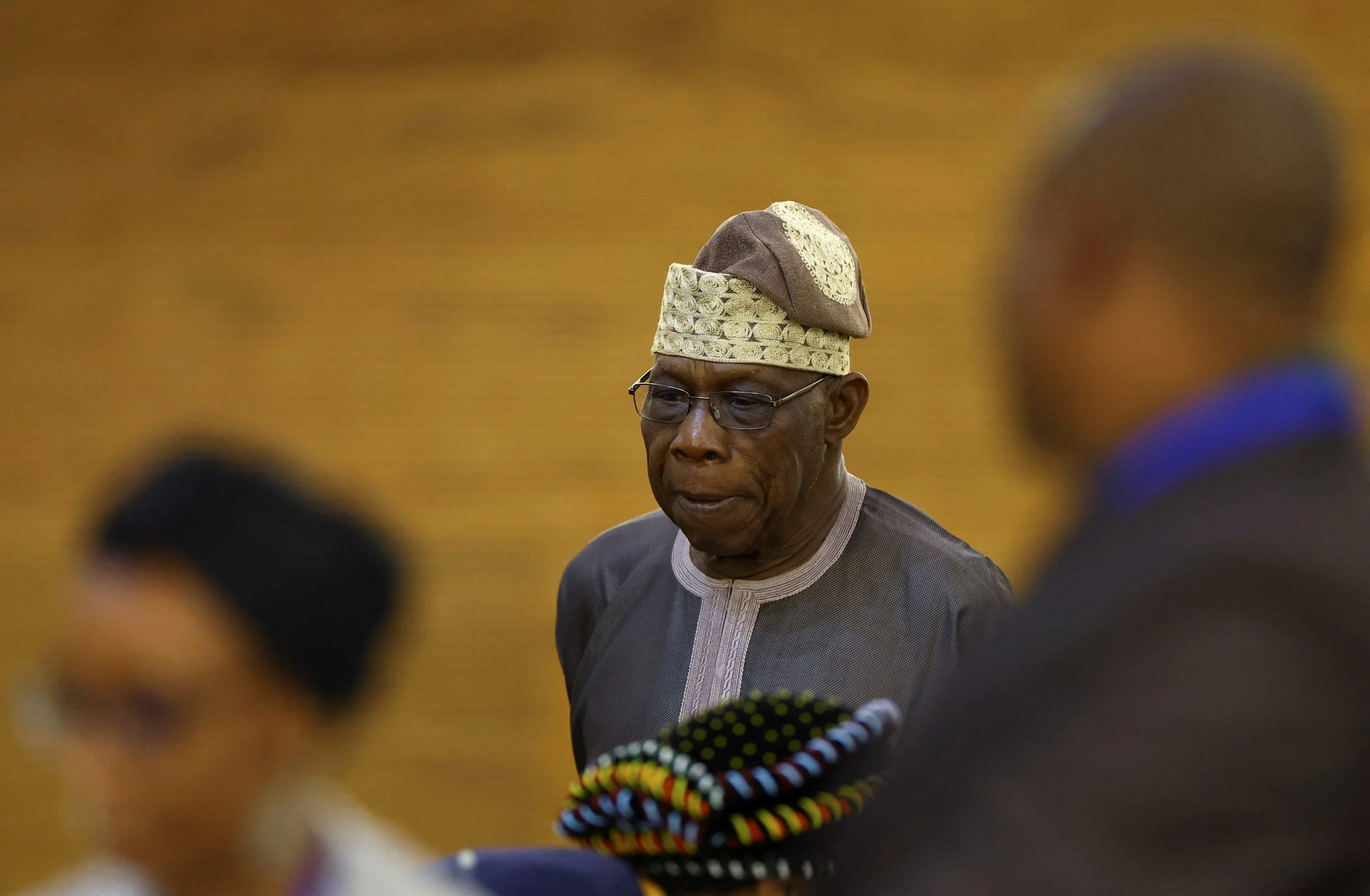
The former Nigerian president, who helped broker the Pretoria Agreement in November 2022, arrived in the regional capital of Mekelle on Thursday amid rising political tensions, allegations of forced recruitment, reports of drone strikes and increasingly stark warnings from senior Ethiopian officials about the risk of renewed hostilities.
He arrived in Mekelle on the same day Ethiopia’s intelligence chief, Redwan Hussein, and former Tigray interim president Getachew Reda warned that hardline elements within what they described as a “rump TPLF [Tigray People’s Liberation Front]” were preparing to launch an offensive against the federal government “in the coming days”.
So how seriously should Ethiopians and the wider Horn of Africa take these claims?
Obasanjo’s emergency mission
The African Union’s special envoy for the Horn of Africa was received by TPLF chairman Debretsion Gebremichael, who was sworn in as regional president following a vote last month that the federal government does not recognise.
For many observers, the timing of the visit reflects growing concern within the African Union that the settlement reached in Pretoria is facing its most serious challenge yet.
The dispute over Tigray’s political future is only one reason tensions are rising. Far more worrying are warnings from senior Ethiopian figures that the region could be moving from political confrontation towards military conflict.
Claims of a looming offensive
The most dramatic warning has come from Redwan Hussein and Getachew Reda. Writing jointly in Al Jazeera, the pair alleged that hardline TPLF elements backed by Eritrea are preparing a fresh military campaign against the federal government.
“The rump TPLF has openly abrogated the Pretoria Agreement and is now gearing up for active and open hostility against the federal government,” they said.
The two officials argued Eritrean operatives have continued cultivating alliances among factions opposed to the peace agreement and accused hardliners within the TPLF of rebuilding military capacity. They further claimed that preparations for a new offensive are already underway.
The allegations are particularly significant because Getachew himself was, until recently, one of the most senior political figures in Tigray and headed the interim administration created under the Pretoria Agreement.
TPLF leaders have consistently rejected suggestions that they are preparing for another war and have not publicly accepted the accusations made by Redwan and Getachew.
Mobilisation fears
A report by Human Rights First Ethiopia (HRFE) alleges that forced recruitment campaigns are taking place across several parts of Tigray. Based on interviews with 27 witnesses, the organisation says former fighters are being rounded up and returned to military service, while young men are being detained during sweeps at markets, bars, transport hubs and other public gathering places.
One of the most widely reported incidents allegedly took place during the UEFA Champions League final, when armed men rounded up hundreds of young people from bars and viewing centres in northwestern Tigray.
While the allegations have not been independently verified, similar claims have been echoed by opposition groups and local media.
The controversy has deepened following the emergence of a draft mobilisation law proposed by the TPLF. The legislation would make military service compulsory and impose penalties on those accused of helping draft evaders.
Most controversially, individuals accused of using media or other platforms to discourage mobilisation could face prison terms of between five and fifteen years. Supporters say the measure is necessary to organise Tigray’s defence, while critics view it as evidence of a broader military build-up and a potential threat to free expression.
Read the full story from the original publication
