


Close Menu
Savannah HeraldSavannah Herald
    • Home
    • News
      • Local
      • State
      • National
      • World
      • HBCUs
    • Events
    • Directories
    • Weather
    • Traffic
    • Sports
    • Politics
    • Lifestyle
      • Faith
      • Senior Living
      • Health
      • Travel
      • Beauty
      • Fashion
      • Food
      • Art & Literature
    • Business
      • Real Estate
      • Entertainment
      • Investing
      • Education
    • Guides
      • Summer Camp Guide
      • Juneteenth Guide
      • Black History Savannah
      • MLK Guide Savannah
    We're Social
    • Twitter
    • Facebook
    • YouTube

    Subscribe to Updates

    Get the latest creative news from FooBar about art, design and business.

    Trending
    • How Paid Influencers Hype Polymarket’s Odds
    • Buffy the Vampire Slayer and Ted Lasso star Anthony Head dies aged 72
    • Atlanta Fed Announces New Members and Chair of Community Depository Institutions Advisory Council
    • National HIV Testing Day Events Scheduled for June 27 in Chatham and Glynn Counties
    • Raising the Standard: Inclusive Hairdressing Education from Day One
    • Weaving a New Economy: Gullah Geechee Baskets and the Price of Heritage
    • HBCU News – HBCU turns to former WNBA standout as next head coach
    • ‘Family values’ African charter condemned by rights groups as regressive and dangerous | Human rights
    Facebook X (Twitter) Instagram YouTube
    Login
    Savannah HeraldSavannah Herald
    Savannah HeraldSavannah Herald
    Home » Weaving a New Economy: Gullah Geechee Baskets and the Price of Heritage
    Culture

    Weaving a New Economy: Gullah Geechee Baskets and the Price of Heritage

    Savannah HeraldBy Savannah HeraldJune 5, 20266 Mins Read
    Facebook Twitter Pinterest LinkedIn WhatsApp Reddit Tumblr Email
    Share
    Facebook Twitter LinkedIn Pinterest Email

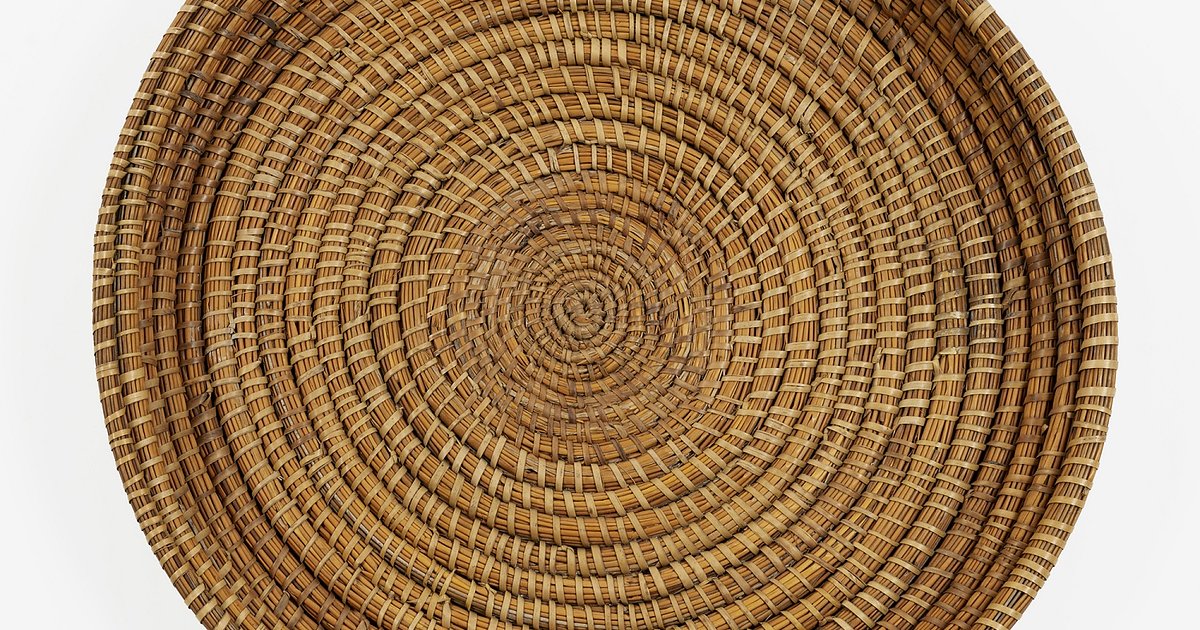
    SAVANNAH, GA – June 03, 2026 – On its surface, the announcement of an art exhibition is a familiar piece of cultural programming. Telfair Museums, the oldest public art museum in the South, will soon open “Roots in the Rushes: African American Basketry of the Lowcountry.” The exhibition, running for nearly a year starting in April 2026, promises a compelling look at the coiled basketry of the Gullah Geechee people. But to view this event as merely an artistic showcase is to miss the far more significant story of economic resilience, technological transfer, and the calculated modern business of cultural heritage.

    Key takeaways
    • Coiled baskets were a technology of survival: Gullah Geechee expertise in bulrush weaving enabled the Lowcountry rice economy.
    • Post-emancipation weavers launched roadside stand enterprises, reclaiming pricing power and turning functional baskets into prized artworks like those by Mary Jackson.
    • Coastal development endangers sweetgrass supply while inexpensive imports provoke cultural appropriation, threatening artisan livelihoods.
    • Telfair Museums and grants validate Gullah craft, monetizing heritage via Roots in the Rushes and community programs led by Queen Quet.

    This is not simply a collection of beautiful objects. It is a chronicle of an economic system forged in the crucible of slavery, adapted through generations of market-making, and now being validated by institutional capital and the global tourism industry. The intricate coils of bulrush and sweetgrass on display at the Telfair Academy represent a direct, unbroken thread from a brutal agricultural past to a complex commercial present. They are artifacts of a unique American economy, one that has operated for centuries just off the main roads of conventional commerce.

    A Technology of Survival in the Rice Kingdom

    The story of these baskets begins not as art, but as essential technology. The Gullah Geechee people, descendants of West and Central Africans enslaved on the isolated coastal plantations of the Carolinas, Georgia, and Florida, brought with them an invaluable asset: specialized knowledge. Many hailed from the rice-growing regions of West Africa, and their expertise was brutally exploited to build the Lowcountry’s immensely profitable rice empire. Central to this enterprise was the coiled basket.

    Long before they were decorative items, these vessels were sophisticated agricultural tools. The large, flat “fanner” baskets were used for winnowing—the critical process of tossing threshed rice into the air to separate the heavy grain from the lighter chaff. Their construction, from tough, locally sourced bulrush sewn with strips of oak or palmetto, had to be precise, durable, and functional. In an era before industrial machinery, these hand-woven tools were the machinery of the rice economy. The knowledge to create them was a form of intellectual property, passed down through generations not in classrooms but in slave quarters, a technology of survival that was as vital as the crop itself.

    The exhibition’s focus on this history elevates the artisans from mere laborers to technologists and engineers whose ingenuity was foundational to regional wealth. It reframes the narrative, forcing a recognition that the economic engine of the 18th and 19th-century South was powered not just by forced labor, but by the forced application of African intellect and skill.

    The Roadside Stand as a Business Model

    With emancipation, the economic function of the Gullah Geechee basket weavers underwent a radical transformation. The skills that were once essential to plantation production became a currency for economic independence. The evolution from agricultural tool to market good marks a pivotal moment in this story, culminating in a uniquely resilient business model: the roadside stand.

    In the 1930s, as automobile tourism began to trace paths through the Lowcountry, weavers like Ida Jefferson Wilson pioneered a direct-to-consumer enterprise along Highway 17. By setting up stands, artisans bypassed intermediaries and sold their increasingly decorative sweetgrass baskets directly to travelers. This was not a quaint folk tradition; it was a strategic economic pivot. It allowed weavers to control their pricing, tell their own stories, and establish a market based on authenticity and personal connection—a model that thrives to this day.

    The baskets themselves evolved. While retaining the ancient coiling technique, artisans incorporated new materials like sweetgrass and longleaf pine needles, creating more delicate and aesthetically complex forms. This shift from pure utility to art object opened a new, more lucrative market. Today, the work of a master weaver like Mary Jackson—a recipient of a MacArthur Foundation “genius grant”—can be found in the Smithsonian and the White House, commanding prices that place this craft firmly in the category of fine art. Yet, the economic engine for most remains the cash-and-carry economy of the roadside stand, a powerful symbol of self-determination.

    This economic ecosystem, however, is not without modern pressures. Weavers face challenges in sourcing their primary material, sweetgrass, as coastal development encroaches on the wild marshes where it grows. This supply chain vulnerability is a direct threat to the craft’s future. Furthermore, the market is rife with inexpensive, imported knock-offs that threaten the economic livelihood of authentic Gullah Geechee artisans, raising complex questions of cultural appropriation and intellectual property protection for a tradition that predates copyright law.

    The Institutional Ledger: Investing in Cultural Capital

    The decision by Telfair Museums to mount this year-long exhibition is a significant act of institutional validation. Backed by a $15,000 grant from the Americana Foundation and further investment by the City of Savannah, “Roots in the Rushes” is more than an acknowledgment of cultural history; it is an investment in the region’s burgeoning heritage economy.

    For an institution founded in 1886, this exhibition aligns with a broader, necessary trend in the museum world: a critical re-examination of historical narratives to include the contributions of marginalized communities. As Ahmauri Williams-Alford, the museum’s Assistant Curator of Historical Interpretation, states, “These baskets are more than just vessels; they are a testament to the ingenuity and survival of a people.” This sentiment reflects a curatorial vision that sees the objects not as static artifacts, but as evidence of a dynamic economic and cultural history.

    By lending its prestige and resources, the museum is effectively underwriting the value of Gullah Geechee basketry as a cornerstone of Savannah’s cultural identity and tourism appeal. The planned community engagement programs, including a Juneteenth Free Family Day featuring storytelling by Queen Quet, Chieftess of the Gullah Geechee Nation, are strategic initiatives designed to embed the exhibition within the community it represents and attract a diverse audience. This is how cultural capital is built and monetized in the 21st century. The exhibition serves as a powerful marketing tool for the region, signaling to the world that Savannah’s identity is deeply and authentically intertwined with the Gullah Geechee legacy, making it a more compelling destination for the discerning cultural tourist. The investment from the city and private foundations is a clear indicator that they understand this dynamic, recognizing that preserving and promoting this heritage is essential for future economic growth.

    Source link

    Share. Facebook Twitter Pinterest LinkedIn WhatsApp Reddit Tumblr Email
    Savannah Herald
    • Website

    Related Posts

    Culture June 2, 2026

    Chef who cooked for Oprah Winfrey and the Obama family is preserving Gullah Geechee culture in Georgia

    Culture June 1, 2026

    Gullah Geechee people offered chance to save family properties passed down through generations | US news

    Culture June 1, 2026

    Charleston’s Gullah Geechee Community Demand 7,000 Acres in Reparations

    Culture May 30, 2026

    Sweetgrass Festival: Art, History and the Taste of Gullah Gala

    Culture May 29, 2026

    ‘We’re requesting it back’: Descendants request transfer of 7,000+ acres of plantations for reparations 

    Culture May 28, 2026

    Reparations Push Targets Plantations Built On Slave Labor

    Comments are closed.

    Don't Miss
    Food December 12, 2025By Savannah Herald02 Mins Read

    FDA identifies new Salmonella outbreak; closes another investigation

    December 12, 2025

    Food & Beverage News: Insights, Safety, and Dining Trends The Food and Drug Administration is…

    Humanoid Robot CHILD Mimics Parent-Child Motion

    September 3, 2025

    7 Atlanta Food Preparation Courses Every Food Enthusiast Need To Attempt

    August 28, 2025

    The Best Chickpea Recipes

    May 23, 2026

    Atlanta Dogwood Festival new entry fee

    November 6, 2025
    Archives
    • June 2026
    • May 2026
    • April 2026
    • March 2026
    • February 2026
    • January 2026
    • December 2025
    • November 2025
    • October 2025
    • September 2025
    • August 2025
    • July 2025
    • June 2025
    • May 2025
    • April 2025
    • March 2025
    • February 2025
    Categories
    • Art & Literature
    • Beauty
    • Black History
    • Business
    • Climate
    • Culture
    • Education
    • Employment
    • Entertainment
    • Faith
    • Fashion
    • Food
    • Gaming
    • Georgia Politics
    • HBCUs
    • Health
    • Health Inspections
    • Investing
    • Lifestyle
    • Local
    • Lowcountry News
    • National
    • National Opinion
    • News
    • Politics
    • Real Estate
    • Senior Living
    • Sports
    • State
    • Tech
    • Transportation
    • Travel
    • World
    Savannah Herald Newsletter

    Subscribe to Updates

    A round up interesting pic’s, post and articles in the C-Port and around the world.

    About Us
    About Us

    The Savannah Herald is your trusted source for the pulse of Coastal Georgia and the Low County of South Carolina. We're committed to delivering timely news that resonates with the African American community.

    From local politics to business developments, we're here to keep you informed and engaged. Our mission is to amplify the voices and stories that matter, shining a light on our collective experiences and achievements.
    We cover:
    🏛️ Politics
    💼 Business
    🎭 Entertainment
    🏀 Sports
    🩺 Health
    💻 Technology
    Savannah Herald: Savannah's Black Voice 💪🏾

    Our Picks

    A Senior’s Guide to Safe Recovery at Home Post-Hospital Stay

    December 5, 2025

    Democrats, Let Trump and Elon Fight

    August 28, 2025

    Appropriates $14.4 Billion Funds for the Fiscal Year 2025-2026 State Budget (H 4025) – Passage Passed – Executive

    July 18, 2025

    Georgia Trend Daily – June 20, 2025

    February 28, 2026

    Kiki Shepard, ‘Showtime at the Apollo’ Co-Host, Dead At 74

    May 14, 2026
    Categories
    • Art & Literature
    • Beauty
    • Black History
    • Business
    • Climate
    • Culture
    • Education
    • Employment
    • Entertainment
    • Faith
    • Fashion
    • Food
    • Gaming
    • Georgia Politics
    • HBCUs
    • Health
    • Health Inspections
    • Investing
    • Lifestyle
    • Local
    • Lowcountry News
    • National
    • National Opinion
    • News
    • Politics
    • Real Estate
    • Senior Living
    • Sports
    • State
    • Tech
    • Transportation
    • Travel
    • World
    Copyright © 2002-2026 Savannahherald.com All Rights Reserved. A Veteran-Owned Business

    Type above and press Enter to search. Press Esc to cancel.

    Manage Consent
    To provide the best experiences, we use technologies like cookies to store and/or access device information. Consenting to these technologies will allow us to process data such as browsing behavior or unique IDs on this site. Not consenting or withdrawing consent, may adversely affect certain features and functions.
    Functional Always active
    The technical storage or access is strictly necessary for the legitimate purpose of enabling the use of a specific service explicitly requested by the subscriber or user, or for the sole purpose of carrying out the transmission of a communication over an electronic communications network.
    Preferences
    The technical storage or access is necessary for the legitimate purpose of storing preferences that are not requested by the subscriber or user.
    Statistics
    The technical storage or access that is used exclusively for statistical purposes. The technical storage or access that is used exclusively for anonymous statistical purposes. Without a subpoena, voluntary compliance on the part of your Internet Service Provider, or additional records from a third party, information stored or retrieved for this purpose alone cannot usually be used to identify you.
    Marketing
    The technical storage or access is required to create user profiles to send advertising, or to track the user on a website or across several websites for similar marketing purposes.
    • Manage options
    • Manage services
    • Manage {vendor_count} vendors
    • Read more about these purposes
    View preferences
    • {title}
    • {title}
    • {title}
    Ad Blocker Enabled!
    Ad Blocker Enabled!
    Our website is made possible by displaying online advertisements to our visitors. Please support us by disabling your Ad Blocker.

    Sign In or Register

    Welcome Back!

    Login below or Register Now.

    Lost password?

    Register Now!

    Already registered? Login.

    A password will be e-mailed to you.