




Glow & Grow: Black Beauty, Haircare, and Skincare Tips
- Misinformation and influencer-driven trends flooded the market, mixing opinion with fact and exploiting vulnerable consumers for profit.
- Industry capitalism prioritized early entrants and marketing over quality, sidelining truly effective textured-hair solutions.
- Representation gaps favored loose curls, leaving tighter coily textures underrepresented and underserved.
- There’s a huge shortage of educated, qualified stylists for textured hair, driving consumers back to damaging alternatives.
- Real change requires global, standardized education for professionals and renewed consumer focus on long-term health and purpose.

The Rise and Fall of the Natural Hair Movement – and Where We Go From Here
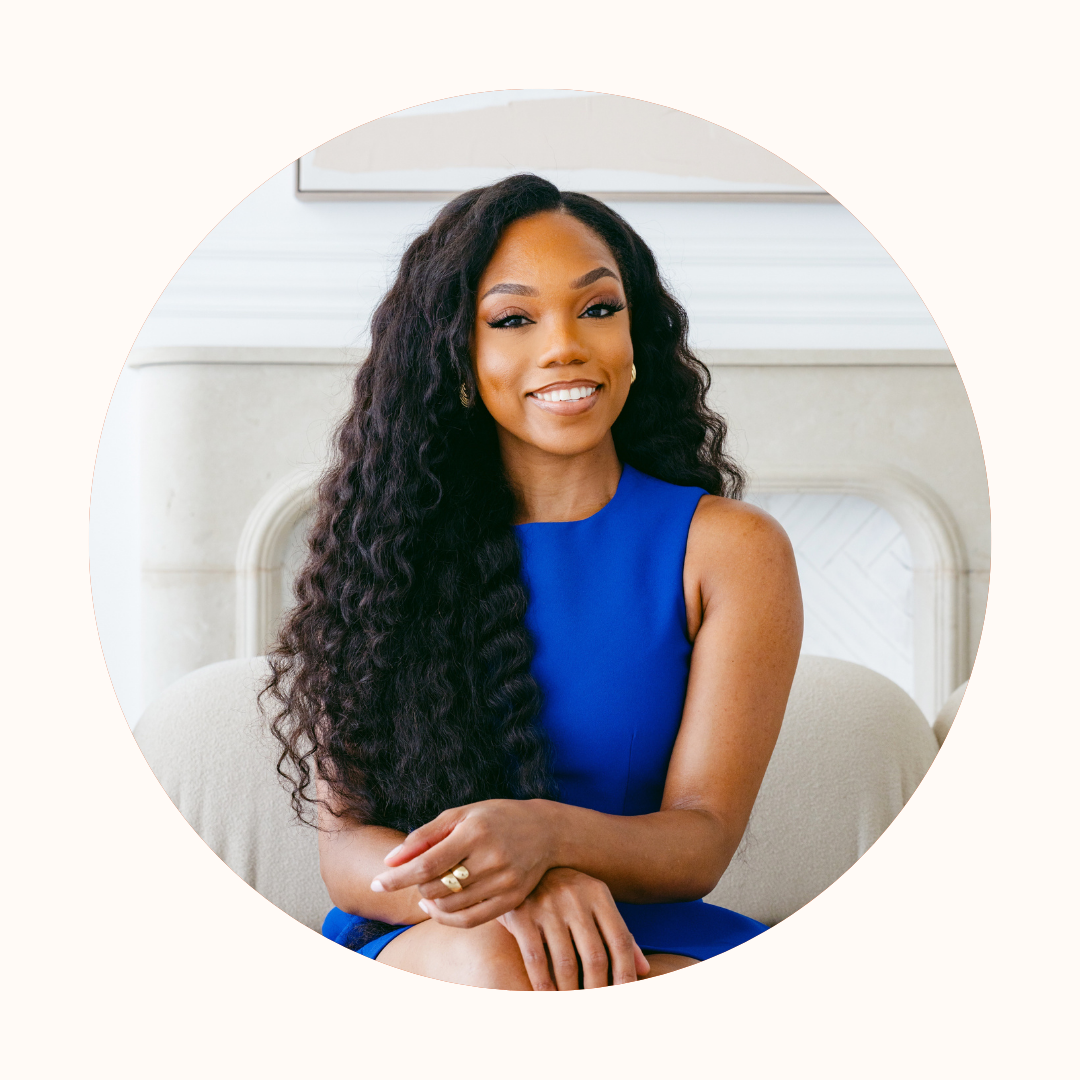
By Britany Michelle for CurlyNikki.com
There is a shift happening, specifically in the textured-hair-care sector of the beauty industry. What once began as an enthusiastic embracing of one’s natural hair, and a dismantling of Eurocentric beauty standards; has now regressed into a less than ideal circumstance.
The dynamic is clear. As a consumer, you’ve either figured it out (or got some help), and gained great results; or you’ve slipped through the cracks of a faulty system where standards are lacking and greed thrives – leaving those who haven’t yet made it successfully to the promised land of an accomplished natural-hair-journey, stranded in limbo without results.
The ratio of qualified, professional stylists who are thoroughly educated on textured hair, to the everyday consumer desperately needing expert support, is wildly disproportionate. With this, we see a growing increase in relaxer sales, and an overall consumer base seemingly losing interest, hope and confidence in what was once an original, unified mission.
So, what exactly is happening now? Has the pendulum begun to swing back to what’s unfortunately familiar? Have we quietly abandoned the original mission? What has happened to the powerful and progressive influence of the natural hair movement – and will there ever be a complete dismantling of the need to conform?
To answer this, we’ll first need to unpack what has really taken place over the years, what is shifting right now, and what MUST take place in order to see real, permanent change. Otherwise, we risk staying stuck, and history repeating itself.
Let’s begin.
A Brief History and Timeline
The Online Spark
2009: Small online communities of women began to form with one shared purpose: growing long, healthy hair. There were relaxed and natural hair blog communities – all dedicated to the mission of sharing with each other what was working, photos of progress, length checks, diy recipes, hair growth concoctions, and a shared camaraderie of the ups and downs of the journey to healthy hair. It was a wholesome time.
2010-2012: Social media buzz. YouTube naturals emerged. Word was spreading. Natural hair online communities, as well as interest and shared info were getting larger. Natural ingredient recipes were shared and small businesses offering products and or services pertaining to the movement, were brewing or being birthed.
Industry Awareness
2013-2014: Variety in product + information for textured hair care was still emerging and fairly new. Big Chops were happening, and more folks were transitioning to natural hair. Some older, more established brands + companies were beginning to catch on, but many hadn’t yet. New brands were gaining buzz. More folks were hearing about + feeling the movement. Word was spreading.
Industry Boom
2015-2016: The Natural Hair Movement was now on full display. Conventions, panel discussions, conferences and meetups were happening everywhere. More natural hair products and brands were hitting the shelves. Representation began flooding the media: magazines, red carpets, television and film. Youtube creators in the space were gaining traction and increasing in popularity.
The Problem:
Influencers who were trying to learn and understand their own hair were also inadvertently influencing the direction of the consumer market. The market was flooded with opinion deemed as fact, and viral misinformation. There was a massive mixing of real education for textured hair care, with social media-driven misinformation and quick-to-market product lines. We witnessed an intense money, influence + power grab during a time when folks legitimately needed answers, guidance and inspiration. While many were finding their way, seeing results and figuring it out – many others were still lost.
Still, the Natural Hair Movement was (and in many ways, still is) BIG BUSINESS, generating massive sales. In 2017, The Los Angeles Times cited the following data from Mintel, a data research firm:
“Black consumers spent an estimated $2.56 billion on hair care products in 2016, with the natural hair segment driving a significant portion of that expenditure.”
The problem at hand? While consumers were looking for real answers and solutions, the industry intensely capitalized on consumer vulnerability. While many new brands emerged with real solutions, a vast majority drove massive sales by using community pain points and popular buzz words in their marketing for a slice of the pie.
Phrases created organically within online communities- Big Chop, TWA, Twist-Out, Wash and Go-started showing up on product labels and packaging. DIY staple ingredients like shea butter, coconut oil, and aloe vera began appearing in product formulations and were strategically highlighted in advertising, fueling global sales.
Many brands with high-performance products and quality ingredients did emerge from this era, with values fortunately aligned with consumer needs. At the same time, however, many product companies that entered the market early became household names not because they were the best, but simply because they were first. Early recognition and placement cemented their status—quality aside.
Era of Realization
2017: Consumer realization began to take place. Folks were realizing, and speaking up about, the clear divide in industry marketing, which leaned heavily toward a particular curl type. “Loose curls vs. tight coils.” The reality? Loose-curly naturals appeared more in advertisements, brand partnerships, and major campaigns.
While texture and racial ambiguity in marketing allowed companies to appeal to a “wider audience,” this era left many tight curly/coily naturals feeling unseen and underrepresented—leading to what many described as texturism or texture discrimination.
As both an industry professional and cast talent, I witnessed this firsthand. On major commercial sets, including some specifically promoting curly hair products, I saw a glaring lack of textured hair education among stylists. I often had to style my own natural hair as a featured extra in television commercials, while other extras received on-set hair styling. On the flip side, as a professional, I served as the lead hair and makeup artist for a Disney+ original series (on a host with textured hair) and witnessed firsthand the powerful impact proper skill + knowledge with textured hair makes on screen.
With ongoing online discourse, especially across social media, some companies did begin to take notice and become more intentional about including deeper skin tones and tighter/coilier hair types in their marketing. However, the gap was still apparent.
This era left many consumers with limited options:
● Figure it out yourself or book a hard-to-find professional,
● Rely on wigs, weaves, or braid extensions, or
● Give up entirely and return to what was toxically familiar, chemical straighteners.
Protective Style Surge + Industry Professionalism
2018-2025: With years spent in the natural hair movement, as a natural, industry professional and business owner—I’ve noticed a clear underlying emotion: people just want results.
While many have successfully found their way, achieving excellent results either on their own or with the help of skilled stylists, many have turned to alternatives instead of fully embracing their natural hair. Straight naturals are recovering from heat damage; synthetic braiding hair has been linked to cancer; and chronic use of wigs, weaves, and extensions has left many bald or experiencing severe breakage.
This, as well as the many viral incidents shared online of clients experiencing significant damage at the hands of licensed professionals, further solidify several needs in the industry left unfulfilled.
The Bottom Line + Solution
Clients + Consumers:
Tap back into your why. Why did you decide to go natural in the first place? Are you thriving or hiding? (Wigs, weaves, and other alternatives can sometimes distract from your original mission, leading to giving up, losing hope, or returning to damaging practices.)
If your original reason was rooted in embracing how God made you, this is your sign to tap back into His will for your life and temple – naturally healthy hair included.
Stick to the plan. Identify exactly what you need to finally see the promise fulfilled: healthier hair, the knowledge to care for it properly, and the confidence to wear it proudly. Then decide not to fall off track.
Professionals:
This is the moment when the real professionals will be recognized, and separated from the rest. Clients don’t want to have to figure everything out at home, but they also want to invest in businesses and professionals they can trust. Frankly folks are over it, and you’ll have to step it up. You’ll want to sharpen your skills and get quality mentorship or risk getting left behind. Professionals: Join Britany Michelle’s mentorship program or book a consultation here.
Industry as a Whole:
Real change will need to take place at the educational level. Capitalism within the industry surged at the height of the movement, and took over at a time when folks were vulnerable seeking answers and results, but this time, it can’t just be about products.
The truth is: Licensed professionals will need to take the lead with knowledge and education on one accord globally. THIS is what will completely change everything, and build global confidence in salons for texture, everywhere, from Australia to Nebraska, Canada and Tokyo.
We’ve got some work to do. And decisions to make to avoid repeating the same cycles.
What are your thoughts? Are you feeling the shift too? Where do you stand?
Connect With Britany Michelle:
Book Britany for Speaking: Britany Michelle is a passionate speaker educated on the topic, with over a decade of industry experience. Email: britany@britanymichelle.co
Britany Michelle On the Web : www.britanymichelle.co
Read the full article from the original source
