


Close Menu
Savannah HeraldSavannah Herald
    • Home
    • News
      • Local
      • State
      • National
      • World
      • HBCUs
    • Events
    • Directories
    • Weather
    • Traffic
    • Jobs
    • Sports
    • Politics
    • Lifestyle
      • Faith
      • Senior Living
      • Health
      • Travel
      • Beauty
      • Fashion
      • Food
      • Art & Literature
    • Business
      • Real Estate
      • Entertainment
      • Investing
      • Education
    • Guides
      • SSU Homecoming Guide
      • Back to School Savannah
      • Summer Camp Guide
      • Juneteenth Guide
      • Black History Savannah
      • MLK Guide Savannah
    We're Social
    • Twitter
    • Facebook
    • YouTube

    Subscribe to Updates

    Get the latest creative news from FooBar about art, design and business.

    Trending
    • 4 Top We Buy Houses for Cash Companies in Pueblo
    • Highlights from the November 2026 Board Meeting
    • Jon Ossoff Wins Reelection to U.S. Senate, Defeating Republican Mike Collins in Georgia | Savannah Herald
    • Keisha Lance Bottoms Makes History as Georgia Elects Its First Black Woman Governor | Savannah Herald
    • Mike Johnson won’t seek reelection as Republican leader: AP source
    • Savannah City Council Adopts Floodplain Management Plans | Savannah Herald
    • Keisha Lance Bottoms on Being the Daughter of Major Lance
    • KEISHA LANCE BOTTOMS’ DAUGHTER INTRODUCES HER MOM AFTER HISTORIC GEORGIA WIN
    Facebook X (Twitter) Instagram YouTube
    Login
    Savannah HeraldSavannah Herald
    Savannah HeraldSavannah Herald
    Home » Who Gets to Be Called “Professional”? Student Loan Policy and the Future of Black Women in Nursing
    Health

    Who Gets to Be Called “Professional”? Student Loan Policy and the Future of Black Women in Nursing

    Savannah HeraldBy Savannah HeraldMarch 2, 20265 Mins Read
    Facebook Twitter Pinterest LinkedIn WhatsApp Reddit Tumblr Email
    MSK Blog
    Share
    Facebook Twitter LinkedIn Pinterest Email

    Wellness That Matters: Black Health News & Community Care

    Key takeaways
    • Federal proposal could redefine “professional” degrees, potentially cutting federal loan support for advanced nursing programs.
    • Reducing loan access would limit Black women’s social mobility and worsen the devaluation of feminized, caregiving labor.
    • Policy-driven barriers threaten workforce diversity, leadership pipelines, and healthcare access in underserved communities.
    • Public comment period is urgent: stakeholders must oppose narrowing loan eligibility to protect Black women’s future in nursing.

    A recent federal proposal would limit student loan borrowing for certain advanced degrees, including nursing, by redefining which programs qualify as “professional” degrees. If finalized, the change could significantly reduce access to federal loan support for students pursuing advanced nursing credentials.

    At first glance, this may sound like a technical budget adjustment. In reality, it is a workforce policy. It is an equity policy. And it is a Black women’s health policy.

    Black women are overrepresented in nursing and other health service professions. These careers are not simply jobs. They are pillars of our health system and lifelines in our communities. Limiting loan access for these degrees would not only affect individual students. It would shape who enters the health workforce for decades.

    The Student Perspective: This Is Not Theoretical

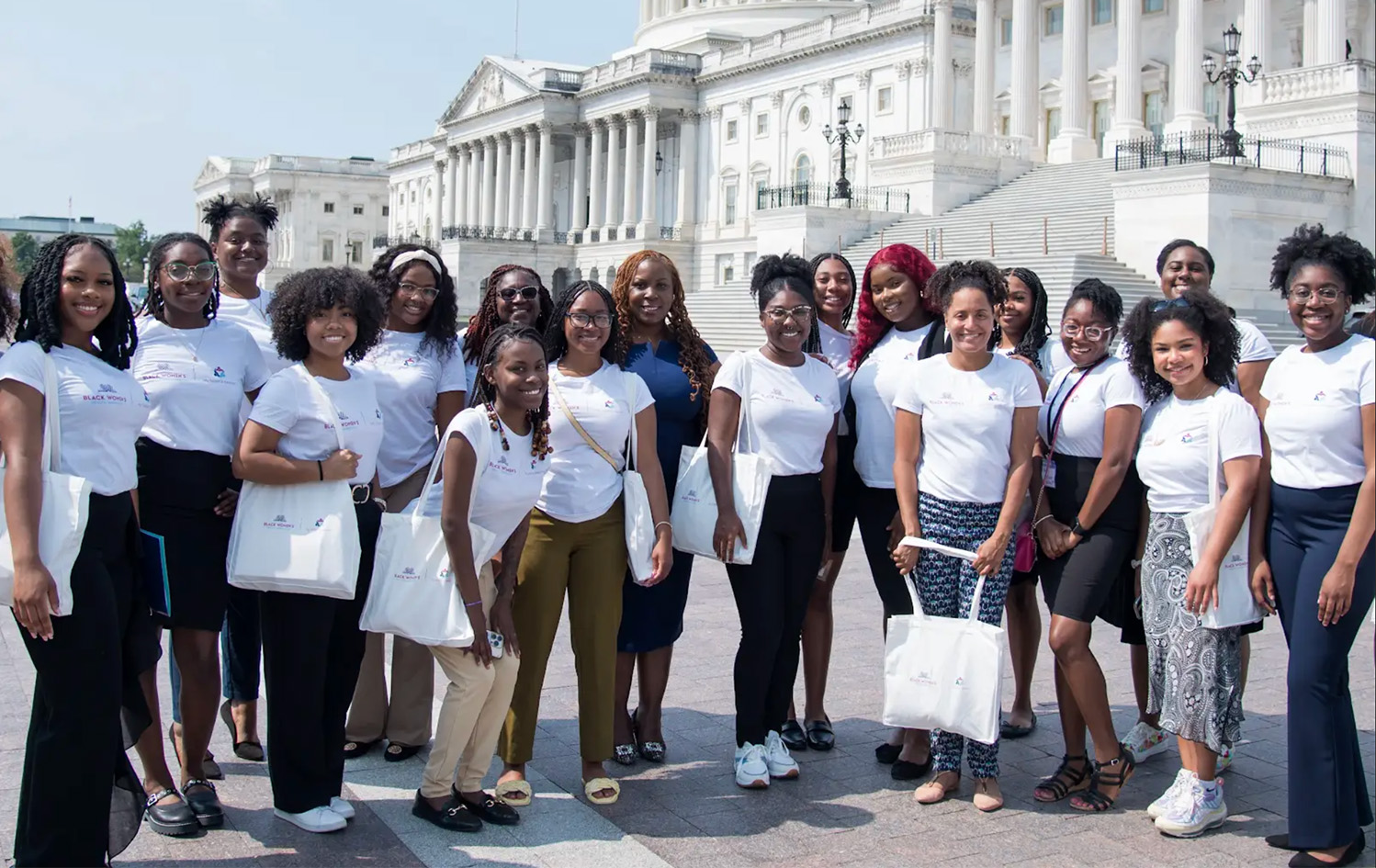
    Students from our My Sister’s Keeper chapters across the country are watching this closely.

    Breanna Irving, a Howard University student in the Class of 2028, puts it plainly:

    “Not only is this an attack on my financial stability, it feels like a deliberate attack on Black women’s social mobility and professional respect. Nursing has never been a highly glorified field, and nurses already face frequent disrespect from the very patients we care for. Using policy to further institutionalize this marginalization is a misuse of power and yet another indication that the United States does not truly value one of its most essential workforces.”

    Her words underscore a deeper concern. When nursing is treated as less than “professional” in policy language, it reinforces long standing patterns of devaluing feminized and caregiving labor.

    Samantha Wigginton, a nursing student at an HBCU, frames it through both history and aspiration:

    “As a Black woman at an HBCU pursuing nursing, federal aid isn’t extra support for me, it’s what makes my education, and my ability to serve others, possible at all. Nursing is the backbone of healthcare and essential to how our society functions. We were called heroes during COVID, yet now careers built on years of sacrifice, sleepless nights, and saving strangers like family are being treated as less ‘professional.’ If Superman needed a degree, he’d probably be told he wasn’t ‘professional’ either.”

    Her statement reflects a contradiction many in the field recognize. During the height of the pandemic, nurses were praised as heroes. Now, federal definitions may quietly undermine the very pathway that makes entering the profession possible.

    London Johnson, trained in health education and entering public health, highlights the broader pipeline:

    “As someone trained in health education and entering public health, I see education as the pipeline to healthier communities. Limiting loan support for degrees tied to service professions sends the message that these careers are less valued, even though society depends on them. The result won’t just be fewer students but will be fewer nurses, educators, and advocates in the communities that need them most. I’m hopeful we choose to invest in the people who choose to care for others.”
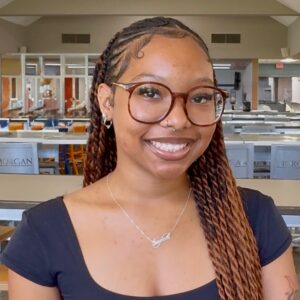
    And Imani Hill speaks directly to representation:

    “This proposed change is concerning because federal loans make it a possibility for many of us to pursue demanding healthcare degrees. If nursing is no longer considered as a professional degree and loan limits are reduced, it could create serious financial barriers that discourage Black students from entering essential fields like nursing. At a time when there is a shortage of diversity in healthcare positions, the decision can limit opportunities for students like me who are working towards improving representation and serving my community.”

    These are not isolated concerns. They are signals.

    Why This Matters for Health Equity

    Black women carry disproportionate student loan debt. We are also more likely to serve in caregiving and frontline health roles. Policies that cap borrowing for advanced degrees in nursing and related professions may:

    • Reduce entry into advanced practice roles
    • Limit leadership pipelines in healthcare
    • Slow progress toward workforce diversity
    • Exacerbate provider shortages in underserved communities

    This directly intersects with BWHI’s policy pillar on Workforce Equity and Health Access. A diverse, well supported healthcare workforce is not optional. It is foundational to improving maternal health outcomes, chronic disease management, and community trust.

    If fewer Black women can afford to pursue advanced nursing degrees, communities that already experience provider shortages may see those gaps widen.

    The Larger Question

    This debate is ultimately about more than loan limits. It is about how we define professional value. Who gets institutional recognition. Whose labor is treated as specialized and worthy of investment.

    If policy reclassifies nursing in ways that restrict financial access, it sends a powerful signal about whose expertise counts.

    We believe federal policy should expand pathways into essential health professions, not narrow them. The future of Black women’s health depends on it.

    Our My Sister’s Keeper students are preparing to lead in healthcare, public health, and education. The question before policymakers is simple: will we invest in them, or will we place new barriers in their path?

    Call To Action — Public Comment Period

    Right now, the U.S. Department of Education has published a proposed rule that would implement major changes to federal student loan programs, including the definition of which degrees qualify for higher loan limits. This public comment period is your chance to make your voice heard directly with policymakers before the rule is finalized.

    Public comment is open through March 2, 2026.
    You can submit your comments online via the Federal eRulemaking Portal at https://www.regulations.gov by searching for Docket ID: ED–2026–OPE–0001 under “Reimagining and Improving Student Education.”

    Students, alumni, healthcare professionals, educators, and communities disproportionately affected by these changes — now is the time to tell your story and explain why access to federal student loan support for nursing and other essential health degrees matters.

    Read the full article on the original site


    Related Posts

    • DJ Screw’s Sound Shaped Hip-Hop. Now, His Music Is Heading To DSPs
    • ADP tracker now shows economy may have lost jobs in October
    • Kwanzaa Begins – Castle Senior Living at Forest Hills
    • Easy Antipasto Skewers – Big Delicious Life
    • Wales great George North to retire from rugby at end of season, 16 years after making international debut | Rugby Union News
    • A review of The Ballad of Falling Rock by Jordan Dotson – Compulsive Reader
    • See All 70+ Looks By Black Developers At The Met Gala 2025 
    • Two jailed in meat diversion case
    Black Health News Black Healthcare Access Black Mental Health Black Wellness Chronic Illness in Black Communities Community Health Updates Fitness and Nutrition News Georgia Health News Health and Healing Health and Wellness for Black Men Health Disparities Health Equity Healthcare Policy Local Health Headlines Mental Health in Black Communities Mental Wellness Public Health in the South Savannah Health Resources Therapy for Black Women Wellness for Women of Color
    Share. Facebook Twitter Pinterest LinkedIn WhatsApp Reddit Tumblr Email
    Savannah Herald
    • Website

    Related Posts

    Health November 3, 2026

    U.S. Women Have Little Access To Cheaper Cancer Treatment

    Health November 3, 2026

    Genetic Risk Isn’t Destiny for Black Americans. It’s a Target.

    Health November 2, 2026

    Black Men and Prostate Cancer: Start Screening Earlier

    Health October 28, 2026

    How to Deal With Scanxiety as a Breast Cancer Patient

    Health October 28, 2026

    Shopping for an ACA Plan This Year? Here’s What You Need To Know

    Health October 23, 2026

    Exercise and Breast Cancer: How Staying Active Can Make a Difference | Savannah Herald

    Comments are closed.

    Don't Miss
    Senior Living November 3, 2025By Savannah Herald04 Mins Read

    What Does a Day with an In‑Home Caretaker Actually Appear Like?

    November 3, 2025

    Aging Well: Information & Insights for Elder People and Caretakers For great deals of seniors…

    The Mental Disorders Credited Slaves

    November 16, 2025

    We Get Residences Portsmouth, VA: Top 4 Business

    February 28, 2026

    Tyler Perry Sued For Alleged Sexual Assault And Battery 

    August 28, 2025

    Ready, Set, Game! A Recap of the Sagora Senior Games

    October 23, 2026
    Archives
    • November 2026
    • October 2026
    • September 2026
    • August 2026
    • July 2026
    • June 2026
    • May 2026
    • April 2026
    • March 2026
    • February 2026
    • January 2026
    • December 2025
    • November 2025
    • October 2025
    • September 2025
    • August 2025
    • July 2025
    • June 2025
    • May 2025
    • April 2025
    • March 2025
    • February 2025
    Categories
    • Art & Literature
    • Beauty
    • Black History
    • Business
    • Climate
    • Culture
    • Education
    • Employment
    • Entertainment
    • Faith
    • Fashion
    • Food
    • Gaming
    • Georgia Politics
    • Guides
    • HBCUs
    • Health
    • Health Inspections
    • Investing
    • Lifestyle
    • Local
    • Lowcountry News
    • National
    • National Opinion
    • News
    • Politics
    • Real Estate
    • Senior Living
    • Sports
    • State
    • Tech
    • Traffic
    • Transportation
    • Travel
    • Weather
    • World
    Savannah Herald Newsletter

    Subscribe to Updates

    A round up interesting pic’s, post and articles in the C-Port and around the world.

    About Us
    About Us

    The Savannah Herald is your trusted source for the pulse of Coastal Georgia and the Low County of South Carolina. We're committed to delivering timely news that resonates with the African American community.

    From local politics to business developments, we're here to keep you informed and engaged. Our mission is to amplify the voices and stories that matter, shining a light on our collective experiences and achievements.
    We cover:
    🏛️ Politics
    💼 Business
    🎭 Entertainment
    🏀 Sports
    🩺 Health
    💻 Technology
    Savannah Herald: Savannah's Black Voice 💪🏾

    Our Picks

    Ghost Tours In Savannah – Savannah, GA

    October 4, 2026

    Bouyon Music, Red Fits, And Sunrise Vibes: Inside Dominica’s Breakfast Fete

    June 24, 2026

    Bat Tests Positive for Rabies in Bloomingdale Area

    August 7, 2026

    How To Visit The Georgia Filming Locations From ‘Cape Fear’

    July 15, 2026

    Is It Worth Wearing a Weighted Vest While Walking?

    September 3, 2025
    Categories
    • Art & Literature
    • Beauty
    • Black History
    • Business
    • Climate
    • Culture
    • Education
    • Employment
    • Entertainment
    • Faith
    • Fashion
    • Food
    • Gaming
    • Georgia Politics
    • Guides
    • HBCUs
    • Health
    • Health Inspections
    • Investing
    • Lifestyle
    • Local
    • Lowcountry News
    • National
    • National Opinion
    • News
    • Politics
    • Real Estate
    • Senior Living
    • Sports
    • State
    • Tech
    • Traffic
    • Transportation
    • Travel
    • Weather
    • World
    Copyright © 2002-2026 Savannahherald.com All Rights Reserved. A Veteran-Owned Business

    Type above and press Enter to search. Press Esc to cancel.

    Manage Consent
    To provide the best experiences, we use technologies like cookies to store and/or access device information. Consenting to these technologies will allow us to process data such as browsing behavior or unique IDs on this site. Not consenting or withdrawing consent, may adversely affect certain features and functions.
    Functional Always active
    The technical storage or access is strictly necessary for the legitimate purpose of enabling the use of a specific service explicitly requested by the subscriber or user, or for the sole purpose of carrying out the transmission of a communication over an electronic communications network.
    Preferences
    The technical storage or access is necessary for the legitimate purpose of storing preferences that are not requested by the subscriber or user.
    Statistics
    The technical storage or access that is used exclusively for statistical purposes. The technical storage or access that is used exclusively for anonymous statistical purposes. Without a subpoena, voluntary compliance on the part of your Internet Service Provider, or additional records from a third party, information stored or retrieved for this purpose alone cannot usually be used to identify you.
    Marketing
    The technical storage or access is required to create user profiles to send advertising, or to track the user on a website or across several websites for similar marketing purposes.
    • Manage options
    • Manage services
    • Manage {vendor_count} vendors
    • Read more about these purposes
    View preferences
    • {title}
    • {title}
    • {title}
    Ad Blocker Enabled!
    Ad Blocker Enabled!
    Our website is made possible by displaying online advertisements to our visitors. Please support us by disabling your Ad Blocker.

    Sign In or Register

    Welcome Back!

    Login to your account below.

    Lost password?